If you love hiking solo, a good tent is your home on the trail. The best 1-person backpacking tents are light, easy to set up, and keep you safe from rain or wind. You don’t need a huge space—just enough to sleep and store your gear. This guide picks the top options that balance weight, cost, and comfort for your next adventure alone.
1. Camppal 1 Person Tent

- Water Resistance: 3500–4000mm waterproof rating with seam-taped zippers and corners
- Weight: 3.75 lbs with a single aluminium ridge pole construction
- Inner Tent Size: L8.2ft x W2.95ft x H2.95ft
- Setup Time: 3-minute pitch with beginner-friendly design; fire retardant CPAI-84 standard
The Camppal 1 Person Tent is a solid entry-level option for solo backpackers who need reliable weather protection without breaking the bank. Its 3500–4000mm waterproof rating, combined with seam-taped zippers and PVC velcro wraps, delivers impressive rain resistance for its price point. The single ridge pole design keeps the structure light and intuitive to assemble, even for first-timers.
At just 3.75 lbs, it’s genuinely portable, and the extended 8.2ft length accommodates taller campers while leaving room for gear. The oversized carry bag makes repacking stress-free. Backed by a 30-day money-back guarantee and lifetime limited warranty, it’s a low-risk purchase for casual campers and weekend hikers.
- Pros:
- Excellent waterproofing for the price
- Very fast 3-minute setup
- Extended length suits taller users
- Lifetime warranty included
- Cons:
- Single ridge pole limits headroom
- No footprint included
2. REI Co-op Trailmade 1

- Trail Weight: 3 lbs 11 oz minimum; packed size 7 x 18 inches
- Floor Area: 22 sq ft floor with 9.5 sq ft vestibule and 40-inch peak height
- Pole Material: 8.5mm diameter aluminum poles; freestanding 2-pole design
- Fabrics: 75D polyester taffeta canopy and floor with polyurethane-coated rainfly; footprint included
The REI Co-op Trailmade 1 is an excellent all-rounder for beginner and intermediate backpackers. Its freestanding two-pole aluminum design pitches quickly and holds its shape well on uneven terrain. The 22 sq ft floor paired with a 9.5 sq ft vestibule gives you more usable space than many competitors in this weight class, and the 40-inch peak height keeps things comfortable inside.
The 75-denier polyester construction with polyurethane coating on both the floor and rainfly offers dependable 3-season weather protection. The inclusion of a matching footprint is a genuine value-add that extends the tent’s lifespan considerably. For those stepping into backpacking, the Trailmade 1 offers REI’s quality assurance at a competitive price.
- Pros:
- Footprint included out of the box
- Generous vestibule and floor area
- Trusted REI build quality
- Freestanding for versatile pitching
- Cons:
- Packaged weight of 5 lbs 4 oz is heavier than ultralight options
- Single door limits entry options
3. Night Cat Backpacking Tent

- Waterproofing: 190T polyester with 150D Oxford floor rated PU3000mm
- Interior Dimensions: 6.8ft x 3.9ft x 3.6ft with pre-bent pole for maximized space
- Weight: 5 lbs; packed size 17″ x 5.5″ x 5.5″
- Ventilation: Extra B4 mesh panels on door and side windows for airflow
The Night Cat Backpacking Tent stands out for its spacious interior, made possible by a pre-bent pole design that pushes the walls outward and increases usable floor area versus traditional dome tents. At 6.8ft x 3.9ft, taller campers can sit upright and move comfortably — a real advantage on multi-night trips where living space matters. The mesh door and window panels keep air circulating on warm nights.
With PU3000mm waterproofing and metal stakes and guylines for wind resistance, it handles typical 3-season conditions reliably. The simple sleeve-and-clip pole system makes setup fast, even for beginners. However, at 5 lbs, it’s slightly heavier than comparable options, so ultralight-focused backpackers may want to look elsewhere.
- Pros:
- Exceptionally spacious interior for a 1-person tent
- Good ventilation with B4 mesh panels
- Easy pole sleeve setup system
- Solid wind resistance with guylines
- Cons:
- Heavier than most ultralight alternatives
- No footprint included
See the Night Cat Backpacking Tent
4. Kelty Discovery 1

- Weight: 3 lbs 6 oz minimum trail weight; 19 sq ft floor space
- Peak Height: 40 inches with lightweight aluminum press-fit poles
- Weather Protection: Taped seams, waterproof fly, and fly vent to reduce condensation
- Eco Construction: DWR/PFC-free fabrics and coatings; pre-attached guylines
The Kelty Discovery 1 brings genuine backpacking capability at an approachable price. Kelty’s Quick Corners and press-fit aluminum poles make setup smooth and intuitive, while pre-attached guylines eliminate the fiddly lacing process that frustrates beginners. The single door and vestibule layout is clean and functional, giving you covered gear storage without unnecessary complexity.
Weighing just 3 lbs 6 oz, it’s competitive in its class, and the environmentally responsible DWR/PFC-free construction is a meaningful step forward. As one of The Conservation Alliance’s founding members, Kelty backs this up beyond marketing. The shark-mouth stuff sack is a practical touch that actually fits the tent back in without a wrestling match.
- Pros:
- Lightweight at 3 lbs 6 oz
- Eco-friendly PFC-free materials
- Intuitive Quick Corners setup
- Pre-attached guylines save time
- Cons:
- Single door may feel limiting
- No footprint included
5. Naturehike Cloud Up 1

- Weight: 3.57 lbs; packed size 15.3″ x 5.1″ x 5.1″
- Waterproofing: 20D nylon with silicone coating rated PU4000mm+
- Pole Material: 7075 aluminum alloy for superior strength-to-weight ratio
- Included Accessories: Footprint, carry bag, poles, wind ropes, and stakes
The Naturehike Cloud Up 1 is one of the most refined ultralight tents in its price bracket. The 20D nylon silicone coating with a PU4000mm+ waterproof rating puts it well ahead of most competitors, and the 7075 aluminum alloy poles — the same grade used in premium gear — offer outstanding rigidity without adding weight. At 3.57 lbs with a packed size that slips into any backpack, it’s genuinely trail-ready.
The ventilation window above the front door is a thoughtful upgrade that actively reduces condensation, and the high-density B3 mesh inner keeps airflow comfortable. The rain fly also functions as a standalone sun shelter, adding versatility. With a footprint and full accessories included, this tent delivers exceptional value for solo backpackers and cyclists alike.
- Pros:
- Premium PU4000mm+ waterproofing
- 7075 alloy poles for top-tier durability
- Footprint and full accessories included
- Ventilation window reduces condensation
- Cons:
- 20D nylon requires careful handling to avoid punctures
- Higher price point than budget options
6. ALPS Mountaineering Lynx 1

- Weight: 4 lbs 1 oz; freestanding two-pole aluminum construction
- Weather Protection: Rainfly with 1500mm coating; 2000mm poly taffeta floor
- Ventilation: Half-mesh walls for high airflow and condensation reduction
- Storage: Vestibule plus interior mesh pockets and gear loft
The ALPS Mountaineering Lynx 1 is a well-rounded 3-season tent that balances durability and livability at a fair price. The freestanding two-pole aluminum design pitches easily and stays stable in moderate winds, while the factory-sealed rainfly and 2000mm coated floor provide solid protection against rain. Half-mesh walls are a standout feature, dramatically improving airflow and keeping the interior fresh during warmer months.
Internal organization is a strength here — mesh pockets and a gear loft keep essentials accessible without cluttering the sleeping area, and the vestibule adds secure outside storage. At just over 4 lbs, it’s not the lightest option available, but the thoughtful layout and robust construction make it a reliable choice for backpackers who prioritize comfort and organization alongside performance.
- Pros:
- Excellent ventilation with half-mesh walls
- Gear loft and pockets for great organization
- Factory-sealed seams for reliable waterproofing
- Freestanding for flexible pitching
- Cons:
- At 4 lbs 1 oz, heavier than ultralight competitors
- No footprint included
See the ALPS Mountaineering Lynx 1
7. Underwood Aggregator 1

- Weight: 4.2 lbs; packed size 15.0″ x 5.1″ x 5.1″
- Waterproofing: Rainfly with PU5000mm coating; reinforced seams throughout
- Setup: Freestanding two-aluminum-pole design with D-shaped door
- Included Accessories: Inner tent, rain fly, 2 aluminum poles, 12 stakes, 4 ropes, and carry bag
The Underwood Aggregator 1 punches above its weight with a PU5000mm rainfly coating — among the highest waterproof ratings in this category — making it a compelling option for campers who frequently face heavy rain. The reinforced seams and two-pole aluminum structure add further resilience in challenging weather, while the D-shaped door design improves ease of entry and exit noticeably over standard designs.
At 4.2 lbs and packing down to a compact 15″ x 5.1″ x 5.1″, it’s portable enough for backpacking without being overly heavy. The breathable mesh inner and rear ventilation openings keep condensation manageable in warm or humid conditions. With 12 stakes and 4 ropes included, you’re well-equipped straight out of the box for a range of terrain types.
- Pros:
- Class-leading PU5000mm waterproofing
- Complete accessory kit included
- D-shaped door for easy access
- Good mesh ventilation system
- Cons:
- Brand lacks the track record of established names
- Slightly heavier than ultralight alternatives
See the Underwood Aggregator 1
8. Clostnature Lightweight Tent
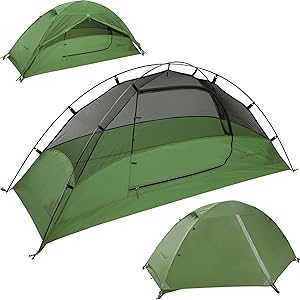
- Weight: 2.97 lbs minimum trail weight; total 4 lbs; packed size 15″ x 5.1″ x 5.1″
- Waterproofing: Polyester rain fly and bathtub floor with PU5000mm coating; factory-sealed seams
- Interior Dimensions: 7’3″ x 2’8″ x 3ft with D-shaped door and large side vestibule
- Included Accessories: Fly, inner tent, 2 aluminum poles, 14 aluminum stakes, 4 ropes, pole repair kit
The Clostnature Lightweight Tent earns its name with a minimum trail weight of just 2.97 lbs — impressively lean for a fully featured 3-season shelter. The PU5000mm-coated polyester rain fly and bathtub floor with factory-sealed seams deliver weather protection that rivals tents at twice the price. Interior mesh walls maximize airflow while reinforced poles and adjustable guylines keep the structure stable in gusty conditions.
The side vestibule is generously sized for gear storage and features a windproof design that shields your backpack and shoes effectively. The D-shaped door allows easy entry, and the inclusion of 14 aluminum stakes and a pole emergency repair kit shows real attention to trail readiness. For solo backpackers seeking a solid balance of weight, durability, and protection, this tent is a strong contender.
- Pros:
- Exceptional 2.97 lbs minimum trail weight
- PU5000mm waterproofing with sealed seams
- Pole repair kit included for emergencies
- Large windproof vestibule for gear storage
- Cons:
- Interior width of 2’8″ is narrow for restless sleepers
- No footprint included
See the Clostnature Lightweight Tent
9. ShinHye Backpacking Tent

- Weight: 3.9 lbs; compact fold for easy transport and carry
- Construction: High-quality rainproof materials with metal stakes, cables, and fiber poles
- Design: D-shaped door with breathable mesh ventilation holes
- Capacity: 1-person, 3-season with single door; vestibule space for shoe storage
The ShinHye Backpacking Tent offers a clean, practical design suited to solo hikers who want a dependable 3-season shelter without overthinking the spec sheet. At 3.9 lbs, it sits in a sensible weight range for backpacking, and the fiber poles paired with metal stakes and cables provide a stable pitch in windy conditions. The pre-entry vestibule space for shoe storage is a small but appreciated touch for keeping the interior clean.
The D-shaped door with breathable mesh holes balances privacy with airflow well, making the tent comfortable in warmer weather without feeling closed off. While the brand is less established than some competitors, ShinHye tents go through factory inspection before shipping, and customer support is available post-purchase. For budget-conscious solo campers, it’s a functional and lightweight option worth considering.
- Pros:
-
- Lightweight at 3.9 lbs
- Shoe vestibule keeps interior clean
- Breathable mesh door for warm-weather comfort
- Compact and easy to pack away
-
- Cons:
- Waterproof rating not specified
- Fiber poles less durable than aluminum
See the ShinHye Backpacking Tent
How to Choose a 1-Person Backpacking Tent
For solo backpackers, a tent is more than just a piece of gear; it is your sanctuary at the end of a grueling miles-long trek. It shields you from torrential downpours, ferocious winds, and biting insects. Choosing the right 1-person backpacking tent requires a careful balancing act between weight, livability, durability, and cost. While a lighter pack makes the trail more enjoyable, sacrificing too much comfort or structural integrity can lead to miserable nights in the backcountry. This guide breaks down the essential factors to evaluate so you can select the perfect solo shelter for your outdoor adventures.
Understanding Tent Weight Metrics
When you are carrying everything on your back, every ounce matters. Tent manufacturers typically list three different weights, and understanding the distinction between them is crucial for an accurate comparison.
Packaged Weight
Packaged weight includes everything that comes in the box at the time of purchase: the tent body, rainfly, poles, stakes, guy lines, stuff sacks, and instruction manuals. This is the maximum weight you would ever carry.
Minimum Trail Weight
Minimum trail weight, often just called trail weight, includes only the essentials required to set up the shelter: the tent body, the rainfly, and the tent poles. It excludes stakes, guy lines, and stuff sacks. This is a more accurate metric for comparing the true weight of different tents, as many backpackers substitute stock stakes and stuff sacks for lighter aftermarket versions.
Fast-Fly Weight
Some tents support a “fast-fly” configuration, which allows you to pitch only the rainfly, poles, and a compatible footprint, leaving the inner mesh tent body behind. This significantly reduces weight but leaves you exposed to bugs and drafts.
Double-Wall vs. Single-Wall Construction
The structural layout of your tent heavily impacts both its weight and how it manages moisture.
Double-Wall Tents
A double-wall tent consists of two distinct layers: an inner mesh tent body and an outer waterproof rainfly. The primary advantage of this design is excellent ventilation and condensation management. Moisture from your breath passes through the inner mesh and condenses on the underside of the outer fly, keeping you and your sleeping gear dry. Double-wall tents are highly versatile, allowing you to leave the fly off on warm, clear nights for stargazing.
Single-Wall Tents
Single-Wall tents combine the inner body and rainfly into a single layer of waterproof fabric. These shelters are incredibly lightweight and fast to pitch. However, they are prone to internal condensation buildup, especially in cool, humid, or rainy conditions. If your sleeping bag brushes against the interior walls, it can absorb moisture. Single-wall tents require strategic site selection and wide-open vents to maintain airflow.
Freestanding vs. Non-Freestanding Designs
How a tent stands up alters your setup speed and where you can pitch your camp.
Freestanding Tents
Freestanding tents utilize a dedicated pole system that allows the structure to support itself without needing stakes to remain upright. You can pitch a freestanding tent on hard granite slabs, wooden platforms, or deep sand where driving stakes is difficult or impossible. They are incredibly easy to move around after assembly to find the flattest ground or the best view.
Semi-Freestanding Tents
Semi-freestanding tents require poles for most of the structure but rely on a few stakes to fully extend the footbox or corners. They offer a compromise, saving weight by eliminating some pole sections while remaining relatively easy to pitch.
Non-Freestanding Tents
Non-freestanding tents do not use standard tent poles. Instead, they rely on your trekking poles and a network of tightly tensioned stakes and guy lines to stay upright. These are favored by ultralight backpackers because they eliminate heavy pole weights entirely. However, they require practice to pitch correctly and depend heavily on good soil conditions for stake security.
Interior Space and Livability
A 1-person tent is naturally compact, but small design choices can make the difference between feeling cozy or claustrophobic.
Floor Area and Dimensions
Look beyond the square footage listed on spec sheets. Check the length and width dimensions. If you are tall, a tent under 80 inches in length might cause your head or feet to press against the tent fabric. Pay attention to whether the tent tapers sharply at the feet, which limits room for extra gear or a wide sleeping pad.
Peak Height and Pole Geometry
Peak height dictates whether you can sit up comfortably to change clothes or read a map. A peak height of 36 to 40 inches is generally comfortable for most solo hikers. Furthermore, look for tents with pre-bent poles or hub systems that create vertical walls. Vertical walls pull the fabric away from your face and upper body, drastically increasing usable interior volume compared to steep, pyramid-shaped slopes.
Doors and Vestibules
Entry, exit, and storage space are critical considerations when living out of a solo shelter.
Door Placement
1-person tents typically feature either a side door or a front door. Side-entry doors are generally larger and make getting in and out much easier. Front-entry doors require you to crawl into the tent head-first or shimmy backward, which can be awkward, but they often yield lighter overall tent weights.
Vestibule Space
A vestibule is the covered porch area created by extending the rainfly beyond the tent body. Because a 1-person tent rarely has room inside for your muddy boots and large multi-day backpack, a spacious vestibule is non-negotiable. Ensure the vestibule is large enough to shield your gear from rain while still leaving a clear path for you to exit the tent safely.
Fabric Durability and Denier
Tent fabrics must balance weight against resistance to tearing and punctures. Fabric thickness is measured in Denier (D). A lower denier rating (e.g., 10D or 15D) means the fabric is extremely thin, lightweight, and requires careful handling to avoid tears. Higher denier ratings (e.g., 20D to 40D) offer superior durability and waterproof longevity but add weight. Ultralight tents require a footprint—a protective ground cloth—to shield thin floors from sharp rocks and roots, whereas heavier tents can often do without.
Making Your Final Decision
To choose the best 1-person backpacking tent, evaluate your personal hiking style. If you prioritize moving fast and covering high mileage, look toward ultralight non-freestanding or single-wall shelters. If you value comfort, easy setups, and storm security over saving every possible ounce, a double-wall freestanding tent is your best choice. By matching your shelter to your environment and physical comfort thresholds, you ensure a restful night’s sleep before another rewarding day on the trail.