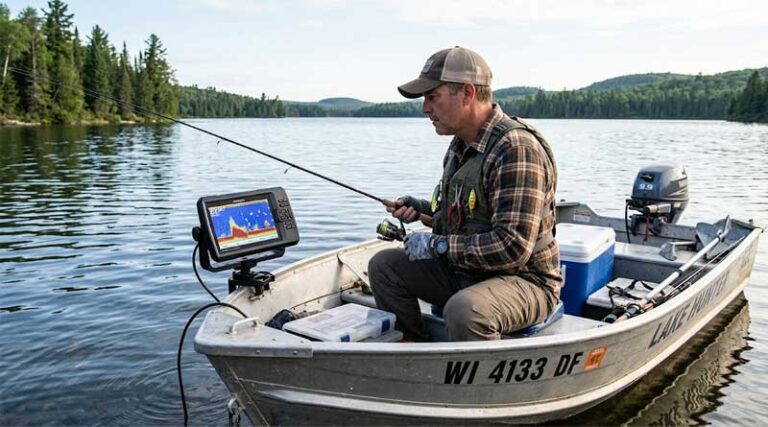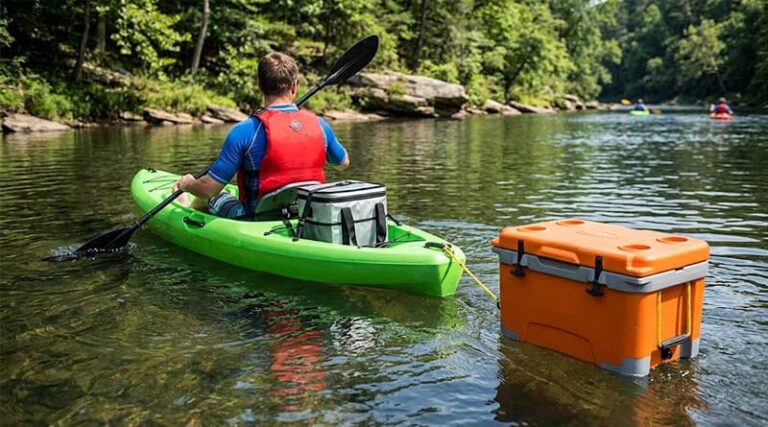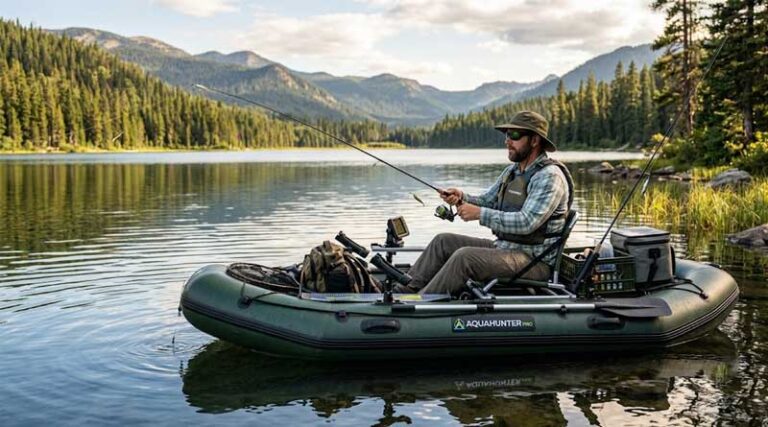
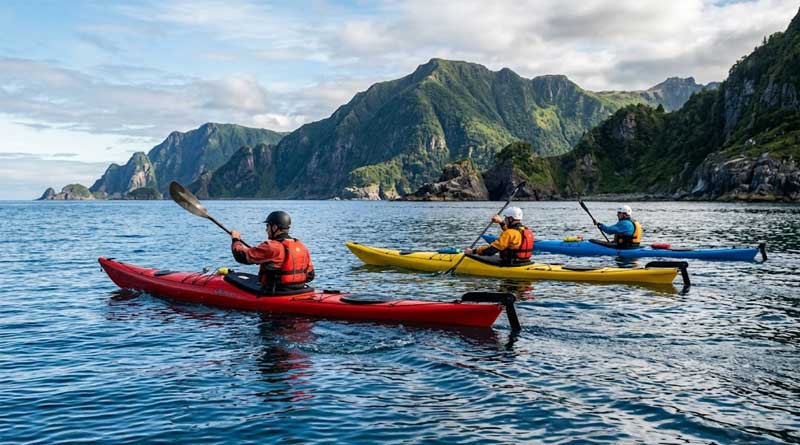
Embarking on a sea touring adventure requires a kayak that balances stability, speed, and durability. Whether you are navigating coastal waters, exploring serene lakes, or tackling river currents, the right vessel transforms your paddling experience. From ultra-lightweight inflatables that pack into a carry bag to rigid sit-inside models built for long expeditions, today’s market offers diverse options. This article reviews five top-rated sea touring kayaks, comparing their features, performance, and value. We also provide a comprehensive guide to help you choose the perfect kayak for your needs, ensuring every journey is memorable and safe.
1. Sea Eagle 370 Pro

Capacity: 650 lbs | Weight: 32 lbs | Material: I-beam floor | Includes: (2) deluxe seats, (2) 4-part paddles, pump, skegs, repair kit
The Sea Eagle 370 Pro is a versatile inflatable touring kayak that handles up to Class III whitewater while supporting three paddlers. Its heavy-duty construction and I-beam floor provide impressive rigidity, and the compact 32‑lb package fits in any car trunk. The inflatable seats raise you 5 inches off the floor and offer excellent back support, making long tours comfortable.
With the Pro Package, you get everything needed for immediate adventure: durable paddles, a high‑output pump, and two skegs for improved tracking. The open/close drain valves simplify maintenance, and the rear pocket adds useful storage. Backed by a three‑year warranty, this kayak is a reliable choice for families and groups who want performance without permanent roof racks.
Pros: Supports 3 people; tracks well with skegs; packs small; great value.
Cons: Heavier than solo inflatables; seat inflation requires care.
2. Sea Eagle EZLITE 10

Construction: All‑woven drop stitch | Weight: 26 lbs | Setup: Under 4 minutes | Footrests: 20 adjustable positions
The Sea Eagle EZLITE 10 redefines ultralight performance with woven drop‑stitch top and bottom, creating a rigid hull that rivals hard‑shell kayaks. The V‑bottom extends the full length for faster paddling and excellent primary stability, while the removable rear skeg enhances tracking. Weighing only 26 lbs, it is easy for one person to carry to the water.
Setup is astonishingly quick—less than four minutes from backpack to paddling—thanks to just two air chambers. The new adjustable footrests offer 20 positions for solid foot support, increasing power transfer. This solo kayak is perfect for day tours on lakes, rivers, and coastal waters where portability and speed matter.
Pros: Ultralight and rigid; fast setup; excellent footrest system; tracks straight.
Cons: Solo only; less internal storage than larger models.
3. Perception Carolina 14

Length: 14 ft | Seat: Adjustable Zone DLX | Storage: Sealed bow & stern hatches | Origin: Made in the USA
The Perception Carolina 14 is a trusted sit‑inside touring kayak built for adults who want confidence on varied waters. Its 14‑foot length delivers enhanced speed and tracking, whether you are exploring tranquil lakes or coastal shores. The adjustable Zone DLX seat conforms to your body, reducing fatigue during long expeditions.
Ample sealed bow and stern hatches keep gear dry and secure, while the hull’s proven design offers a smooth, stable ride. Proudly made in the USA, this kayak represents quality craftsmanship and durability. It is an ideal choice for paddlers who prioritise comfort, storage, and all‑day performance on the water.
Pros: Comfortable seat; excellent storage; stable and fast; American‑made.
Cons: Heavier than inflatables; requires roof rack for transport.
4. Wilderness Systems Tempest 165

Length: 16′ 6″ | Weight: 55 lbs | Seat: Phase 3 AirPro | Skeg: Adjustable
The Wilderness Systems Tempest 165 is a high‑performance touring kayak designed for smaller‑framed paddlers seeking signature performance. Its narrow beam and lower deck improve manoeuvrability, while the 16’6″ length offers excellent speed and glide for coastal expeditions. The adjustable skeg ensures straight tracking in wind and currents.
Phase 3 AirPro seating provides outstanding comfort and adjustability, allowing you to paddle for hours without discomfort. The kayak’s refined hull shape cuts efficiently through choppy water, and the lightweight construction makes it manageable for solo car‑topping. This is a premium choice for serious touring enthusiasts who demand precision and quality.
Pros: Excellent tracking; premium seat; great for smaller paddlers; responsive hull.
Cons: Higher price; limited primary stability for beginners.
5. GUMOTEX Seashine

Material: Nitrilon fabric | Packed size: 26×22×13 in | Type: Tandem sit‑on‑top | Setup: Foot pump included
The GUMOTEX Seashine is a lightweight inflatable tandem kayak built for two adults who want stable touring on lakes, rivers, and coastal waters. Its Nitrilon fabric resists abrasion, punctures, and UV damage, ensuring durability over years of use. The stable sit‑on‑top design offers ample legroom and adjustable seats for comfort in both solo and tandem modes.
Quick inflation with the included foot pump gets you on the water in minutes, and the compact package fits easily in a car boot or closet. This kayak is ideal for recreational paddling and exploring, combining portability with enough rigidity for confident handling. It is a practical choice for couples and friends who value convenience and versatility.
Pros: Durable fabric; tandem capacity; quick setup; compact storage.
Cons: Slower than longer touring kayaks; foot pump can be tiring.
How to Choose the Best Sea Touring Kayak
Selecting the right sea touring kayak is essential for safety, comfort, and enjoyment on the water. With options ranging from lightweight inflatables to rigid sit‑inside models, the choice depends on your paddling environment, skill level, and storage capabilities. This guide helps you evaluate key factors so you can make an informed purchase.
1. Kayak Type: Inflatable vs. Rigid
Inflatable Kayaks
Inflatable models like the Sea Eagle 370 Pro, Sea Eagle EZLITE 10, and GUMOTEX Seashine offer unmatched portability. They pack into compact bags, making them ideal for travellers, apartment dwellers, or those without roof racks. Modern drop‑stitch construction (as seen in the EZLITE 10) creates a rigid floor that performs surprisingly like a hard shell. They are also more forgiving when hitting rocks or shallow bottoms.
Rigid Kayaks
Rigid kayaks such as the Perception Carolina 14 and Wilderness Systems Tempest 165 provide superior tracking, speed, and storage capacity. Their fixed hull shapes cut through waves efficiently and offer predictable handling in rough conditions. They are heavier and require roof racks or trailers for transport, but they reward serious paddlers with lasting durability and performance.
2. Capacity and Seating
Consider how many paddlers will typically use the kayak. Solo kayaks (EZLITE 10, Carolina 14, Tempest 165) are lighter and more manoeuvrable, while tandem models (Sea Eagle 370 Pro, GUMOTEX Seashine) allow you to share the adventure with a partner. Check the maximum weight capacity, as it includes paddlers and gear. For day touring, a capacity of 250‑300 lbs per person is a good baseline.
3. Hull Design and Tracking
Hull shape determines speed, stability, and tracking. A V‑bottom (EZLITE 10) or longer waterline (Carolina 14 and Tempest 165) improves straight‑line paddling. Removable skegs or adjustable skeg systems help maintain course in wind and currents. For coastal touring, a kayak with good tracking reduces fatigue and keeps you on course. If you are paddling on calm lakes, a flatter hull may be more stable and easier to turn.
4. Material and Durability
Inflatable kayaks use fabrics like Nitrilon (GUMOTEX) or woven drop stitch (EZLITE 10) to resist punctures and UV damage. Look for reinforced seams and I‑beam floors (Sea Eagle 370 Pro) for added rigidity. Rigid kayaks are typically rotomolded polyethylene, which is tough and repairable. The Wilderness Systems Tempest uses a higher‑end composite layup for reduced weight and increased stiffness. Evaluate the conditions you will paddle—rocky rivers demand tougher materials than open lakes.
5. Comfort and Adjustability
Long tours require supportive seating. The Phase 3 AirPro seat in the Tempest 165 is contoured for all‑day comfort, while the Zone DLX seat in the Carolina 14 is adjustable to fit different body types. Inflatable seats (Sea Eagle 370 Pro) should have good lumbar support and sit high enough for proper leg angle. Adjustable footrests (EZLITE 10) are crucial for effective paddling, as they allow you to brace your feet and transfer power to the stroke.
6. Storage and Hatches
For day trips or overnight expeditions, dry storage is vital. The Carolina 14 and Tempest 165 feature sealed bow and stern hatches to keep gear safe. Inflatables often have bungee rigging or rear pockets (Sea Eagle 370 Pro) but less internal volume. Consider what you will carry: spare clothing, food, safety gear, and camping equipment. Larger hatches also allow you to retrieve items easily while on the water.
7. Portability and Setup Time
If you have limited storage or no vehicle rack, an inflatable is a clear winner. The EZLITE 10 sets up in under 4 minutes, while the Seashine inflates with a foot pump. Rigid kayaks require roof loading and strapping, which can be physically demanding. Also, weigh the kayak: sub‑30‑lb inflatables are easy to carry, while 55‑lb rigids may need two people or a cart to transport from the car to the shore.
8. Intended Water Conditions
Match your kayak to your primary paddling environment. For Class III whitewater or rough coastal surf, the Sea Eagle 370 Pro’s whitewater rating and durable construction are appropriate. For open ocean touring with variable winds and currents, the Tempest 165 and Carolina 14 offer the length and skeg systems needed for stability and control. Calm rivers and lakes suit almost any model, but longer kayaks will be faster and more efficient.
9. Warranty and After‑Sales Support
Longer warranties indicate manufacturer confidence. Sea Eagle offers a three‑year warranty on manufacturing defects, while Perception and Wilderness Systems provide robust support for their American‑made products. Check what the warranty covers and whether replacement parts (skegs, seats, valves) are readily available. Reading customer reviews can also reveal common issues and how responsive the brand is to problems.
10. Budget and Value
Prices vary widely, from affordable inflatables (Sea Eagle 370 Pro) to premium composite rigids (Tempest 165). Define your budget and decide which features are non‑negotiable. For occasional use, a mid‑range inflatable may be perfect. For frequent touring, investing in a rigid kayak with superior comfort and storage pays off over years of use. Remember to factor in necessary accessories: paddles, PFDs, pump, and storage bags.
Comparison Table
| Model | Type | Weight | Capacity | Tracking Aid | Best For |
|---|---|---|---|---|---|
| Sea Eagle 370 Pro | Inflatable (3‑person) | 32 lbs | 650 lbs | 2 skegs | Families, whitewater |
| Sea Eagle EZLITE 10 | Inflatable (solo) | 26 lbs | ~300 lbs | V‑bottom + skeg | Ultralight solo touring |
| Perception Carolina 14 | Rigid sit‑inside | ~50 lbs | ~350 lbs | Long hull | All‑day touring, storage |
| Wilderness Systems Tempest 165 | Rigid sit‑inside | 55 lbs | ~375 lbs | Adjustable skeg | Coastal expedition, small frame |
| GUMOTEX Seashine | Inflatable tandem (sit‑on‑top) | ~30 lbs | ~400 lbs | Stable hull | Recreational tandem touring |
Choosing the best sea touring kayak ultimately depends on balancing portability, performance, and comfort. Evaluate your typical paddling destinations, storage space, and budget. Test paddle if possible, or read detailed reviews to understand how each model handles in real conditions. With the right kayak, every paddle becomes an adventure worth remembering.