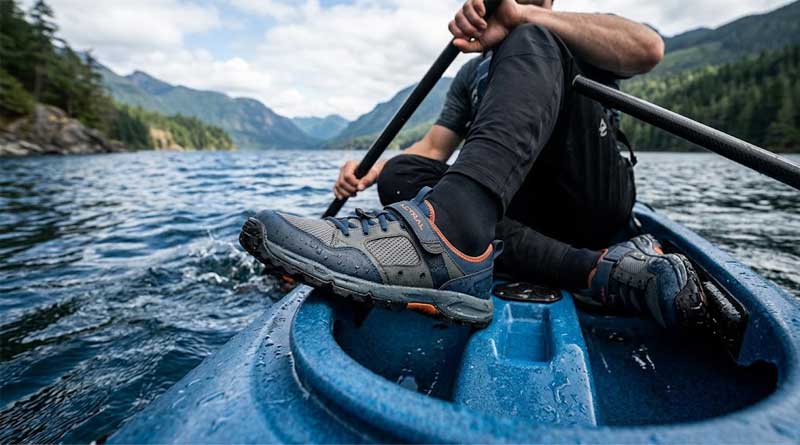
Choosing the right footwear for kayaking is essential for comfort, safety, and performance on the water. The best kayaking shoes provide excellent grip on slippery surfaces, quick-drying materials to prevent discomfort, and adequate protection for your feet against sharp rocks or hot sand. Whether you are navigating rivers, lakes, or coastal waters, the right pair enhances your overall paddling experience. This guide reviews top-rated water shoes designed specifically for kayaking, helping you make an informed decision.
1. UBFEN Water Shoes

Upper Material: Stretchy, breathable fabric
Sole: Durable rubber with multi-directional tread
Closure: Slip-on with adjustable drawstring
Weight: Ultra-lightweight, barefoot feel
The UBFEN Water Shoes are an excellent choice for kayakers seeking a lightweight, barefoot-style fit. The quick-dry fabric ensures your feet stay comfortable even after prolonged exposure to water, while the rubber sole provides reliable traction on both wet boat decks and rocky shores. The snug, sock-like fit keeps debris out, making them ideal for water-to-land transitions during kayaking trips.
These shoes excel in versatility, performing well not just for kayaking but also for hiking, fishing, and beach activities. The breathable upper prevents overheating, and the flexible design allows natural foot movement. However, the minimalist sole may lack sufficient arch support for extended walking on hard surfaces, and the thin material might not offer maximum protection against sharp objects.
Pros: Ultra-lightweight, excellent drainage, comfortable barefoot feel, versatile for multiple water sports
Cons: Limited arch support, thin sole may not protect against sharp rocks
2. DOUSSPRT Men’s Water Shoes

Upper: High-quality mesh for breathability
Sole: Non-slip rubber with wave pattern
Closure: Lace-up for secure fit
Drainage: Perforated insole and outsole
DOUSSPRT Men’s Water Shoes are designed for active kayakers who need a secure, adjustable fit. The quick-drying mesh upper and perforated sole allow water to escape instantly, preventing that heavy, waterlogged feeling. The non-slip rubber sole provides excellent grip on wet surfaces, making them reliable for launching and landing kayaks on slippery riverbanks or boat ramps.
The lace-up closure ensures a customized fit, reducing the risk of shoes slipping off during vigorous paddling. These shoes are durable and offer good protection against minor abrasions. While they perform well for kayaking, the fit may run slightly small, so ordering a size up is recommended. The sole is sturdy but not overly thick, balancing flexibility with underfoot protection.
Pros: Secure lace-up fit, fast drainage, good traction on wet surfaces, durable construction
Cons: May run small, limited color options
3. SIMARI Water Shoes

Sole: Rubber with slip-resistant design
Upper: Breathable elastic mesh
Insole: Ergonomic for shock absorption
Ventilation: Fast draining and cross-ventilation
SIMARI Water Shoes offer an ergonomic design with a focus on comfort and traction. The rubber sole features a unique tread pattern that grips well on all surfaces, from wet rocks to muddy banks. The breathable mesh upper ensures quick drying and ventilation, keeping your feet cool during long kayaking sessions. The shock-absorbing insole adds comfort, making them suitable for water-to-land activities.
These shoes are incredibly lightweight and pack easily, perfect for traveling kayakers. The barefoot-style fit allows for natural foot movement, essential for balance in a kayak. However, the thin sole may not provide enough insulation in cold water, and some users might find the sizing a bit off. Overall, they are a great value option for recreational kayakers who prioritize comfort and slip resistance.
Pros: Excellent slip resistance, breathable mesh, good shock absorption, easy to pack
Cons: Sizing can be inconsistent, not ideal for cold water
4. SEEKWAY Water Shoes

Material: Stretchy fabric with spandex blend
Sole: Flexible rubber with drainage holes
Fit: Barefoot-style with sock-like comfort
Weight: Extremely lightweight
SEEKWAY Water Shoes are a popular choice among kayakers for their barefoot feel and excellent quick-dry capabilities. The spandex-blend upper fits like a glove, providing a secure and comfortable fit without restricting movement. The rubber sole is flexible yet offers enough grip for stable footing on wet surfaces. The drainage holes allow water and debris to escape, keeping your feet light and dry.
These shoes are ideal for warm-weather kayaking and are equally effective for swimming or beach walks. The minimalist design promotes natural foot movement, which is beneficial for balance in a kayak. However, the thin sole offers limited protection against sharp rocks, and the lack of significant arch support might be a downside for those with foot issues. Despite this, they are a favorite for their comfort and affordability.
Pros: Sock-like comfort, excellent drainage, lightweight, affordable
Cons: Limited foot protection, minimal arch support
5. ziitop Water Shoes

Upper: Breathable mesh with elastic collar
Sole: Non-slip rubber with drainage ports
Closure: Slip-on with adjustable lanyard
Insole: Removable and washable
ziitop Water Shoes offer a blend of comfort and functionality for kayaking enthusiasts. The breathable mesh upper ensures your feet stay cool, while the non-slip rubber sole provides reliable traction on slippery surfaces like wet rocks and kayak decks. The adjustable lanyard secures the fit, preventing slipping inside the shoe. The removable insole is a convenient feature for cleaning and drying.
These shoes are versatile enough for various water sports, including kayaking, swimming, and river hiking. The quick-dry material and drainage system ensure your feet remain comfortable throughout your adventure. While the sole offers good flexibility, it may not be as durable as thicker hiking shoes for rugged terrain. Also, the sizing can be a bit snug for wide feet, so consider ordering a half size larger for optimal comfort.
Pros: Breathable and quick-drying, good traction, removable insole, secure fit
Cons: Sizing may be tight for wide feet, sole could be more durable
How to Choose the Best Kayaking Shoes
Selecting the best kayaking shoes is crucial for comfort, safety, and enjoyment on the water. With various options available, it’s important to consider several key factors to ensure you make the right choice. This guide will walk you through the essential aspects to consider when choosing kayaking footwear, helping you find the perfect pair for your specific needs.
1. Sole and Traction
The sole of your kayaking shoes is arguably the most important feature. Kayaking often involves navigating slippery surfaces like wet boat ramps, slimy rocks, and muddy banks. Therefore, you need a sole that offers excellent grip and traction. Look for shoes with non-slip rubber outsoles that have a deep tread pattern. This design helps channel water away from the sole, enhancing grip on wet surfaces. Some soles are specifically engineered for wet conditions, utilizing a sticky rubber compound similar to that used in climbing shoes. Avoid smooth-soled shoes or those with shallow patterns, as they will not provide sufficient traction. Additionally, consider the flexibility of the sole. A sole that is too stiff may hinder your ability to feel the foot pegs in your kayak, while a sole that is too thin may not protect your feet from sharp objects. A balance between flexibility and protection is ideal for kayaking.
2. Material and Quick-Dry Properties
Since your feet will inevitably get wet during kayaking, the material of the shoes is a critical factor. The best kayaking shoes are made from quick-drying materials such as mesh, neoprene, or a combination of both. Mesh uppers allow water to flow in and out easily, ensuring your feet dry quickly once out of the water. This prevents the discomfort and potential blisters associated with prolonged wetness. Neoprene is another popular choice for kayaking, especially in cooler conditions, as it provides some insulation while also drying relatively fast. Additionally, look for shoes that have drainage ports or perforated insoles. These features allow water and small debris to escape, preventing your shoes from becoming waterlogged and heavy. Avoid materials like heavy canvas or leather, which retain water and take a long time to dry, making them unsuitable for kayaking.
3. Fit and Comfort
A snug yet comfortable fit is essential for kayaking shoes. Your shoes should fit securely without being too tight, which could restrict blood flow and cause discomfort. At the same time, they shouldn’t be too loose, as this could lead to blisters from friction or even cause the shoes to slip off. Many kayaking shoes feature a sock-like design or stretchable upper, which conforms to your foot shape for a custom fit. Some models also include adjustable drawstrings or laces to fine-tune the fit. Consider the width of the shoe, especially if you have wide feet. Try to wear the shoes with the socks you plan to use while kayaking, as this will affect the fit. For neoprene shoes, remember that they may expand slightly when wet. It’s often recommended to try them on with thin socks or barefoot to get the right feel. Ultimately, a good fit ensures you can move your feet freely to control your kayak without any restrictions.
4. Protection and Durability
Kayaking often takes you to environments where your feet are exposed to potential hazards. Whether you are walking over sharp rocks, oyster shells, or hot sand, your shoes need to provide adequate protection. Look for shoes with a sturdy toe cap or reinforced toe area to protect your toes from stubbing. The sole should be thick enough to prevent sharp objects from poking through. Additionally, consider the overall durability of the shoe. Kayaking involves exposure to water, UV rays, and abrasive surfaces. Choose shoes made from high-quality, durable materials that can withstand these harsh conditions. Reinforced stitching and strong adhesive used in the construction are indicators of a durable shoe. A well-made shoe will not only protect your feet but also last through many kayaking adventures, providing good value for money.
5. Drainage and Breathability
Effective drainage and breathability are key to maintaining foot comfort during and after kayaking. As mentioned earlier, drainage holes or perforations in the sole and upper allow water and sand to exit the shoe quickly, preventing the uncomfortable sensation of water sloshing around. This also helps to prevent blisters and fungal infections. Breathability is equally important, especially during warm weather. A breathable mesh upper allows air to circulate, keeping your feet cool and reducing sweat. A combination of good drainage and breathability ensures your feet remain dry and comfortable, even after long hours on the water. Some shoes incorporate a drainage system that actively channels water away from the foot, which is a great feature to look for if you frequently encounter wet conditions.
6. Weight and Packability
For kayakers who travel or need to pack their gear, the weight and packability of the shoes are important considerations. Lightweight shoes are easier to move in and won’t tire your feet as quickly. They are also easier to pack and won’t add significant weight to your gear bag. Many kayaking shoes are designed to be ultra-lightweight and can be folded or flattened for easy storage. This is particularly useful if you need to stow them in a dry bag or kayak hatch. However, keep in mind that extremely lightweight shoes may compromise on protection or durability. It’s about finding the right balance for your specific needs. If you frequently hike to and from your launch site, a slightly sturdier shoe might be better, while a minimalist shoe is ideal for pure paddling scenarios.
7. Climate and Water Temperature
Consider the typical climate and water temperature of your kayaking destinations. For warm, tropical waters, a lightweight mesh shoe with minimal insulation is ideal. These shoes will keep your feet cool and dry quickly. In cooler conditions or cold water, you might prefer neoprene shoes that offer some thermal insulation. Neoprene helps to retain warmth even when wet, preventing your feet from getting too cold. Some shoes also come with a slightly higher ankle cut, which can offer additional warmth and protect your ankles from scrapes. If you often paddle in spring or autumn, you might want a pair that offers a balance between breathability and warmth, perhaps with a mesh upper and a thin neoprene lining. Always match your shoe choice to the weather conditions you expect to encounter.
8. Intended Use and Versatility
Think about how you will primarily use your kayaking shoes. Are you a recreational paddler who just needs protection and grip for launching and landing? Or are you an avid kayaker who also plans to hike, fish, or explore coastal areas? If you need a versatile shoe that can transition seamlessly from water to land, look for a hybrid model with good traction, durability, and comfort for walking. If you mostly paddle in a flat-water kayak where you rarely need to exit the boat, a minimalist water sock might suffice. However, if you frequently do self-rescue practices or portage, you’ll need a more robust shoe. Understanding your intended use helps narrow down your options. Many of the shoes reviewed are highly versatile, catering to both water sports and light land activities, making them a smart investment.
9. Budget and Value
Kayaking shoes are available at various price points, from budget-friendly options to premium brands. While it’s tempting to go for the cheapest pair, consider the value in terms of durability, comfort, and performance. A slightly more expensive shoe made from quality materials might last longer and provide better protection, ultimately saving you money in the long run. However, there are many affordable options that offer excellent features for recreational kayakers. Look for sales and compare features to find the best value. Remember, the most expensive shoe isn’t always the best for your needs. Assess your requirements and budget to find a pair that offers the right balance. The products reviewed in this article represent a range of prices, each offering distinct advantages.
10. Sizing and Fit Tips
Getting the right size is crucial for comfort and performance. Water shoes often come in standard US sizes, but brand sizing can vary. Always check the manufacturer’s size chart and read customer reviews regarding fit. Some users recommend ordering a half size or full size up if you plan to wear socks with your water shoes. Many kayaking shoes have a snug, second-skin fit, which is great for water but might feel tight out of the water. When trying on, ensure there is enough room for your toes to wiggle, and your heel stays in place without slipping. If possible, test them by walking on a wet surface to see how they grip. Don’t forget to consider the width; if you have wide feet, look for brands that offer wide sizes or have a stretchable upper. Ultimately, a properly sized shoe will enhance your kayaking experience by providing comfort and preventing issues like blisters or numbness.
| Feature | Why It Matters for Kayaking |
|---|---|
| Sole Traction | Prevents slipping on wet rocks and boat decks, ensuring safety. |
| Quick-Dry Material | Keeps feet comfortable and prevents blisters by drying rapidly after immersion. |
| Drainage System | Allows water and debris to escape, reducing weight and preventing squishing. |
| Foot Protection | Shields feet from sharp rocks, shells, and hot surfaces during portages. |
| Secure Fit | Ensures shoes stay on during water entry/exit and provides optimal foot control. |
By considering these ten factors—sole and traction, material and quick-dry properties, fit and comfort, protection and durability, drainage and breathability, weight and packability, climate and water temperature, intended use and versatility, budget and value, and sizing and fit tips—you can confidently choose the best kayaking shoes for your adventures. Investing time in selecting the right pair will significantly enhance your safety, comfort, and overall enjoyment on the water. Remember to prioritize the features most important to your specific kayaking style and environment.