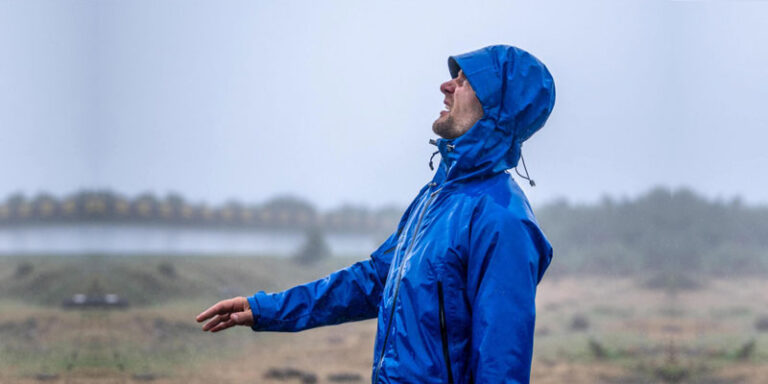
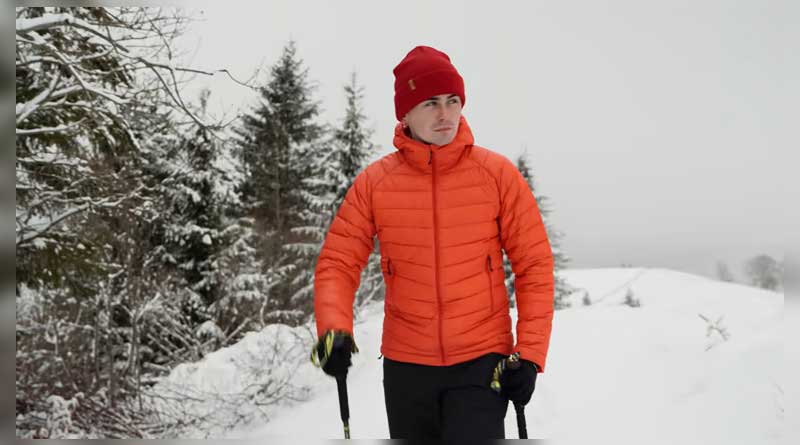
Looking for a warm jacket without spending a lot of money? You don’t need to pay high prices for good quality. This article rounds up the best budget down jackets that keep you cozy in cold weather. We tested affordable options that use real down feathers, are lightweight, and easy to pack. Whether you commute or travel, find a reliable jacket that fits your wallet and fights the chill.
1. REI Co-op 650 Down Jacket

- Insulation: 650-fill-power down (bluesign® approved)
- Fabric: Recycled ripstop nylon shell with nonfluorinated DWR coating
- Weight: 10.9 oz
- Back Length: 28.5 inches (size M)
The REI Co-op 650 Down Jacket is a solid pick for hikers and everyday wearers looking for warmth without breaking the bank. Designed for cold but active days, it offers lightweight insulation with a windproof and water-resistant shell. The 650-fill-power down provides cozy warmth while keeping the overall weight low. The recycled nylon fabric feels soft but tough enough for outdoor use. Two zippered hand pockets and two inner drop-in pockets add functional storage. It also features a drawcord hem and elastic cuffs to trap body heat effectively.
This jacket stands out for its excellent fit, especially for taller wearers, which many big-name brands don’t accommodate. It’s comfortable, not bulky, and warm enough for brisk walks, hikes, or city outings. However, some users have reported minor quality control issues, such as loose threads inside the jacket. While these don’t impact performance right away, they raise concerns about long-term durability. Despite that, it’s still a great value for the price and ideal for anyone wanting a dependable down jacket with a low environmental footprint and a thoughtful design.
Pros:
- Lightweight and warm
- Great fit, including tall sizes
- Made from recycled, bluesign®-approved materials
- Good value for the price
Cons:
- Some quality issues like loose threads
- No hood for added coverage
See the REI Co-op 650 See the Women’s 650
2. Wantdo Packable Down Jacket

- Insulation: Responsibly sourced duck down (RDS-certified)
- Weight: 11.53 oz (size Large, with stuff sack)
- Outer Fabric: Lightweight, windproof shell with full zip-up collar and attached hood
- Storage: 2 hand pockets, 2 inner pockets, 1 chest pocket
The Wantdo Packable Down Jacket is a lightweight and affordable option for mild to moderate cold weather. It’s filled with RDS-certified duck down and comes with a compact stuff sack, making it perfect for casual use, travel, or backup warmth during backpacking trips. The jacket includes an attached hood, windproof fabric, and a full-zip stand collar that helps block out chilly air. Though the insulation feels thin at first, it fluffs up after a day and provides reasonable warmth for temperatures down to the low 40s°F when you’re active. The jacket’s many pockets add practicality, and it’s available in big and tall sizes for a better fit.
That said, the jacket isn’t built for harsh winter conditions or heavy use. While it’s sewn well and has decent zippers, the outer fabric is quite thin and could tear easily in rugged terrain. It also loses a bit of down over time, although this is common in budget puffers. If you live in a milder climate or need a just-in-case jacket for your car or day hikes, it’s a solid deal for around $45. But if you’re planning more demanding use, it may be worth spending a little more for something warmer and more durable.
Pros:
- Lightweight and easily packable
- Affordable price for down insulation
- Comfortable fit with good pocket storage
- RDS-certified insulation for peace of mind
Cons:
- Thin insulation limits cold-weather performance
- Outer fabric is fragile
- Some down leakage over time
See the Wantdo Packable Jacket See the Women’s Wantdo Jacket
3. Patagonia Down Sweater

- Insulation: 800-fill-power RDS-certified goose down
- Fabric: NetPlus® 100% postconsumer recycled nylon (20-denier ripstop)
- Weight: 13 oz
- Back Length: 27.25 inches (hip-length)
The Patagonia Down Sweater offers a reliable mix of warmth, comfort, and sustainability. With 800-fill-power goose down, it delivers excellent insulation without feeling bulky. The recycled NetPlus® nylon shell is windproof and coated with a PFC-free DWR finish, helping it shed light moisture while keeping the elements at bay. It’s designed to pack down into its own chest pocket, making it a versatile piece for travel or outdoor adventures. Small design details—like the zipper garage, interior storm flap, and adjustable hem—add thoughtful touches that improve comfort in cold, breezy conditions.
Fit-wise, this version is more tailored than older models, with longer sleeves and a slightly slimmer waist, making it a better fit for taller or leaner body types. It feels cozy and looks sleek for both outdoor use and around town. The two handwarmer pockets are spacious, and the adjustable cuffs and hem help seal in heat. However, some users report minor down leakage through the shell, which can be expected with high-fill-power jackets but is still worth noting given the price. Overall, the Down Sweater shines as a lightweight, responsibly made option for those who need serious warmth in a packable design.
Pros:
- Very warm for its weight
- Excellent fit for taller or slimmer builds
- Highly packable and travel-friendly
- Made with recycled materials and RDS-certified down
Cons:
- Occasional down leakage
- Premium price compared to other puffers
See the Patagonia Down Sweater See the Women’s Down Sweater
4. The North Face Hydrenalite

- Insulation: 600-fill-power goose down
- Shell Fabric: Nylon taffeta
- Pockets: 2 hand pockets
- Weight: 15 oz.
The North Face Hydrenalite Down Hoodie strikes an impressive balance between urban styling and serious weather defense. The water-repellent, 30-denier recycled nylon shell with a non-PFC DWR finish does an excellent job blocking icy winds and shedding light moisture, while the 600-fill-power recycled down insulation provides reliable warmth without feeling bulky. At just over a pound, it’s light enough for daily commutes or layering, yet the insulated hood and down baffles—borrowed from expedition gear—make it genuinely capable when temperatures drop. The hip-length cut and 26.5-inch back length offer good coverage without restricting movement.
Where this jacket really shines is its city-friendly comfort. The recycled nylon taffeta lining feels smooth against layers, and the fit avoids the “puffy marshmallow” look common with many down jackets. It’s rated as “warmer” rather than “arctic-grade,” making it ideal for chilly errands, morning walks, or cool evenings out. My only minor critique is that the hood, while insulated, isn’t adjustable, so very windy days may require a beanie underneath. Still, for casual use—from coffee runs to commuter trains—the Hydrenalite Down Hoodie delivers cozy, low-bulk insulation with a responsible, recycled build.
Pros:
- Weather-resistant shell
- Eco-friendly insulation
- Lightweight & packable
Cons:
- Hood isn’t adjustable
- Not for extreme cold
See The North Hydrenalite See the Women’s Hydrenalite
5. Orolay Women’s Thickened Jacket
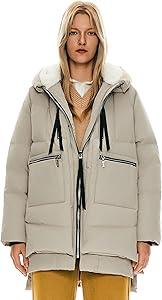
- Insulation: 90% RDS-certified down, 10% duck feather
- Shell Fabric: 100% polyester with windproof and warm-keeping properties
- Hood: Fleece-lined for added warmth
- Pockets: 6 exterior pockets plus 1 interior pocket
The Orolay Women’s Thickened Jacket is a cozy and stylish option built for harsh winter weather. Made with dense polyester and filled with responsibly sourced down, it traps heat effectively while blocking wind. The fleece-lined hood adds an extra layer of comfort, and the crumpled bottom design gives the coat a fashionable twist. One of its standout features is its roomy interior, which provides flexibility for layering without feeling bulky or restrictive. The six large outer pockets are both practical and stylish, with an additional inner pocket as a pleasant surprise. Whether you’re running errands, commuting, or standing outside on chilly days, this jacket keeps you warm and comfortable.
Fit and function come together beautifully in this coat. It’s especially praised by curvier wearers for its generous sizing and flattering shape. The sleeves aren’t tight, and the coat feels soft, plush, and durable. Although it arrives compressed, a quick fluff-up brings it to life. Once on, it offers immediate warmth without overheating, even on active days. With details like side zippers for added mobility and a unique design that stands out without being flashy, it blends fashion with functionality effortlessly. If you’re looking for a dependable winter coat that’s as comfortable as it is eye-catching, this one’s a winner.
Pros:
- Very warm and windproof
- Stylish, roomy, and flattering fit
- Plenty of useful pockets
- Fleece-lined hood for added comfort
Cons:
- Arrives compressed and needs fluffing
- May be too warm for mild winter days
See the Orolay Women’s Thickened Jacket
6. Eddie Bauer CirrusLite

- Insulation: 650-fill RDS-certified premium down
- Shell Fabric: 100% nylon with StormRepel® DWR finish
- Closure: Full-zip front with high neckline for added warmth
- Weight: Ultralight and packable for easy travel
The Eddie Bauer CirrusLite is a cheap down jacket that offers excellent warmth without the bulk, making it ideal for everyday winter wear or travel. Its 650-fill RDS-certified down traps heat efficiently, while the lightweight nylon shell keeps things breathable and easy to pack. The StormRepel® DWR finish helps shed light moisture, preventing the fabric from soaking through in light rain or snow. The jacket features a clean, simple design with a small Eddie Bauer logo on the chest, avoiding the flashy branding common with other coats. With a higher neckline and hooded option, it seals in warmth effectively on windy or chilly days.
Comfort and practicality are strong points here. The jacket’s ultralight feel makes it easy to wear over a sweater or mid-layer, and it packs down small for commuting or travel. It’s a great value for those wanting quality insulation and a sleek look at a reasonable price. One user even compared it favorably to other name-brand alternatives, choosing this model for its subtle design and solid performance. While it may not be suited for extreme cold on its own, it performs exceptionally well in typical winter weather and is perfect for layering.
Pros:
- Lightweight and easy to pack
- Water-resistant with durable StormRepel® coating
- High collar helps retain body heat
- Subtle, minimalist design
Cons:
- May not be warm enough for sub-zero temps without layering
- No inner pocket for secure storage
See the Eddie Bauer CirrusLite See the Women’s CirrusLite
7. Tommy Hilfiger Ultra Loft Puffer

- Insulation: Ultra Loft Faux Down for enhanced warmth
- Design: Signature Tommy Hilfiger flag on chest and logo on collar
- Pockets: Two zippered side pockets and one hidden interior pocket
- Packability: Lightweight and stores easily in matching adjustable bag
The Tommy Hilfiger Ultra Loft Puffer Jacket offers a strong mix of warmth, style, and practicality. It features Ultra Loft faux down insulation, which provides plenty of warmth for cold days without adding bulk. The lightweight build makes it easy to wear and even easier to travel with—it packs neatly into its included storage bag using a simple folding guide printed inside. The front zipper, side pockets, and hidden interior pocket add convenience and security for daily use. This jacket is especially great for anyone looking for affordable warmth without sacrificing style.
Style-wise, this puffer lives up to the Tommy Hilfiger brand. The sleek design includes the iconic flag logo on the chest and the “Hilfiger” name subtly placed on the back collar. It looks sharp whether you’re running errands or heading out for a night in the city. One downside is the outer fabric—it’s a bit slick, which means shoulder bags or backpacks can slide off easily. While that’s a minor annoyance, the overall comfort and performance of the jacket outweigh it. For the price, especially when on sale, it delivers solid warmth and packable convenience with designer flair.
Pros:
- Stylish design with signature Tommy Hilfiger details
- Warm and lightweight faux down insulation
- Packs easily into included travel bag
- Multiple pockets for secure storage
Cons:
- Slippery outer fabric makes carrying shoulder bags tricky
- Not ideal for extreme cold without layering
See the Tommy Hilfiger Ultra Loft Puffer
How to Choose a Budget Down Jacket: A Complete Guide
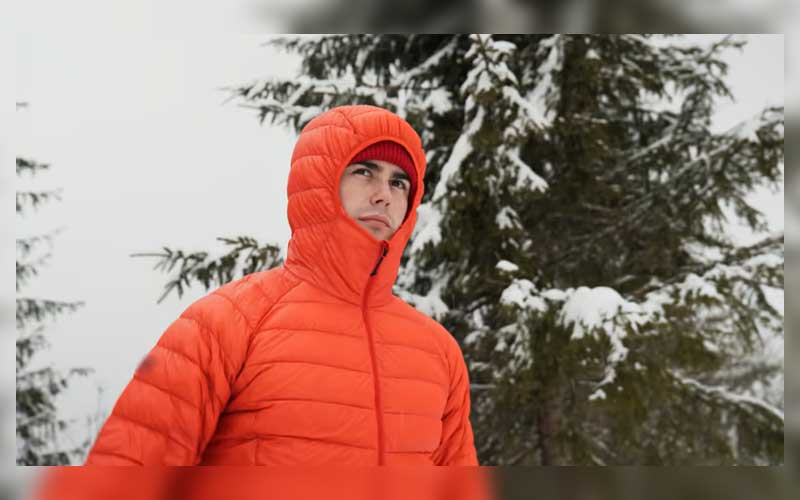
Down jackets are a winter essential for anyone who needs lightweight warmth. Whether you’re hiking in the backcountry, navigating city streets, or traveling in cold climates, a good down jacket can keep you warm without adding unnecessary weight. But with so many options on the market, it can be confusing to know what features matter most. In this guide, we’ll break down everything you need to know to choose the right inexpensive down jacket for your needs.
1. Understand Down Insulation
Down insulation comes from the fluffy undercoating of ducks or geese. Unlike feathers, down clusters trap air, providing excellent insulation while staying lightweight. There are two key terms to understand:
-
Fill Power: This measures the loft or fluffiness of the down. The higher the number, the more air it traps, and the warmer it will be for its weight. Common fill powers range from 550 to 900.
-
550–650: Good for casual wear.
-
700–800: Great for moderate activity and cold weather.
-
850+: Best warmth-to-weight ratio, great for alpine use and serious cold.
-
-
Fill Weight: This is how much down is in the jacket. A jacket with a higher fill weight will be warmer, even if it has a lower fill power. Always consider both fill power and fill weight for warmth.
2. Types of Down: Goose vs. Duck
Both goose and duck down are used in jackets, and while goose down is generally warmer and more compressible, high-quality duck down can perform nearly as well and is often more affordable.
You should also look for jackets with RDS (Responsible Down Standard) certification, which ensures ethical sourcing from animals that haven’t been live-plucked or force-fed.
3. Synthetic vs. Natural Down
While this guide focuses on natural down, it’s worth noting that synthetic insulation is an alternative. Synthetic jackets tend to:
-
Retain warmth better when wet.
-
Be less expensive.
-
Dry faster.
However, synthetic jackets are often heavier and less compressible. If you plan to be in wet, humid conditions often, you may want to consider synthetic or hybrid jackets.
4. Shell Material and Weather Resistance
Most down jackets use a nylon or polyester shell, often with a DWR (Durable Water Repellent) coating to help repel light moisture. Here are some factors to keep in mind:
-
Ripstop Nylon: Lightweight and tear-resistant, good for hiking and backpacking.
-
DWR Finish: Helps prevent water from soaking through. However, even DWR-treated jackets are not waterproof.
-
Windproofing: Some jackets have tightly woven fabrics or special membranes to block wind.
Note that down loses its insulating ability when wet, so if you expect heavy rain or snow, layering with a waterproof shell is essential.
5. Design Features to Consider
Beyond insulation and fabric, a jacket’s design has a big impact on comfort and functionality. Look for these features based on your intended use:
-
Hood or No Hood:
-
Hooded jackets offer extra warmth and protection for your head and neck.
-
No-hood jackets are lighter and better for layering under a waterproof shell.
-
-
Pockets:
-
Zippered hand pockets for warmth.
-
Chest or internal pockets for securing valuables.
-
Stuff sack or packable pocket is useful for travel and backpacking.
-
-
Adjustable Hems and Cuffs:
-
Drawcord hems and elastic cuffs help seal out drafts and trap body heat.
-
-
Zipper Quality:
-
Look for smooth, durable zippers with storm flaps or zipper garages to prevent cold spots.
-
6. Fit and Mobility
Fit matters not just for looks but also for warmth and comfort.
-
Slim Fit: Best for layering under a shell or for city wear. More fitted around the waist and arms.
-
Regular Fit: Offers room for layering and is common in outdoor jackets.
-
Relaxed Fit: Great for casual use and layering over sweaters or hoodies.
Make sure you can comfortably move your arms and shoulders. Try lifting your arms and reaching forward—tight shoulders are a red flag.
7. Packability and Weight
If you’re backpacking or traveling, look for a jacket that’s lightweight and compressible.
-
Ultralight jackets often weigh under 12 ounces.
-
Heavier jackets (16–24 oz) offer more warmth but take up more space.
Some jackets stuff into their own pocket or come with a separate stuff sack, making them easier to carry in a pack or suitcase.
8. Intended Use
Your activity type should guide your jacket choice:
-
Casual Everyday Wear:
-
Go for mid-range fill power (550–650), moderate fill weight, and stylish design.
-
Water-resistant shell is a plus.
-
-
Hiking and Backpacking:
-
Choose lightweight, high fill power (700–800), and good compressibility.
-
Look for a hood, adjustable hems, and packability.
-
-
Alpine or Cold Expeditions:
-
Look for fill power 800+, high fill weight, and windproof shell.
-
A helmet-compatible hood, reinforced shoulders, and extra pockets are helpful.
-
9. Durability and Maintenance
Durability depends on fabric thickness (denier rating). Lower denier fabrics are lighter but more fragile.
-
20D or less: Lightweight but more prone to tearing.
-
30D or more: More durable, better for daily wear or rough use.
Down jackets also require special care. Wash with a down-specific detergent and tumble dry on low with dryer balls or tennis balls to restore loft.
10. Price vs. Performance
Down jackets range from $50 to $500+. Here’s how to balance price and quality:
-
Budget Jackets: (~$50–$150)
-
Lower fill power (550–650), basic materials, fewer features.
-
Good for everyday use in mild climates.
-
-
Mid-Range Jackets: (~$150–$300)
-
Higher fill power (700–800), better DWR coatings, improved design and fit.
-
Great for active use or cold city winters.
-
-
Premium Jackets: ($300+)
-
Fill power 800+, advanced materials, excellent warmth-to-weight ratio.
-
Ideal for extreme cold, alpine climbing, or serious outdoor adventures.
-
Final Tips
-
Try Before You Buy: If possible, try on different sizes and brands. Fit varies widely.
-
Read Reviews: User feedback can reveal details about durability, fit, and warmth that specs don’t.
-
Check Return Policies: Especially when shopping online, make sure you can return or exchange the jacket if it doesn’t fit.
Conclusion
Choosing the right down jacket comes down to your needs, climate, and budget. Focus on fill power, fit, shell material, and useful features like hoods and pockets. Whether you’re walking the dog, hitting the trails, or traveling across snowy landscapes, the right down jacket will keep you warm, comfortable, and ready for winter’s challenges. Invest wisely, and your down jacket could serve you well for many seasons to come.