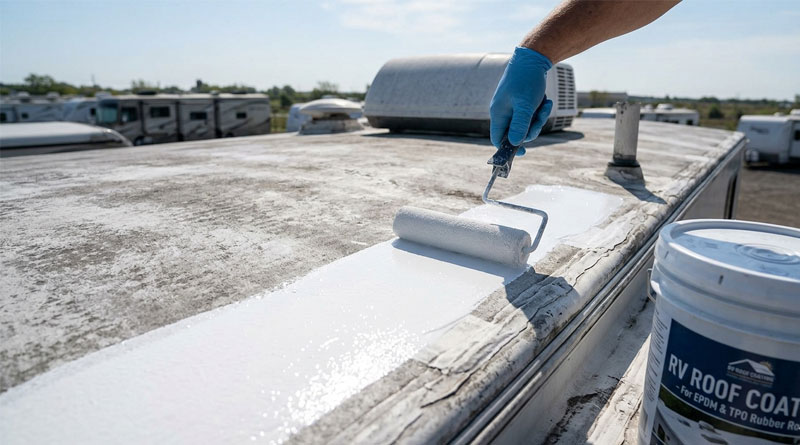
If your RV has a rubber roof, keeping it sealed and protected is a must. Over time, sun, rain, and dirt can cause cracks and leaks. A good roof coating acts like a strong shield, stopping water damage and saving you from costly repairs. This article reviews the best RV roof coatings for rubber roofs, comparing easy-to-use products that last long and resist peeling. Find the right coating to keep your home on wheels safe and dry.
1. Kohree 100% Silicone RV Roof Coating

- Formula: 100% Silicone
- Primer: Not needed for most surfaces
- Coverage: Approx. 30 sq ft/gallon
- Application: Brush, roller, or sprayer
The Kohree 100% Silicone RV Roof Coating provides a robust and flexible solution for extending the life of your camper. Its advanced silicone formula creates a durable, rubberized surface that seals leaks while offering excellent solar reflectivity. This helps reduce interior temperatures and protects against UV damage on EPDM, TPO, and metal surfaces.
The application is efficient since it typically requires no primer. The upgraded packaging features a larger opening and an aluminum inner bag to simplify storage and reuse. Its low-odor, non-toxic formula makes it a safe choice for DIY maintenance. With high flexibility, it moves with your RV to prevent future cracks and leaks.
- Pros: Excellent heat reflectivity; No primer needed; Permanent waterproof seal.
- Cons: Requires 2-3 thick coats; Low coverage per gallon.
2. Countryman Coatings

- Formula: 100% Silicone
- Primer: Not required for most situations
- Reflectivity: Blocks nearly 90% UV rays
- Coverage: 55 sq ft per gallon
Countryman Coatings offers a high-performance restoration solution designed to seal leaks, cracks, and seams in a single pass. This American-made product is famous for its “one-and-done” approach, saving significant labor time compared to multi-coat alternatives. It adheres strongly to EPDM, TPO, and metal roofs without needing a separate primer.
The industry-leading reflectivity blocks almost 90% of UV rays, which can lower cooling costs by up to 20%. This makes the RV interior noticeably cooler during peak summer months. By creating a seamless waterproof barrier, it protects the substrate from degradation and environmental wear, ensuring long-term durability for various roof types.
- Pros: High UV reflectivity; One-coat application; Strong adhesion to all surfaces.
- Cons: 4.75-gallon pail size; Higher initial cost for large pails.
3. Ziollo RV Roof Sealant

- Formula: 100% Silicone liquid rubber
- Primer: Not needed (except for TPO)
- Temperature Reduction: Up to 15°F
- Coverage: 60 sq ft per gallon
The Ziollo RV Roof Sealant is a premium liquid rubber solution that prioritizes ease of use and thermal efficiency. Its self-leveling formula creates a permanent waterproof layer on EPDM, metal, and fiberglass. Because it is highly reflective, it can drop interior temperatures by 15 degrees, enhancing comfort during summer travel.
This coating is engineered for maximum flexibility, allowing it to withstand extreme temperature swings without cracking. While TPO roofs require a specific primer, most other surfaces are ready for application after a simple cleaning. The brand also offers a 10-year warranty, providing peace of mind for owners looking for a long-term maintenance solution.
- Pros: One-coat application; Significant cooling effect; Flexible anti-cracking formula.
- Cons: TPO requires primer; Requires full system for best results.
See the Ziollo RV Roof Sealant
4. AMES RESEARCH LABORATORIES Coating

- Type: Elastomeric acrylic, rubberized
- Elongation: 650%
- Light Reflectivity: 88%
- VOC: Low VOC, eco-friendly
This high-performance elastomeric acrylic sealant stands out due to its incredible 650% elongation capacity. This allows the coating to stretch and contract along with the RV roof as temperatures change, preventing the peeling and cracking seen in rigid products. It works effectively on metal, tar, and rolled roofs.
The bright white finish provides 88% reflectivity, dramatically reducing surface heat and lowering cooling expenses. This eco-friendly, water-based formula is non-toxic and easy to apply with basic tools like rollers or sprayers. It is a reliable, made-in-the-USA choice for those who need a heavy-duty sealant that remains flexible under extreme conditions.
- Pros: Exceptional stretch prevents cracks; High reflectivity; Eco-friendly formula.
- Cons: Acrylic rather than silicone; Best for low-slope roofs.
See the AMES RESEARCH LABORATORIES Coating
5. Liquid Rubber RV Roof Sealant

- Type: Elastomeric, water-based
- Application Temp: 50°F-90°F
- Coverage: 50 sq ft per gallon
- Warranty: 10 years of protection
Liquid Rubber RV Roof Sealant provides a professional-grade waterproof membrane that is highly effective on EPDM, TPO, and fiberglass. This water-based, zero-VOC coating is environmentally friendly and safe for DIY users. It creates a seamless, solar-reflective barrier that helps protect against UV degradation and persistent leaks.
To achieve the best results, the manufacturer recommends a three-step system including cleaning and priming, especially for EPDM surfaces. Once applied, the membrane remains flexible across varying temperatures, ensuring a decade of protection. It is an excellent choice for those seeking an eco-conscious product that delivers heavy-duty, commercial-quality results on recreational vehicles.
- Pros: Zero VOC and eco-friendly; Extremely flexible membrane; 10-year durability.
- Cons: Requires primer for EPDM/TPO; Multi-step system required.
See the Liquid Rubber RV Roof Sealant
6. BEEST RV Roof Coating

- Type: Flexible liquid rubber
- Coverage: 50 sq ft per gallon
- Cure Time: 48 hours
- VOC: Ultra-low VOC, solvent-free
The BEEST RV Roof Coating is a versatile liquid rubber sealant engineered for superior solar reflectivity and waterproofing. This elastomeric formula is highly UV-resistant, preventing rain and sun from damaging the roof substrate. It is designed to withstand extreme thermal shifts, providing consistent year-round protection for trailers and campers.
The DIY-friendly application involves cleaning the surface and applying two coats with a four-hour wait in between. While EPDM roofs require a primer for optimal adhesion, the final result is a strong, seamless seal. Made in the USA, this solvent-free coating is an environmentally responsible option that effectively stops leaks while keeping the interior cool.
- Pros: Withstands extreme temperatures; UV-resistant and flexible; Eco-friendly formula.
- Cons: Primer mandatory for EPDM; Requires multiple coats.
7. HENG’S Industries Rubber Roof Coating

- Primary Use: EPDM rubber roofs
- Resistance: UV and impact resistant
- Flexibility: Expands and contracts
- Environmental: Non-polluting and non-toxic
HENG’S Industries Rubber Roof Coating is specifically tailored for EPDM rubber roofs, making it a go-to choice for classic RV maintenance. Its formula is highly UV-resistant, shielding the roof from the sun damage that causes chalking and degradation. The coating expands and contracts effortlessly with the roof’s movement, ensuring the seal remains intact.
In addition to full-roof coverage, this product is excellent for detailing seams, vents, and air conditioning units. The non-toxic, non-polluting formula is safe to use and environmentally conscious. While it is highly focused on rubber roofs, its impact resistance and durability make it a reliable solution for extending the life of your motorhome’s exterior.
- Pros: Specialized for EPDM roofs; High impact resistance; Great for sealing seams.
- Cons: Limited technical specifications; Not ideal for all roof types.
See the HENG’S Industries Coating
How to Choose RV Roof Coating for Rubber Roofs
Maintaining an RV rubber roof is one of the most critical tasks for any motorhome or travel trailer owner. Most modern RVs utilize EPDM (Ethylene Propylene Diene Monomer) or TPO (Thermoplastic Polyolefin) membranes. While these materials are durable, they are constantly exposed to harsh UV rays, extreme temperature fluctuations, and environmental debris. Over time, the rubber can become chalky, brittle, or develop pinhole leaks. Applying a high-quality roof coating can extend the life of your roof by decades, improve energy efficiency, and prevent costly water damage.
Choosing the right coating, however, is not as simple as picking a bucket off the shelf. You must consider material compatibility, application requirements, and the specific climate where you travel. This guide will walk you through the essential factors to consider when selecting an RV roof coating for your rubber roof.
Understanding Your Rubber Roof Type
Before you purchase a coating, you must identify whether you have an EPDM or TPO roof. This is the most common mistake made by DIYers, and using the wrong product can lead to poor adhesion or even damage to the membrane.
EPDM (Ethylene Propylene Diene Monomer)
EPDM is a true rubber membrane. It is typically very flexible and has been the industry standard for years. You can identify EPDM by its tendency to “chalk” (leaving a white residue on your hands when touched) and the fact that it usually has a dark gray or black underside. EPDM roofs require coatings that are specifically designed to bond with real rubber. Some coatings require a specialized primer to prevent the oils in the EPDM from bleeding through the new topcoat.
TPO (Thermoplastic Polyolefin)
TPO is a blend of polypropylene and ethylene-propylene rubber. It usually has a glossy look and does not chalk like EPDM. It often feels more like plastic than rubber. TPO is notoriously difficult to bond with because it is “low surface energy” material. If you have a TPO roof, you must ensure the coating is labeled for TPO use, and in almost every case, a dedicated TPO primer is mandatory to ensure the coating doesn’t peel off in sheets later.
Types of RV Roof Coatings
There are several different chemical formulations available for roof restoration. Each has its own set of advantages and drawbacks regarding durability, cost, and ease of application.
Silicone Coatings
Silicone is currently considered the gold standard for RV roof restoration. Products like those from Kohree or Countryman Coatings are 100% silicone, meaning they do not contain solvents or water that evaporate during the curing process. Silicone is naturally inorganic, which means it does not break down under UV light. It is also the best material for “ponding water”—areas where water sits for long periods without draining. Silicone remains flexible for the life of the product, moving with the RV as it travels down the road. However, once you apply silicone, nothing else will stick to it except more silicone, so future repairs must use the same material.
Acrylic and Elastomeric Coatings
Acrylic coatings are water-based and generally more affordable than silicone. They are easy to apply and clean up with soap and water. High-quality elastomeric acrylics, like the Ames Maximum-Stretch formula, offer incredible elongation—often up to 650%. This allows the coating to stretch without cracking. The downside to acrylic is that it is sensitive to standing water and can eventually re-emulsify or peel if water sits on the roof for too long. They also require more frequent reapplications compared to silicone.
Urethane and Liquid Rubber
Urethane coatings are incredibly tough and impact-resistant. They are excellent for roofs that might see foot traffic or contact with tree branches. Liquid rubber coatings provide a thick, seamless membrane that mimics the original factory roof. These often require a multi-step process involving a cleaner, a primer, and multiple layers of the coating to achieve the necessary dry-film thickness.
Key Factors to Evaluate
Once you know your roof type and the chemical base you prefer, you should evaluate products based on these four technical pillars.
1. Elongation and Tensile Strength
An RV is essentially a rolling earthquake. As you drive, the chassis twists and the roof membrane expands and contracts with the heat. You need a coating with high elongation. Look for products that offer at least 200% to 600% elongation. This ensures that when the roof moves, the coating stretches rather than snapping or delaminating from the seams.
2. Solar Reflectivity
One of the secondary benefits of a roof coating is temperature control. Most coatings come in “Brilliant White.” This isn’t just for aesthetics; high-quality coatings can reflect up to 90% of UV rays. This can reduce the surface temperature of your roof by 50 degrees or more, which translates to a much cooler interior and less strain on your air conditioning unit. Look for the “Solar Reflective Index” (SRI) or UV reflectivity percentage in the product specs.
3. Solids Content
Solids content refers to how much material is left on the roof after the coating dries. A product with 50% solids will lose half its volume to evaporation, meaning a thick wet layer becomes a thin dry layer. 100% silicone coatings have the highest solids content, meaning what you apply is what stays. This usually allows for a “one-coat” application, whereas water-based products often require two or three coats to reach the desired thickness.
4. VOC Levels and Environmental Impact
Volatile Organic Compounds (VOCs) are the chemicals that off-gas as a coating cures. If you are sensitive to smells or are applying the coating in a closed garage, look for “Low VOC” or “Solvent-Free” labels. Silicone and water-based acrylics are typically lower in VOCs than traditional solvent-based urethanes.
Application Considerations
Even the best coating will fail if the application process is flawed. When choosing a coating, consider your own skill level and the tools you have available.
Primer vs. No-Primer
Some modern silicone coatings claim “no primer needed.” While this saves time and money, it usually applies to roofs in relatively good condition. If your rubber roof is old, extremely chalky, or has been previously patched with various sealants, a primer is almost always a good insurance policy to ensure a permanent bond.
Coverage Rates
Always read the fine print on coverage. Some brands list coverage for a single coat, while others list the coverage required to meet the warranty specifications. For example, a gallon that covers 100 square feet in one coat might actually require two gallons to reach the manufacturer’s recommended thickness. Calculate your roof’s square footage (Length x Width) and always buy 10-15% more than you think you need to account for spills and thick application at the seams.
Conclusion
Choosing the right RV roof coating is an investment in the longevity of your vehicle. If you want a “forever” fix and have the budget, 100% silicone is the superior choice for its UV resistance and ponding water protection. If you are looking for an economical way to refresh a roof and don’t mind reapplying every few years, a high-stretch elastomeric acrylic is a great alternative. Regardless of your choice, the secret to success lies in the preparation: clean the roof thoroughly, identify your membrane type correctly, and apply the product during a window of clear, dry weather. A well-coated roof will keep you dry and cool for many miles to come.