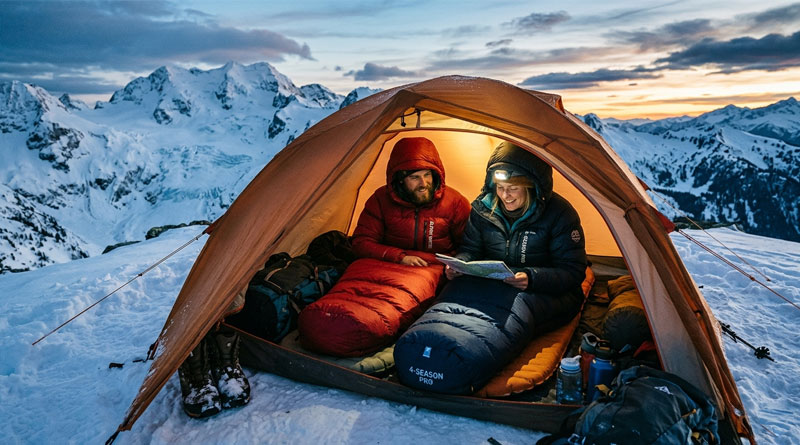
When you love camping in spring, summer, fall, or even winter, you need a sleeping bag that works all year long. The best 4-season sleeping bags keep you cool when it’s warm and cozy when it’s freezing. They’re built tough, block wind, and trap heat without making you sweat. In this guide, we’ll show you top picks that handle rain, snow, or sunshine—so you sleep well no matter the weather.
1. Sea to Summit Spark 0

- Best Use: Backpacking
- Temperature Rating: 0°F / -18°C (ISO Lower Limit)
- Weight: 2 lbs 7.3 oz (Regular)
- Fill: 850+ fill-power goose down
This sleeping bag delivers exceptional warmth without the extra bulk, making it a favorite for serious backpackers and ultralight enthusiasts. The 10-denier nylon shell is impressively thin yet sheds wind and condensation effectively. With a compressed volume of just 9.9 liters, it disappears into your pack, leaving room for other gear. The mummy shape fits snugly up to 72.5 inches in the regular size, and the left-side zipper placement feels natural for most users.
On cold nights, the water-resistant down maintains loft even in damp conditions, which is a game-changer. The 14°F comfort rating means you will sleep well in typical winter conditions, though pushing to 0°F requires good layering. The 20-liter stuff sack is generous for quick packing, but you can compress it much smaller for travel. Overall, this bag balances weight and warmth brilliantly for alpine missions.
- Pros: Extremely lightweight, excellent compressibility, high-quality 850+ down, great for ultralight backpacking.
- Cons: Expensive, thin shell requires careful handling, not ideal for wide shoulders.
2. rioyalo Winter Sleeping Bag
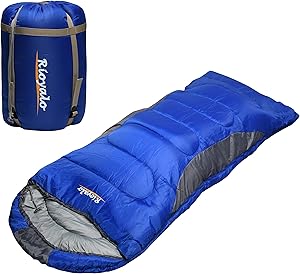
- Temperature Rating: 5°F to 32°F (Comfort: 32°F, Extreme: 5°F)
- Weight: 5 lbs
- Fill: 450GSM microfiber
- Packed Size: 15.6″ tall x 7.6″ round
The rioyalo Winter Sleeping Bag offers an impressive balance of comfort and value for cold-weather campers. Measuring 7.2 feet long and 2.6 feet wide, it easily accommodates users up to 6’10”, making it one of the more spacious options in its class. The 190T Pongee lining feels silky against the skin, and the 210T ripstop polyester shell adds durability without excessive weight. The included compression sack with straps makes transport simple, and the wind buffer design effectively prevents heat loss through the zipper.
While the 5-pound weight is heavier than premium down bags, the machine-washable construction and affordable price point make up for it. The anti-pinch grosgrain ribbon prevents zipper snags, a thoughtful touch for cold fingers. For three-season use or mild winter camping, this bag delivers reliable comfort. Just remember to fluff it thoroughly before each use to achieve full loft. The extreme 5°F rating is best combined with a quality sleeping pad and warm layers.
- Pros: Roomy for tall users, machine washable, durable ripstop shell, good value for cold weather.
- Cons: Heavy for backpacking, temperature ratings vary by individual, bulky when packed.
See the rioyalo Winter Sleeping Bag
3. Mountain Hardwear Bishop Pass 0

- Best Use: Backpacking
- Temperature Rating: 0°F / -18°C (ISO Lower Limit)
- Weight: 3 lbs 2.1 oz (Regular Left Zip)
- Fill: 650-fill-power fluorine-free down
Mountain Hardwear designed the Bishop Pass 0 for cold-weather backpackers who want reliable warmth without breaking the bank. The 20-denier ripstop nylon shell stands up to rugged use, while the 30-denier plain weave lining adds durability and comfort. With a compressed volume of 11.3 liters for the regular size, this bag packs down reasonably well for its warmth rating. The mummy shape fits up to 72 inches, and the 62-inch shoulder girth provides adequate room for most average-built sleepers.
The fluorine-free down insulation is an eco-friendly touch that still delivers solid thermal performance. At 3 pounds 2 ounces, it is heavier than premium ultralight options but offers better durability and a lower price point. The tested comfort rating of 13°F means you will stay cozy in most winter conditions, and the left-side zipper placement works well. For weekend backpacking trips or basecamp use, this bag hits a sweet spot between weight, warmth, and value.
- Pros: Durable shell and lining, eco-friendly down, good value for 0°F rating, reliable warmth.
- Cons: Heavier than premium down bags, 650 fill power is modest, stuff sack is bulky.
See the Mountain Hardwear Bishop Pass 0
4. Teton Sports Trailhead

- Fill Material: Microfiber insulation
- Shape: Roomy footbox design
- Includes: Stuff sack for stuffing
- Features: Zipper draft tube, hang loops
The Teton Sports Trailhead focuses on comfort and convenience for campers who want an easy-to-use bag without complicated features. The innovative microfiber fill packs down impressively while maintaining loft, and the roomy footbox gives your feet space to move naturally. Teton’s unique stuff sack system eliminates rolling—you simply stuff the bag from the bottom, saving time and frustration at camp. The soft liner feels great against the skin, and the zipper draft tube effectively blocks cold air from seeping through.
For best results, Teton recommends fluffing the bag before each use and pairing it with an insulated camp pad to maximize warmth. The hang loops are a thoughtful addition for long-term storage, keeping the insulation loft intact. While specific temperature ratings aren’t listed, this bag works well for three-season camping. The lightweight design makes it suitable for backpacking and hiking, though serious winter expeditions may require a heavier bag. Overall, a solid choice for casual outdoor enthusiasts.
- Pros: Easy stuffing design, roomy footbox, soft liner, hang loops for storage.
- Pros: (continued) Lightweight for backpacking, good value.
- Cons: No official temperature rating, not for extreme cold, basic features.
See the Teton Sports Trailhead
5. Coleman Heritage
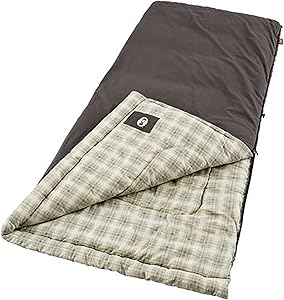
- Temperature Rating: 10°F (cold-weather ready)
- Dimensions: 84″ x 40″ (fits up to 6’5″)
- Insulation: 5 lbs of Holofill 808
- Liner: Synthetic flannel
The Coleman Heritage is a beast of a sleeping bag built for serious cold-weather camping. Measuring a generous 84 by 40 inches, it comfortably fits big and tall users up to 6’5″ with plenty of room to move. The 5 pounds of Holofill 808 insulation retains body heat even when temperatures drop to 10°F, making it a true four-season option. The heavy-duty cotton cover provides durability, while the synthetic flannel liner adds a cozy, home-like feel that is surprisingly soft for a rugged bag.
Coleman includes smart features like the no-snag patented zipper and FiberLock technology to prevent insulation shifting over time. The Wrap ‘N’ Roll storage system makes packing easier than traditional rolling methods. At 84 inches long, this bag is ideal for taller campers who struggle to fit in standard sizes. The 5-year limited warranty gives peace of mind. The main trade-off is weight and bulk—this is not a backpacking bag, but for car camping or basecamp use, it is fantastic.
- Pros: Very warm at 10°F rating, huge size for tall users, durable cotton cover, machine washable.
- Cons: Extremely heavy and bulky, not for backpacking, flannel liner can feel heavy.
6. HiZYNICE Cold Weather Sleeping Bag

- Temperature: Extreme 0°F / Limit 15°F / Comfort 30°F
- Dimensions: 90″ x 39″ (fits up to 6’7″)
- Lining: 100% cotton flannel
- Features: Anti-snag zipper, draft tube
The HiZYNICE Cold Weather Sleeping Bag combines a classic flannel interior with modern features for comfortable camping in three seasons. The 90 by 39-inch size is exceptionally long, accommodating campers up to 6’7″ and side sleepers who need extra room. The 100% cotton flannel lining feels soft and warm against the skin, while the waterproof shell protects you from damp ground conditions. The anti-snag zipper can be opened from inside or outside and even unzips at both top and bottom for customizable ventilation.
The draft tube along the zipper effectively traps body heat, helping you reach the 15°F limit rating comfortably. A nice bonus is the ability to zip two bags together (left and right zipper versions) to create a double sleeping bag for couples. You can also fully open the bag to use as a mat. Machine washable on gentle cycle, this bag is easy to maintain. While the extreme 0°F rating is optimistic, it works well for typical winter camping with proper ground insulation.
- Pros: Very long for tall users, soft cotton flannel lining, dual zipper openings, can zip two together.
- Cons: Bulky when packed, extreme rating optimistic, heavier than down alternatives.
See the HiZYNICE Cold Weather Sleeping Bag
7. Coleman Brazos

- Temperature Rating: 30°F
- Dimensions: 75″ x 33″ (fits up to 5’11″)
- Features: Thermolock draft tube, Fiberlock construction
- Includes: Stuff sack, no-snag zipper
The Coleman Brazos is a reliable three-season sleeping bag designed for campers up to 5 feet 11 inches tall. The 30°F temperature rating makes it perfect for spring, summer, and fall camping trips where temperatures dip but don’t plummet. The Thermolock draft tube runs along the zipper to prevent body heat from escaping, a feature often missing in budget bags. Fiberlock construction keeps the insulation from shifting and creating cold spots, even after repeated use and washing.
Packing is straightforward with fasteners that lock the bag in place as you roll, plus the included stuff sack for storage. The no-snag zipper lives up to its name, gliding smoothly without catching the fabric. For couples or families, you can zip two bags together to create a double-wide sleeping arrangement. At 75 by 33 inches, this bag fits average-sized adults comfortably but may feel snug for broader shoulders. Overall, the Brazos offers excellent value for casual campers.
- Pros: Affordable price, Thermolock draft tube prevents heat loss, no-snag zipper, can zip two together.
- Cons: Only rated to 30°F, narrow width, short for taller users.
8. JEAOUIA Sleeping Bag

- Temperature Range: 50°F-68°F (Limit: 41°F)
- Dimensions: 31.5″ x 86.6″ (fits up to 5’11″)
- Weight: 3.3 lbs
- Shell/Lining: Polyester shell / Pongee lining
The JEAOUIA Sleeping Bag is a lightweight, budget-friendly option for warm-weather camping and indoor use. Designed for temperatures between 50°F and 68°F, this bag is ideal for summer camping trips, sleepovers, or as an emergency blanket in your vehicle. The waterproof and breathable polyester shell keeps you dry from condensation or damp ground, while the soft Pongee lining feels comfortable against the skin. At 3.3 pounds, it is light enough for kids or adults to carry on short hikes.
Thoughtful design elements include a drawstring hood to keep your head warm and a foot zipper that allows you to vent heat on warmer nights. The compressed packing size of 7.9 by 14.2 inches fits easily into backpacks or duffel bags. While the 41°F limit rating means it can handle cooler nights, this bag truly shines in mild conditions. It wipes clean easily and resists moisture well. For the price, it serves its purpose admirably for casual camping, summer camp, or couch surfing.
- Pros: Very lightweight and compact, waterproof shell, foot vent zipper, affordable price.
- Cons: Not for cold weather, limited to warm temperatures, basic insulation.
9. Teton Sports LEEF

- Temperature Options: 0°F, 20°F, or 30°F ratings
- Shape: Roomier mummy design
- Includes: Compression sack
- Best Use: Ultralight backpacking
The Teton Sports LEEF is an ultralight sleeping bag designed for adults who want comfort without the bulk on the trail. The roomier mummy shape gives you more movement space than traditional mummy bags while still packing down efficiently with the included compression sack. You can choose from three temperature ratings—0°F, 20°F, or 30°F—and three different sizes to match your body type and camping conditions. This versatility makes the LEEF a smart choice for backpackers who camp in varied climates.
The efficient insulation provides reliable warmth without excessive weight, and the bag packs easily into your hiking backpack. Teton Sports stands behind their product with responsive customer support. While the LEEF may not match the ultralight performance of premium down bags costing three times as much, it delivers excellent value for budget-conscious backpackers. For weekend trips and shorter hikes, this bag hits a sweet spot. Just be sure to pair it with a quality sleeping pad for best thermal performance.
- Pros: Multiple temperature and size options, includes compression sack, ultralight design, roomier mummy shape.
- Cons: Not as compressible as premium bags, basic materials compared to high-end options.
10. ZOOOBELIVES Down Sleeping Bag

- Fill: 35 oz of 550+ fill power down
- Temperature: Comfort 32°F / Lower 10°F / Extreme 0°F
- Shell: 20D ripstop nylon
- Dimensions: 83″ x 31″ x 20″ (packs to 10″x7″x15″)
The ZOOOBELIVES Down Sleeping Bag brings real down insulation to budget-conscious campers who want warmth without the premium price tag. Filled with 35 ounces of 550+ fill power down, this bag provides reliable warmth for crisp fall nights, scout campouts, and hunting weekends. The 20D ripstop nylon shell stands up to real outdoor use, while the YKK anti-snag zipper operates smoothly even in cold conditions. The contoured mummy hood includes separate hood and neck drawcords, plus a face draft collar to seal out cold air.
Insulated draft tubes, flexible core baffles, and an anatomic 3D foot box work together to reduce heat loss and eliminate cold spots. The roomy 83 by 31-inch size gives you space to change positions comfortably. When it is time to pack up, the bag compresses down to 10 by 7 by 15 inches, and the compression straps cinch it even smaller. Left and right zipper options let two bags zip together into a double. For campers wanting real down without the sticker shock, this is a solid choice.
- Pros: Real down insulation at budget price, packs down well, YKK zipper, can zip two together.
- Cons: Lower 550 fill power, extreme rating optimistic, heavier than premium down bags.
See the ZOOOBELIVES Down Sleeping Bag
Mastering the Cold: A Comprehensive Guide to 4-Season Sleeping Bags
For most campers, a sleeping bag is a cozy cocoon designed for mild summer nights or the crisp air of autumn. However, for those who venture into the high alpine, embark on winter expeditions, or find themselves camping in sub-zero temperatures, a standard bag is insufficient. This is where the 4-season sleeping bag becomes an essential piece of survival equipment. Despite the name, a 4-season bag is rarely used in the summer; it is a specialized tool engineered specifically to retain body heat when the environment is trying its hardest to take it away.
Defining the 4-Season Sleeping Bag
The primary distinction between a 3-season and a 4-season bag lies in its temperature rating and construction. While a 3-season bag is generally rated for temperatures down to 20°F (-6°C), a 4-season bag is designed for conditions ranging from 15°F to -40°F and beyond. These bags are characterized by heavy-duty insulation, windproof shells, and specialized architectural features designed to eliminate “cold spots.”
Insulation Types: Down vs. Synthetic
The heart of any sleeping bag is its insulation, often referred to as “loft.” In 4-season bags, the choice between down and synthetic materials is critical because the stakes are higher in extreme cold.
Down Insulation
Down consists of the fluffy under-feathers of ducks or geese. It is the gold standard for 4-season bags due to its incredible warmth-to-weight ratio. High-quality down (measured by “fill power,” usually 800 or above for winter bags) creates thousands of tiny air pockets that trap heat. The main advantage of down is its compressibility; a massive winter bag can be stuffed into a relatively small sack for backpacking. However, down loses its insulating properties if it gets wet, which can be a significant risk in snowy or high-condensation environments.
Synthetic Insulation
Synthetic insulation is made of polyester fibers designed to mimic down. The primary benefit of synthetic bags is their ability to insulate even when damp. They are also generally more affordable and hypoallergenic. The trade-off is weight and bulk; a synthetic bag rated for -20°F will be significantly heavier and take up much more room in a backpack than its down counterpart.
Key Anatomical Features of Winter Bags
When temperatures drop below freezing, heat loss occurs through radiation, conduction, and convection. A 4-season bag is built with specific features to combat these processes.
Draft Collars and Face Mufflers
A draft collar is an insulated tube of fabric located around the neck area. When cinched, it prevents warm air from escaping the bag when you move and stops cold air from being sucked in. Similarly, a face muffler or “plow” is an extra thick ring of insulation around the hood opening that protects the nose and mouth from frostbite while providing a seal against the elements.
Insulated Draft Tubes
Zippers are the weakest link in a sleeping bag’s thermal defense. To prevent cold air from leaking through the zipper teeth, 4-season bags feature a thick, insulated draft tube that runs the entire length of the zipper on the inside. Higher-end bags may even feature dual draft tubes that overlap for maximum protection.
The Trapezoidal Foot Box
In extreme cold, your feet are often the first part of the body to suffer. 4-season bags often feature a flared or “trapezoidal” foot box. This design provides enough room for your feet to rest in a natural position without pressing against the insulation. If your feet compress the insulation, the “loft” disappears, and cold will seep in from the ground.
The Importance of Construction: Baffles
How the insulation is held in place matters just as much as what the insulation is. In cheaper bags, “stitch-through” construction is common, but this creates needles holes where heat escapes. 4-season bags use “box baffles.”
Box baffles use internal walls of fabric to create individual chambers for the down. This allows the down to loft fully and prevents it from shifting or clumping, which would create cold spots. Some advanced bags use “V-block” or “trapezoidal” baffles, which are even more complex and effective at keeping insulation perfectly distributed over the body’s core.
Understanding Temperature Ratings
The EN (European Norm) or ISO (International Organization for Standardization) ratings are the industry standard. However, these ratings assume the sleeper is using a high-quality sleeping pad and wearing thermal base layers.
Comfort vs. Limit Ratings
The “Comfort” rating is the temperature at which a “standard woman” can expect to sleep comfortably. The “Limit” (or Lower Limit) is the temperature at which a “standard man” can sleep for eight hours without waking. For 4-season use, it is always safer to choose a bag with a comfort rating that matches the lowest expected temperature of your trip. It is much easier to vent a bag that is too warm than it is to generate extra heat in a bag that is too cold.
The Sleeping System Approach
A 4-season sleeping bag does not work in a vacuum; it is part of a “sleep system.” Even the most expensive bag will fail if the user ignores the other components of winter camping.
The Role of the Sleeping Pad
The ground conducts heat away from the body much faster than the air does. Because your body weight compresses the insulation underneath you, you rely almost entirely on your sleeping pad for warmth from below. In winter, look for a pad with an R-value of 5.0 or higher. Many winter campers stack a closed-cell foam pad underneath an inflatable insulated pad for maximum thermal resistance.
Clothing and Hydration
Going to bed cold will result in a cold night. It is a misconception that you should sleep naked in a sleeping bag; wearing clean, dry thermal layers helps the bag retain heat. Additionally, the body requires calories to produce heat. Eating a high-fat snack before bed and staying hydrated helps the metabolism maintain core temperature throughout the night.
Maintenance and Storage
To ensure a 4-season bag lasts for decades, proper care is required. You should never store a sleeping bag in its compressed “stuff sack” for long periods. This crushes the feathers or fibers and permanently reduces the loft. Instead, store it in a large, breathable cotton or mesh laundry bag in a dry place.
When cleaning, use a specialized technical wash rather than standard detergent, which can strip the natural oils from down. Always tumble dry on very low heat with clean tennis balls to “fluff” the insulation back into its original state.
Conclusion
Investing in a 4-season sleeping bag is an investment in safety and access. It transforms the winter wilderness from a hostile environment into a place of quiet beauty and solitude. By understanding the nuances of insulation, baffle construction, and the importance of a complete sleep system, you can ensure that even when the mercury drops well below zero, you will remain warm, rested, and ready for the next day’s adventure.