When you’re hitting the trail on a warm day, the last thing you want is sweaty, sticky legs. That’s where breathable hiking pants come in. Designed to let air flow while wicking away moisture, they keep you cool and comfy from the first mile to the last. In this guide, we’ve rounded up the best options that balance airflow, durability, and fit—so you can hike longer without overheating.
1. REI Co-op Trailmade

- Fabric: 96% nylon / 4% spandex (bluesign approved)
- UPF Rating: 50+
- Weight: 11.6 ounces
- Inseam Options: 30, 32, 34 inches
The REI Co-op Trailmade pants are a dependable choice for hikers who want lightweight protection without compromising on comfort. Built with a 96% nylon and 4% spandex blend, they offer just enough stretch for natural movement on uneven terrain. The water-repellent finish handles light rain and morning dew, while the UPF 50+ rating keeps sun exposure at bay during long trail days.
At just 11.6 ounces, these pants are easy to pack and barely noticeable on the trail. The straight-leg fit works well across a range of body types, and multiple pocket placements keep essentials within reach. Whether you’re tackling a day hike or exploring new terrain, the Trailmade delivers solid all-around performance at a reasonable price point.
- Pros: Lightweight, UPF 50+ protection, water-repellent, bluesign approved fabric
- Cons: Not convertible, limited stretch compared to 4-way stretch alternatives
See the REI Co-op Trailmade See the Women’s Trailmade
2. Moosehill Men’s Convertible Pants

- Pockets: 5 total — 2 front, 2 side, 1 zippered rear
- Waistband: Elastic with snap/zipper closure and belt loops
- Stretch: Lightweight 4-way stretch fabric
- Feature: Zip-off convertible design with L/R labeled zippers
The Moosehill Men’s Convertible Pants are designed with practicality in mind, offering five well-placed pockets capable of fitting a 6.5-inch phone along with trail essentials. The 4-way stretch fabric provides freedom of movement across rugged terrain, while the water-resistant coating handles light precipitation without adding bulk. Reinforced knees add durability where it matters most during technical hikes.
Converting from pants to shorts is quick and straightforward thanks to clearly labeled L/R zippers that eliminate fumbling on the trail. The elastic waistband with snap/zipper closure fits a variety of body types, and the adjustable hem toggle lets you switch between tapered and relaxed styles. These pants transition seamlessly from mountain trails to casual city wear.
- Pros: 5 secure pockets, easy zip-off conversion, 4-way stretch, adjustable hem
- Cons: Limited technical spec transparency, fewer fabric certifications listed
See the Moosehill Men’s Convertible Pants
3. Toomett Women’s Hiking Pants
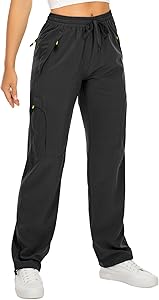
- Style: Capri with roll-up feature around the knee
- UPF Rating: 50+ built into stretch-woven fabric
- Pockets: 6 total — 2 front slant, 2 rear, 2 thigh cargo
- Waistband: Elastic for easy body-conforming fit
The Toomett Women’s Hiking Pants combine a capri silhouette with four-way stretch fabric that moves naturally with the body. The roll-up knee feature adds versatility, allowing quick ventilation adjustments during strenuous activity. Built-in UPF 50+ protection makes them a smart pick for sun-exposed trails, and the lightweight, quick-dry construction keeps you comfortable even on warm days.
Storage is a clear highlight with six thoughtfully positioned pockets, including two roomy thigh cargo pockets large enough for snacks, a phone, or a compass. The elastic waistband ensures a comfortable, adjustable fit without the need for a belt. These pants work well across seasons and are suitable for a wide variety of outdoor pursuits including hiking, camping, cycling, and travel.
- Pros: 6 pockets, roll-up capri design, UPF 50+, 4-way stretch
- Cons: Capri length not ideal for cooler conditions, limited inseam options
See the Toomett Women’s Hiking Pants
4. REI Co-op Sahara Convertible

- Fabric: 96% recycled nylon / 4% spandex (bluesign approved)
- UPF Rating: 50+
- Weight: 13.4 ounces
- Inseam Options: 27, 29, 31, 33, 35 inches (pants); 8–10 inches (shorts)
The REI Co-op Sahara Convertible pants are built for long days where conditions can shift unexpectedly. Side zippers allow conversion to shorts without removing your shoes, a small but genuinely useful feature on the trail. The recycled nylon fabric earns bluesign approval and carries UPF 50+ sun protection, making it both an eco-conscious and sun-safe choice for extended outdoor use.
At 13.4 ounces, these are slightly heavier than some competitors but remain comfortable for full-day wear. The wide range of inseam options — five lengths in both pants and shorts configurations — makes sizing straightforward for a variety of heights. Side cargo pockets provide ample storage, and the straight-leg fit accommodates most body types without feeling restrictive during active movement.
- Pros: Recycled fabric, 5 inseam options, shoe-on conversion, side cargo pockets
- Cons: Slightly heavier than comparable options, no tapered leg option
See the REI Co-op Sahara Convertible See the Women’s Sahara Convertible
5. KUHL Renegade Convertible – Men’s

- Fabric: 95% nylon / 5% spandex with PFC-free DWR finish
- UPF Rating: 50
- Weight: 1 lb. 2.5 oz.
- Shorts Inseam: 9.5 inches
KUHL’s Renegade Convertible pants are purpose-built for all-terrain use, offering rugged durability alongside a zip-off design that adapts to shifting temperatures and conditions. The PFC-free DWR finish provides water repellency without the environmental concerns associated with older fluorinated coatings. UPF 50 sun protection and quick-dry performance round out a feature set suited to demanding trail conditions.
The nylon-spandex blend strikes a good balance between toughness and flexibility, making these pants comfortable during both high-output climbs and relaxed trail walks. Side cargo pockets add storage capacity, and the standard straight-leg fit works well for most builds. While slightly heavier than some competitors, the Renegade Convertible earns its weight in durability and all-day wearability across varied outdoor environments.
- Pros: PFC-free DWR, UPF 50, convertible, side cargo pockets
- Cons: Heavier than most comparable pants, single shorts inseam option
See the KUHL Renegade Convertible
6. prAna Stretch Zion Convertible – Women’s

- Fabric: 97% nylon / 3% elastane
- UPF Rating: 50+
- Fit: Relaxed, mid-rise
- Shorts Inseam: 4 inches
The prAna Stretch Zion Convertible for women pairs UPF 50+ sun protection with abrasion-resistant fabric built to handle rugged terrain. The zip-off design converts to shorts in seconds, and the 4-inch shorts inseam keeps things comfortable and mobile during warm-weather hiking. Side cargo pockets provide practical storage, and the mid-rise, relaxed fit offers comfort across a range of body types without sacrificing mobility.
The nylon-elastane blend feels substantial without being heavy, offering durability that stands up to rocky trails and dense brush. The relaxed fit is a thoughtful choice for women who prefer room to move rather than a snug athletic silhouette. Whether you’re navigating switchbacks or setting up camp, this convertible pant handles varied trail conditions while remaining comfortable enough for extended wear throughout the day.
- Pros: UPF 50+, abrasion-resistant, relaxed mid-rise fit, zip-off convertible
- Cons: Single inseam option (32″), very short 4-inch shorts inseam may not suit all
See the prAna Stretch Zion Convertible
7. Outdoor Research Ferrosi

- Fabric: bluesign-approved 46% recycled nylon / 40% nylon / 14% spandex
- UPF Rating: 50
- Weight: 12.7 ounces
- Inseam Options: 30, 32, 34 inches
The Outdoor Research Ferrosi pants deliver an impressive blend of lightweight comfort and rugged durability thanks to a high-spandex fabric composition that moves freely on the trail. The bluesign-approved construction uses a significant proportion of recycled nylon, making this a more sustainable option for eco-minded hikers. UPF 50 protection and quick-dry performance make them equally capable in sunny and wet conditions.
At 12.7 ounces, the Ferrosi sits comfortably within the lightweight category without sacrificing the durability needed for demanding terrain. The straight-leg, standard fit offers a clean silhouette that works as well around town as it does on the trail. For hikers seeking a versatile everyday pant with solid technical credentials and responsible manufacturing, the Ferrosi makes a compelling and well-rounded choice.
- Pros: High spandex content for mobility, recycled materials, UPF 50, bluesign approved
- Cons: Not convertible, no cargo pockets listed
See the Outdoor Research Ferrosi See the Women’s Ferrosi
8. prAna Stretch Zion

- Fabric: 95% recycled nylon / 5% elastane
- UPF Rating: 50+
- Feature: Moisture wicking with side cargo pockets
- Inseam Options: 30, 32, 34 inches
The prAna Stretch Zion Standard is one of the most versatile hiking pants available, capable of moving seamlessly from office environments to outdoor trails without missing a beat. Built from 95% recycled nylon with elastane stretch, the Stretch Zion™ fabric delivers a refined combination of durability and comfort that holds up well over time. UPF 50+ sun protection and moisture-wicking performance make it trail-ready from the first wear.
Side cargo pockets add useful storage capacity without compromising the clean, standard straight-leg silhouette. The recycled nylon construction reflects prAna’s commitment to sustainability, giving environmentally conscious buyers a reason to choose this pant over less responsible alternatives. Whether you’re heading into a day of meetings or an afternoon on the trail, the Stretch Zion Standard adapts without drawing attention to the transition.
- Pros: Recycled fabric, UPF 50+, moisture wicking, office-to-trail versatility
- Cons: Not convertible, limited inseam range compared to some competitors
See the prAna Stretch Zion See the Women’s Zion Halle
9. Toomett Men’s Convertible Pants
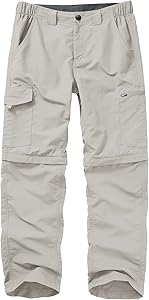
- Pockets: 6 total — 2 slash, 2 thigh cargo, 2 hook-and-loop rear
- UPF Rating: 50+
- Construction: Gusseted crotch, articulated knees, ripstop polyester
- Waistband: Partial elastic with belt loops and detachable webbing belt
Toomett’s Men’s Convertible Pants pack serious functionality into an accessible outdoor pant. Concealed knee zippers allow quick conversion from pants to shorts, while the ripstop polyester fabric and articulated knees provide durability and freedom of movement on rugged terrain. The UPF 50+ fabric blocks harmful UV rays effectively, and the quick-dry moisture transport system keeps you cool and dry during high-output activity.
Six pockets with mesh lining provide ample, breathable storage for trail essentials, and the detachable webbing belt offers a customizable fit beyond what the elastic waistband alone provides. The relaxed fit through the seat and thigh is comfortable for extended wear whether sitting, climbing, or walking. These pants strike a strong balance between practical features and everyday wearability across a wide range of outdoor activities.
- Pros: 6 pockets, UPF 50+, gusseted crotch, detachable belt included
- Cons: Relaxed fit may feel baggy for some, ripstop polyester less premium than nylon blends
See the Toomett Men’s Convertible Pants
10. Baleaf Women’s Hiking Pants

- UPF Rating: 50+ built-in
- Pockets: 4 zip-closure security pockets
- Inseam Options: Petite (27″), standard, and tall (31″)
- Features: Articulated knees, adjustable cord-lock cuffs
The Baleaf Women’s Hiking Pants stand out for their thoughtful sizing approach, offering petite and tall inseam options alongside the standard cut — a feature that makes a genuine difference for women outside the average height range. Built-in UPF 50+ protection keeps the sun at bay, and the lightweight, water-resistant, quick-dry construction is well suited to a variety of outdoor conditions across spring, summer, and fall.
Four zip-closure pockets secure valuables on the move, while articulated knees allow natural leg movement during climbs and descents. Adjustable cord-lock cuffs add a customizable touch that also keeps out insects on brushy trails. The elastic drawstring waist ensures a secure, comfortable fit, and the machine-washable design simplifies care after muddy or sweaty days on the trail. A reliable and practical option for a wide range of female hikers.
- Pros: Petite and tall sizing, UPF 50+, 4 zip pockets, cord-lock cuffs
- Cons: Not convertible, limited fabric composition details provided
See the Baleaf Women’s Hiking Pants
11. Cycorld Women’s Convertible Pants

- Wear Styles: 3-way convertible design
- Pockets: 5 total for trail essentials
- Waistband: Adjustable for customized fit
- Fabric: Lightweight moisture-wicking and breathable
The Cycorld Women’s Convertible Pants offer three distinct wearing configurations, making them one of the more flexible options in the women’s trail pant category. The moisture-wicking, breathable fabric keeps you comfortable during long hauls, and the lightweight construction is easy to pack and move in on extended outdoor days. Five pockets keep your essentials organized and accessible without adding unnecessary bulk to the silhouette.
The adjustable waistband provides a secure, flattering fit across different body types, and the overall design transitions naturally from trail to everyday wear. While technical specifications are lighter than some REI or KUHL counterparts, the Cycorld excels in versatility and value for hikers who want a multipurpose pant for hiking, camping, and casual use. A solid choice for women seeking flexibility without committing to a single pant style.
- Pros: 3-way wear options, 5 pockets, adjustable waist, lightweight and breathable
- Cons: Limited published technical specs, no UPF rating listed
See the Cycorld Women’s Convertible Pants
12. KUHL Renegade Recon

- Fabric: 170g Duralux — 95% nylon / 5% spandex
- UPF Rating: 50+
- Weight: 12 ounces
- Leg Style: Tapered with cuffed hem
The KUHL Renegade Recon brings a more refined aesthetic to the trail pant category with its tapered leg and cuffed hem, offering a noticeably cleaner silhouette than most straight-leg hiking alternatives. The 170g Duralux fabric is soft and stretchy while remaining water-resistant and quick-drying, making it a natural choice for hikers who want performance without sacrificing style. UPF 50+ protection and moisture-wicking capability cover the essential technical bases.
At 12 ounces, the Renegade Recon is among the lighter options in KUHL’s lineup, and the tapered cut keeps fabric from bunching around the ankles during technical movement. Multiple pockets provide adequate storage for trail essentials, and the standard fit through the seat and thigh is comfortable for most body types. For hikers who move between outdoor and urban environments, the Recon’s polished look makes the transition effortless.
- Pros: Tapered style, UPF 50+, moisture wicking, lightweight at 12 oz
- Cons: Not convertible, tapered fit may feel restrictive for some users
The Ultimate Guide to Choosing Breathable Hiking Pants
When hitting the trails, your choice of apparel can make or break your outdoor experience. While a high-quality pair of hiking boots protects your feet, your pants are responsible for protecting your legs from brush, insects, and unpredictable weather, all while regulating your body temperature. For warm-weather excursions, high-intensity climbs, or multi-day backpacking trips, breathability becomes the single most critical factor. Choosing the right breathable hiking pants requires a balance of fabric technology, design features, and fit. This comprehensive guide will break down everything you need to know to stay cool, dry, and comfortable on your next adventure.
Understanding Fabric Composition
The foundation of any breathable hiking pant lies in its material. Traditional cotton denim or heavy canvas traps moisture and heat, leading to chafing and discomfort. Modern outdoor apparel relies on synthetic blends engineered specifically for moisture management and airflow.
Nylon vs. Polyester
Nylon and polyester are the two primary synthetic fibers used in hiking pants. Nylon is exceptionally durable, highly resistant to abrasion from rocks and branches, and possesses a slightly smoother feel against the skin. However, nylon inherently absorbs a tiny amount of moisture compared to polyester. Polyester, on the other hand, is hydrophobic, meaning it repels water and dries incredibly fast. It is also inherently more resistant to UV rays. For maximum breathability, look for lightweight polyester blends, but if you frequently scramble over rough terrain, a lightweight, high-gauge nylon blend will offer better longevity.
The Role of Elastane and Spandex
To provide freedom of movement, manufacturers blend nylon or polyester with elastane (also known as spandex or Lycra). While elastane adds crucial stretch for high steps and steep inclines, it is heavier and retains more moisture than primary synthetics. For optimal breathability, aim for a composition with 4% to 12% elastane. Anything higher can compromise the pant’s ability to dry quickly and vent heat effectively.
Key Features That Enhance Airflow
Fabric tech can only do so much on its own. The structural design of the pants plays a massive role in how efficiently air circulates around your legs as you move.
Mechanical Ventilation and Thigh Vents
Some of the most breathable hiking pants on the market feature dedicated ventilation systems. Zippered mesh-lined vents, usually located along the outer thighs or inside the pockets, allow you to manually regulate your temperature. When dumping heat during a steep ascent, dumping these vents open creates an immediate chimney effect, pulling cool air in and pushing hot air out.
Mesh Pockets and Structural Backing
Pay attention to the pocket construction. Pants designed with mesh pocket bags double as secondary vents. Leaving your hand pockets unzipped creates additional exit points for trapped body heat. Conversely, solid fabric pocket linings create thick, non-breathable layers directly over your thighs, trapping sweat.
Convertible vs. Roll-Up Designs
Versatility is highly prized on the trail, especially when temperatures fluctuate wildly between chilly mornings and scorching afternoons.
The Pros and Cons of Convertible Pants
Convertible pants feature zippers just above the knee, allowing you to transform your pants into shorts in seconds. This offers the ultimate form of breathability, as removing the lower leg fabric entirely provides maximum exposure to the elements. The downside is the added weight and bulk of the zippers, which can sometimes chafe against the skin during long strides.
Roll-Up and Roll-Top Alternatives
For hikers who dislike the aesthetics or feel of zippers, roll-up pants are an excellent alternative. These pants feature integrated button tabs or elastic loops around the calf, allowing you to securely roll the cuffs up to your mid-calf or knee. While not as cool as true shorts, this design boosts airflow substantially while keeping the upper leg fully protected from UV rays and trail debris.
The Impact of Fit and Construction
How a pair of pants fits your body drastically alters its thermodynamic performance. A tight, aesthetic fit might look great in trail photos, but it hinders the garment’s performance.
Looser Fits and the Pumping Effect
A slightly relaxed or straight-leg fit is superior for breathability. As you walk, a looser pant leg acts like a bellows, creating a “pumping effect” that physically pushes warm, humid air out through the waist and cuffs while drawing fresher air inside. Skin-tight pants eliminate this microclimate layer, forcing sweat to saturate the fabric completely before it can evaporate.
Articulated Knees and Gusseted Crotches
Breathability is compromised if the fabric is constantly stretched taut against your skin. Articulated knees (pre-shaped fabric darts at the joint) and gusseted crotches (an extra diamond-shaped fabric panel) ensure the pants move with your anatomy. This prevents the fabric from binding, pulling, and trapping heat in high-friction zones.
Weather Resistance vs. Breathability
Finding the perfect hiking pant often requires balancing the conflicting forces of air permeability and weather protection.
Decoding DWR (Durable Water Repellent)
Most hiking pants come treated with a DWR coating to shed light rain and dew. While DWR does not completely block airflow, heavy or multi-layered coatings can diminish a fabric’s inherent breathability. If you primarily hike in hot, arid climates like deserts or dry mountain trails, seek out pants labeled as “highly air-permeable” that omit or minimize DWR coatings to maximize pure airflow.
Sun Protection (UPF Ratings)
A high Ultraviolet Protection Factor (UPF) is non-negotiable for exposed alpine or desert trekking. Fortunately, a tight fabric weave provides excellent UPF protection without relying on heavy coatings. Lightweight, tightly woven synthetic fabrics can achieve UPF 50+ ratings while remaining incredibly thin and highly breathable.
Testing for Breathability Before You Buy
If you are shopping in a physical retail store, there are two quick field tests you can perform to evaluate a pant’s breathability before heading to the register.
The Breath Test
Take a single layer of the pant fabric and press it firmly against your mouth. Try to blow air forcefully through it. If you feel immediate resistance and your breath deflects back into your face, the weave is tightly sealed and will likely run hot. If you can feel air passing relatively freely through the fibers, the garment possesses good air permeability.
The Light Test
Hold the pants up against an overhead store light or window. Look at the weave from the inside out. You shouldn’t see massive gaps, but a highly breathable fabric will allow a uniform halo of light to filter through its micro-grid pattern, indicating a lightweight and open weave structure optimized for thermal regulation.
Conclusion
Selecting the ideal breathable hiking pants comes down to understanding your specific environment and hiking style. By prioritizing lightweight nylon or polyester blends with minimal elastane, opting for a comfortable, relaxed fit, and looking for smart engineering like mesh pockets and zippered thigh vents, you can ensure your lower half stays cool and dry. Investing in the right pair will ultimately keep you comfortable, reduce fatigue, and let you focus entirely on the beauty of the trail ahead.