

Choosing the right base layer is key to a comfortable hike. This piece of clothing sits next to your skin and manages sweat and temperature. A good base layer keeps you dry and warm, while a poor one can leave you cold and wet. In this article, we will look at the best hiking base layers. We will help you find the perfect one for your next adventure.
1. Smartwool Classic

- Fabric: Merino wool
- Weight: Midweight
- Moisture Wicking: Yes
- Sleeve Length: Long sleeve
The Smartwool Classic Thermal Merino Crew is a dependable cold-weather foundation for hikers who want warmth without bulk. Made from premium merino wool, it helps regulate your temperature as conditions change, trapping heat when you stop for a break and releasing it when you start climbing again. The midweight build feels right for chilly mornings, shoulder-season trips, and winter days on the trail or the slopes.
Moisture wicking performance keeps sweat from lingering against your skin, which matters when temperatures drop and you are working hard on steep sections. The long sleeve crew design layers easily under a fleece, insulated jacket, or shell, and the classic fit moves naturally with your body. It is a straightforward, comfortable choice for anyone building a reliable cold-weather system, especially if you value merino’s natural comfort over synthetic alternatives. Just keep in mind that it is a midweight piece, so it may feel warm during intense effort.
Pros:
- Premium merino wool regulates temperature
- Moisture wicking keeps you dry
- Layers easily under jackets
Cons:
- Can feel warm during intense effort
- Not the best choice for extreme cold
View Men’s at REI View Women’s at REI
2. Merino.tech Base Layer

- Fabric: 100% superfine 17.5 micron merino wool
- Weight: Heavyweight, 320 g/m²
- Performance: Moisture wicking and odor resistant
- Care: Washer safe, hand wash recommended
The Merino.tech heavyweight base layer is built for cold days when you need serious insulation next to your skin. At 320 g/m², it is made from 100% superfine 17.5 micron merino wool, which keeps the fabric soft and largely itch-free even during long days on the trail. The package also includes a pair of merino hiking socks, making it a good value and an easy gift.
Beyond warmth, the natural wicking and odor resistance of merino help you stay dry and fresh over multi-day trips, so you can wear it repeatedly without worry. Care is simple, since it is washer safe, although hand washing and air drying flat will help it last longer. The heavyweight fabric is better suited to frigid conditions than strenuous summer hikes, but for winter outings it delivers dependable, all-day comfort. The brand also backs the shirt with a satisfaction promise, which adds extra confidence when ordering online.
Pros:
- Soft, itch-free superfine merino
- Includes free merino hiking socks
- Odor resistant for multi-day trips
Cons:
- Too warm for mild weather
- Hand washing recommended for best lifespan
View Men’s at Amazon View Women’s at Amazon
3. Merino.tech Base Layer Set

- Fabric: 100% superfine 17.5 micron merino wool
- Weight: Midweight, 250 g/m²
- Includes: Top, long johns, and merino hiking socks
- Performance: Moisture wicking and odor resistant
The Merino.tech midweight base layer set gives you a matching top and long johns, so your entire lower and upper body is covered with one purchase. Each piece uses 250 g/m² of 100% superfine 17.5 micron merino wool, a weight that balances warmth and breathability for a wide range of cold-weather hiking conditions. A free pair of merino hiking socks is also included, which makes the set feel generous.
On the trail, the fabric wicks moisture and resists odors, so you stay dry and comfortable even when you work up a sweat on climbs. The soft merino feels gentle on the skin and avoids the rubbing, bunching, and overheating that cotton can cause. Care instructions are easy, with hand washing and flat drying recommended for the best lifespan. This set is ideal for hikers who want a complete, affordable layering system rather than shopping for separate pieces, though serious winter mountaineers may want something heavier.
Pros:
- Complete top and bottom set
- Free merino hiking socks included
- Balanced midweight warmth
Cons:
- Not heavy enough for extreme cold
- Hand washing recommended
View Men’s at Amazon View Women’s at Amazon
4. REI Co-op Merino 185 Crew

- Fabric: 100% merino wool
- Weight: Lightweight
- UPF Rating: 30
- Quick Drying: Yes
The REI Co-op Merino 185 Crew is a lightweight base layer made from 100% merino wool, and it suits hikers who run warm or hike in mild to cool weather. The ultrafine wool feels soft, breathes well, and naturally resists odors and pilling, so it stays comfortable and fresh through repeated wears. Flat seams reduce irritation, which is especially helpful beneath a backpack.
Performance features are strong. The fabric wicks moisture, dries quickly, and offers UPF 30 sun protection, a useful bonus on exposed ridgelines or open trails. Because it is lightweight, it works well as a standalone shirt in cool conditions or as a thin foundation under a fleece or insulated jacket when temperatures fall. It will not provide the same warmth as heavier options, so winter hikers in deep cold should look at a thicker model. For three-season hiking and layering flexibility, however, this crew is an easy, reliable pick from a trusted outdoor retailer.
Pros:
- Soft, breathable 100% merino
- UPF 30 sun protection
- Flat seams for comfort
Cons:
- Limited warmth for deep cold
- Lightweight fabric needs a mid layer in winter
View Men’s at REI View Women’s at REI
5. Icebreaker Merino 200 Oasis

- Fabric: Merino wool
- Weight: Midweight
- UPF Rating: 20
- Quick Drying: Yes
The Icebreaker Merino 200 Oasis Long-Sleeve Crewe is a midweight thermal top designed with hikers in mind. Its carefully offset shoulder seams keep heavy pack straps from rubbing against seams, which prevents the irritation that often builds up over long days on the trail. The merino wool fabric feels soft against the skin and manages temperature well in cold conditions.
Moisture wicking and quick drying properties help it handle sweaty climbs, while UPF 20 sun protection adds a modest layer of defense when you are out in open terrain. The midweight warmth makes it versatile enough for fall, winter, and early spring, and it pairs easily with a light fleece or a shell for added protection. It is not the warmest option available, and the UPF rating is lower than some competitors, but the thoughtful seam placement and dependable comfort make it a smart choice for hikers who carry a pack daily. Expect a reliable, comfortable fit that works across many cold-weather activities.
Pros:
- Offset shoulder seams suit pack straps
- Quick drying and moisture wicking
- Versatile midweight warmth
Cons:
- Lower UPF rating than some rivals
- Not warm enough for extreme cold
View Men’s at REI View Women’s at REI
6. REI Co-op Merino 185 Half-Zip

- Style: Partial-zip
- Fabric: 100% merino wool
- Weight: Lightweight
- UPF Rating: 30
The REI Co-op Merino 185 Half-Zip adds ventilation control to a lightweight 100% merino wool base layer. The partial zip lets you open the collar when you are climbing and close it again when the wind picks up, which is a simple way to fine-tune comfort without removing layers. The ultrafine wool is breathable, soft, and naturally resists odors and pilling.
Flat seams keep the fabric comfortable against the skin, and the shirt wicks moisture and dries quickly so sweat does not linger after a hard effort. UPF 30 sun protection is a helpful extra for exposed trails. As a lightweight piece, it works best in cool weather or as an inner layer beneath a fleece or jacket, rather than as a primary warmth source in deep cold. If you like the idea of adjustable airflow and prefer a half-zip to a standard crew, this is a practical, versatile option for three-season hiking and everyday wear.
Pros:
- Half-zip for adjustable ventilation
- UPF 30 sun protection
- Quick drying and odor resistant
Cons:
- Lightweight, so limited warmth
- Zip adds a little extra bulk at the neck
View Men’s at REI View Women’s at REI
7. Icebreaker Merino 260 Tech

- Fabric: Merino wool
- Weight: Heavyweight
- UPF Rating: 35
- Quick Drying: Yes
The Icebreaker Merino 260 Tech Crewe is a heavyweight thermal top made for cold-weather days, whether you are hiking through quiet woods or chasing powder on the mountain. The thick merino wool traps warmth effectively, giving you a cozy foundation for layering when temperatures drop well below freezing. It feels soft against the skin and offers the natural comfort merino is known for.
Beyond insulation, the fabric wicks moisture and dries quickly, which helps you avoid the damp chill that can set in after a sweaty ascent. UPF 35 sun protection is also a nice addition for bright winter days when sunlight reflects off snow. The long sleeve crew design pairs well with a mid layer and a shell, creating a flexible system for variable conditions. Because it is heavyweight, it can feel too warm during high-output activity in mild weather, so it is best reserved for truly cold outings. For winter hikers who want dependable warmth and trusted merino performance, it is an excellent option.
Pros:
- Excellent warmth for freezing conditions
- UPF 35 sun protection
- Wicks moisture and dries quickly
Cons:
- Too warm for mild weather
- Heavier fabric adds some bulk
View Men’s at REI View Women’s at REI
8. REI Co-op Merino 250
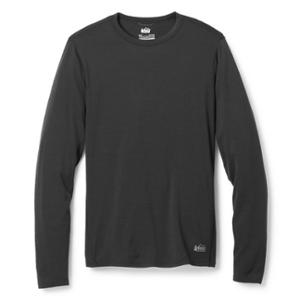
- Fabric: 100% merino wool
- Weight: Heavyweight
- UPF Rating: 50+
- Performance: Moisture wicking and quick drying
The REI Co-op Merino 250 is the brand’s warmest merino base layer yet, built for adventures in serious cold. Made from 100% merino wool, this heavyweight crew feels supersoft against the skin and provides excellent insulation without feeling stiff. It makes a strong foundation for winter hiking, snowshoeing, and other cold-weather activities where staying warm is a priority.
Performance is impressive for a heavyweight piece. The fabric wicks sweat and dries fast, helping you stay comfortable when your effort level changes throughout the day. It also earns a UPF rating of 50+, excellent sun protection, which is valuable on snowy trails with intense glare. The long sleeve design layers easily beneath a fleece, puffy jacket, or shell. Its thickness means it may be too warm for mild days or high-intensity efforts, so choose it when the forecast is truly cold. For hikers who want maximum merino warmth, sun protection, and quick drying in one reliable shirt, this is a standout choice.
Pros:
- Warmest REI merino base layer
- UPF 50+ sun protection
- Supersoft and quick drying
Cons:
- Too warm for mild days
- Heavyweight fabric is less packable
View Men’s at REI View Women’s at REI
How to Choose Hiking Base Layers
Your base layer is the most important piece of clothing you wear on a hike. It sits directly against your skin, and its job is to move sweat away from your body so you stay dry and comfortable. If you choose the wrong base layer, you can end up cold, wet, and miserable—even on a short walk. This guide will help you understand what to look for so you can pick the right base layer for your next adventure.
What Does a Base Layer Do?
A base layer has one main job: moisture management. When you hike, your body produces sweat. If that sweat stays on your skin, it cools you down quickly when you stop moving. This can lead to chills, and in cold weather, it can be dangerous. A good base layer pulls sweat away from your skin and spreads it out so it can evaporate. This keeps you dry and helps your body regulate its temperature.
Base layers also provide a thin layer of insulation. They trap a small amount of warm air next to your skin. But their main role is not to keep you warm on their own—that is what mid-layers and outer layers are for. The base layer is the foundation of your clothing system.
Fabric Matters Most
The material of your base layer is the biggest factor in how well it performs. There are three main categories: synthetic, merino wool, and blends. Each has strengths and weaknesses.
Synthetic Fabrics
Synthetic base layers are usually made from polyester, nylon, or polypropylene. They are popular because they are cheap, durable, and dry very quickly. They move sweat away from your skin fast, which makes them great for high-intensity activities like fast hiking or backpacking in cool weather.
- Pros: Affordable, quick-drying, durable, easy to wash.
- Cons: They can start to smell bad after a day or two of heavy sweating. Some people find them less comfortable against the skin.
- Best for: Day hikes, high-sweat activities, and budget-conscious hikers.
Merino Wool
Merino wool is a natural fiber that comes from sheep. It is soft, breathable, and naturally resists odor. It also regulates temperature well—it keeps you warm in the cold and cool in the heat. Many hikers love merino wool for multi-day trips because it stays fresh longer than synthetic fabrics.
- Pros: Odor-resistant, comfortable, good temperature regulation, soft.
- Cons: More expensive, slower to dry, and can be less durable than synthetics.
- Best for: Multi-day trips, cold weather, and hikers who want a natural option.
Blends
Many base layers mix merino wool with synthetic fibers like polyester or nylon. These blends try to combine the best of both worlds: the odor resistance and comfort of wool with the durability and quick-drying properties of synthetics. They are often a great middle-ground choice.
- Pros: Balanced performance, often more durable than pure wool, still odor-resistant.
- Cons: Can be pricey, and performance varies by brand.
- Best for: Hikers who want a versatile layer for many conditions.
Weight and Thickness
Base layers come in different weights, usually described as lightweight, midweight, and heavyweight. The weight you choose depends on the weather and how hard you plan to hike.
| Weight | Best Use | Temperature Range |
|---|---|---|
| Lightweight | Warm weather, high-intensity hiking | 60°F and above |
| Midweight | Cool weather, moderate activity | 30°F to 60°F |
| Heavyweight | Cold weather, low activity | Below 30°F |
Lightweight base layers are thin and focus on moisture wicking. They are great for summer hikes or when you will be moving fast. Midweight layers offer more insulation and are the most versatile choice for three-season hiking. Heavyweight layers are thick and warm, best for winter hikes or very cold conditions when you will not be moving fast enough to generate a lot of heat.
Fit and Comfort
A base layer should fit snugly but not be tight. It needs to be close to your skin to work properly, but it should not restrict your movement or feel uncomfortable. Look for flat seams or seamless designs to avoid chafing, especially under backpack straps. A good fit also means the layer stays in place when you move—no riding up or bunching.
Consider the length of the torso and sleeves. Some hikers prefer a longer torso so the base layer stays tucked in. Others like thumb loops on the sleeves to keep them in place when layering. Think about what feels best for you and the type of hiking you do.
Moisture Wicking and Breathability
Moisture wicking is the ability of a fabric to pull sweat away from your skin. Breathability is how well the fabric lets air flow through. Both are important. A base layer that wicks well but does not breathe can make you feel clammy. A base layer that breathes well but does not wick can leave you wet.
Look for fabrics that are designed for active use. Many brands use special knitting techniques or treatments to improve wicking and breathability. Merino wool is naturally breathable and wicks well, though it dries slower than synthetics. Synthetics are generally excellent at wicking and drying quickly, but some can feel less breathable.
Odor Control
If you are on a multi-day hike, odor control matters. Synthetic base layers can get smelly quickly because they trap bacteria. Merino wool naturally resists odor, so it stays fresher longer. Some synthetic fabrics are treated with antimicrobial finishes, but these can wash out over time. If you want to avoid smelling like a locker room, merino wool or a wool blend is your best bet.
Seams and Construction
Seams can be a source of irritation. Flatlock seams lie flat against the skin and reduce chafing. Some high-end base layers are seamless, which eliminates chafing entirely. If you have sensitive skin or will be wearing a backpack, pay attention to seam placement. Also, look for tags that are printed rather than sewn in, as sewn tags can scratch.
Care and Durability
How you care for your base layer affects how long it lasts. Synthetic base layers are easy to wash and dry quickly. Merino wool requires more care—it should be washed on a gentle cycle with wool-safe detergent and dried flat or on low heat. Some merino wool can pill or develop holes if not cared for properly.
Durability is also a factor. Synthetic fabrics are generally more abrasion-resistant, while merino wool can be more delicate. Blends often offer better durability than pure wool. If you hike often, investing in a durable base layer can save you money in the long run.
Price and Value
Base layers range from budget-friendly to very expensive. Synthetic base layers from brands like Under Armour or REI Co-op are often affordable. Merino wool base layers from brands like Smartwool, Icebreaker, or Patagonia cost more. The price usually reflects the quality of materials and construction.
Think about how often you will use it. If you hike occasionally, a basic synthetic layer may be enough. If you hike regularly or go on multi-day trips, a higher-quality merino or blend layer may be worth the investment. Look for sales and consider last season’s colors to save money.
Layering System
Your base layer is part of a system. It works with your mid-layer and outer layer to keep you comfortable. The base layer manages moisture, the mid-layer insulates, and the outer layer protects from wind and rain. Make sure your base layer fits well under your other layers without being too bulky.
When you try on a base layer, wear it with the other layers you plan to use. Move around, raise your arms, and bend over. Check that nothing feels tight or restrictive. A good layering system should feel like a second skin.
Common Mistakes to Avoid
- Wearing cotton: Cotton absorbs sweat and stays wet. It is a terrible choice for hiking base layers. Avoid it.
- Choosing a layer that is too tight: A tight base layer can restrict movement and be uncomfortable. It should be snug, not tight.
- Ignoring the weather: A heavyweight layer in summer will make you overheat. Match the weight to the conditions.
- Not testing before a big trip: Always test new base layers on a short hike before relying on them for a long adventure.
Final Thoughts
Choosing the right hiking base layer comes down to understanding your needs. Think about the weather, how hard you will hike, and how long you will be out. Decide whether you prefer the affordability and quick-drying nature of synthetics or the comfort and odor resistance of merino wool. Consider weight, fit, and seams. A good base layer is not the most exciting piece of gear, but it can make or break your comfort on the trail. Take the time to choose wisely, and you will enjoy every hike more.