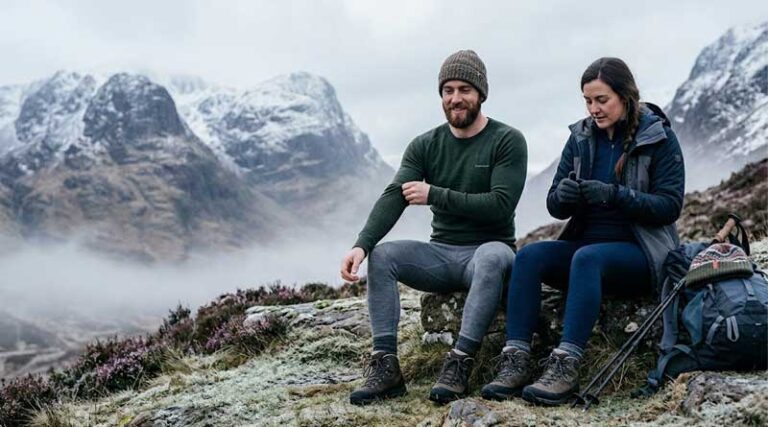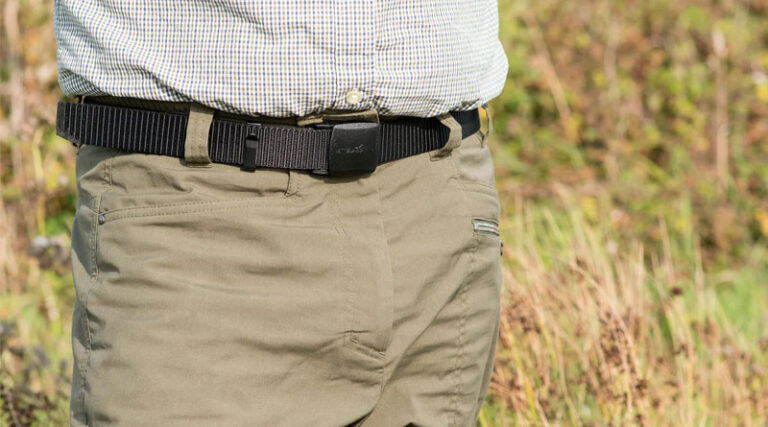

When you’re walking miles every day on a long trail, your shorts matter more than you think. The best thru-hiking shorts are light, dry fast, and won’t chafe your skin after hours of sweat and rain. You need tough fabric, deep pockets, and a fit that moves with you. This guide breaks down the top picks for comfort, durability, and price—so you can stay cool and focused on the trail ahead.
1. Outdoor Research Ferrosi

- Fabric: 86% ripstop nylon (46% recycled) / 14% elastane
- UPF Rating: 50
- Inseam: 10 inches
- Weight: 7.7 ounces
The Outdoor Research Ferrosi shorts are built for serious outdoor enthusiasts who demand performance on both trails and rock faces. Crafted from bluesign® approved ripstop nylon with elastane, these shorts offer exceptional stretch and recovery, making them ideal for dynamic movements like scrambling and climbing. The quick-drying fabric and UPF 50 sun protection add practical value for long days outdoors.
With a generous 10-inch inseam, these shorts strike a solid balance between mobility and coverage. The recycled nylon content also appeals to eco-conscious hikers. Whether you’re navigating switchbacks or sending a route, the Ferrosi holds up beautifully without restricting movement.
- Pros: Excellent stretch and recovery, durable ripstop construction, eco-friendly materials, UPF 50 protection
- Cons: Higher price point, longer inseam may not suit all preferences
See the Outdoor Research Ferrosi See the Women’s Ferrosi
2. REI Co-op Trailmade

- Fabric: 94% nylon / 6% spandex (bluesign approved)
- UPF Rating: 50+
- Inseam: 8 inches
- Weight: 7.2 ounces
The REI Co-op Trailmade shorts are purpose-built for warm-weather hiking, combining water-repellent stretch nylon with a lightweight 7.2-ounce build that barely registers on the trail. The fabric breathes exceptionally well and dries fast, making it an excellent companion for humid climates or stream crossings. The UPF 50+ rating ensures solid sun protection throughout the day.
Five thoughtfully placed pockets offer ample storage for trail essentials without adding bulk. The 8-inch inseam provides a comfortable, versatile fit suited to a wide range of body types. At a competitive price for REI’s in-house line, the Trailmade delivers strong value for casual and avid hikers alike.
- Pros: Lightweight, great breathability, 5 pockets, excellent UPF 50+ protection
- Cons: No inner liner, limited color options compared to competitors
See the REI Co-op Trailmade See the Women’s Trailmade
3. Pudolla Hiking Cargo Shorts
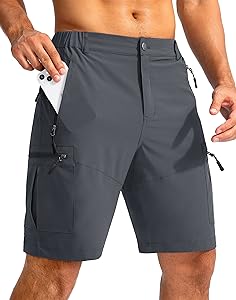
- Pockets: 5 zipper pockets (2 slash, 2 flat, 1 back)
- UPF Rating: 50+
- Waistband: Elastic back with button closure and zip fly
- Special Feature: Durable water repellent (DWR) finish
The Pudolla Hiking Cargo Shorts are a budget-friendly powerhouse for outdoor adventurers who prioritize storage and sun protection. Five deep zipper pockets provide secure space for wallets, phones, and keys, while the UPF 50+ fabric and DWR finish guard against sun damage and light rain. The breathable, moisture-wicking construction keeps you cool during active summer pursuits.
The elastic back waistband paired with a button-zip closure delivers a customizable, comfortable fit suited to all-day wear. These shorts transition seamlessly from trail to everyday use, making them a versatile wardrobe staple. They’re an especially smart pick for those seeking cargo functionality without a premium price tag.
- Pros: Affordable, 5 secure zipper pockets, DWR finish, moisture wicking
- Cons: Fabric details not fully disclosed, less technical than premium brands
See the Pudolla Hiking Cargo Shorts
4. G Gradual Women’s Hiking Cargo Shorts
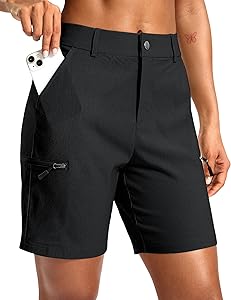
- Stretch: 4-way stretch fabric
- Pockets: 4 pockets (2 cargo with zippers, 2 deep side pockets)
- Waistband: Elastic with button closure, zipper, and belt loop
- Protection: UPF sun protection with moisture-wicking and light rain resistance
Designed with active women in mind, the G Gradual Women’s Hiking Cargo Shorts combine four-way stretch with quick-dry moisture-wicking fabric for unrestricted outdoor movement. The UPF-rated material shields against harmful UV rays, while the light rain and stain resistance keeps you looking and feeling fresh on unpredictable trails. Four functional pockets offer both quick-access and secure storage options.
The elastic waistband with button-zipper closure provides a snug yet flexible fit that stays put through dynamic activity. These shorts are versatile enough for hiking, rock climbing, golf, and daily wear. For women seeking a reliable, multi-use outdoor short at a reasonable price, the G Gradual delivers on all key fronts.
- Pros: 4-way stretch, versatile multi-activity use, secure cargo pockets, comfortable waistband
- Cons: Limited technical fabric specs provided, sizing may run inconsistently
See the G Gradual Women’s Hiking Cargo Shorts
5. KUHL Renegade Rock

- Fabric: 170g 95% nylon / 5% spandex with DWR finish
- UPF Rating: 50
- Inseam: 9 inches
- Weight: 9 ounces
The KUHL Renegade Rock shorts are engineered for rugged terrain, built from a heavy-duty 170g nylon-spandex blend that resists abrasion and repels water with a DWR finish. The moisture-wicking and quick-drying properties help regulate comfort on demanding hikes, while UPF 50 protection adds essential sun defense. Four pockets offer practical storage without excess bulk.
At a 9-inch inseam and 9 ounces, these shorts lean toward the heavier and more structured end of the spectrum, which suits technical trail use over lightweight fastpacking. The added durability makes them a long-lasting investment for hikers who frequently tackle challenging routes. KUHL’s reputation for quality construction is well reflected here.
- Pros: Extremely durable, DWR water resistance, moisture wicking, UPF 50
- Cons: Heavier than competitors, only 4 pockets
6. REI Co-op Sahara Cargo

- Fabric: 96% recycled nylon / 4% spandex (bluesign approved)
- UPF Rating: 50+
- Pockets: 6+ including side cargo pockets
- Inseam: 9 inches
The REI Co-op Sahara Cargo shorts stand out for their impressive six-pocket layout, making them a top pick for hikers and travelers who refuse to compromise on storage. The stretchy, water-repellent recycled nylon fabric offers both environmental responsibility and high performance, with UPF 50+ protection keeping skin safe on sun-drenched trails and city streets alike.
Weighing just 8 ounces with a 9-inch inseam, the Sahara Cargo balances comfort and utility well. The bluesign approved fabric construction signals a commitment to sustainable manufacturing. Whether you’re navigating a backcountry trail or an international airport, these shorts offer the versatility and storage capacity to handle it all with ease.
- Pros: 6+ pockets, recycled fabric, water repellent, UPF 50+
- Cons: Slightly heavier than lighter trail shorts, cargo styling may not suit all
See the REI Co-op Sahara Cargo See the Women’s Sahara Cargo
7. prAna Stretch Zion

- Fabric: 95% recycled nylon / 5% elastane (Stretch Zion™)
- UPF Rating: 50+
- Pockets: 5 including side cargo pockets
- Inseam: 8 inches
The prAna Stretch Zion shorts leverage the brand’s proprietary Stretch Zion™ fabric to deliver a rare combination of long-lasting durability and free-range movement. Made from 95% recycled nylon, they cater to environmentally conscious hikers without sacrificing performance. UPF 50+ sun protection and moisture-wicking properties round out an impressively functional feature set for trail use.
Five pockets, including side cargo pockets, offer generous storage for multi-activity adventures. The 8-inch inseam hits a sweet spot for freedom of movement without excessive exposure. Built to withstand repeated hard use on sweaty hikes and technical climbs, the Stretch Zion is a premium choice that rewards long-term investment with consistent, reliable performance.
- Pros: Proprietary stretch fabric, recycled materials, 5 pockets, UPF 50+
- Cons: No listed weight, premium pricing
See the prAna Stretch Zion See the Women’s Zion Halle
8. REI Co-op Active Pursuits

- Fabric: 86% recycled polyester / 14% spandex (bluesign approved)
- UPF Rating: 50+
- Inseam: 7 inches
- Weight: 5.1 ounces
At just 5.1 ounces, the REI Co-op Active Pursuits shorts are among the lightest options in the hiking short category, making them an ideal companion for fast-and-light adventures. The recycled polyester-spandex blend wicks sweat efficiently and dries quickly, while UPF 50+ protection ensures reliable sun defense. The convertible waistband drawstring can be worn internally or externally for a personalized look.
With a short 7-inch inseam and unlined construction, these shorts prioritize breathability and athletic mobility over rugged trail durability. Three pockets keep storage minimal and streamlined. They excel in warm conditions and work well for trail running crossovers or casual hiking where ultralight comfort takes priority over heavy-duty construction.
- Pros: Ultralight at 5.1 oz, moisture wicking, convertible waistband, UPF 50+
- Cons: Only 3 pockets, unlined, less durable for technical use
See the REI Co-op Active Pursuits See the Women’s Active Pursuits
9. XKTTAC Men’s Stretchy Shorts

- Pockets: 6 pockets (4 deep side zipper pockets, 2 front pockets)
- UPF Rating: 50+
- Special Feature: Reflective strips for low-light visibility
- Waistband: Elastic and adjustable for a secure fit
The XKTTAC Men’s Stretchy Shorts pack an impressive array of features for their price point, highlighted by six pockets and built-in reflective strips that enhance safety during dawn or dusk outings. The UPF 50+ protection and water-resistant breathable fabric make them trail-ready in varied conditions, while the lightweight, stretchable material supports full freedom of movement throughout the day.
The elastic adjustable waistband ensures a snug, customizable fit that stays in place during dynamic activity. With multipurpose appeal spanning camping, hiking, biking, and casual wear, these shorts offer exceptional versatility. The reflective detailing is a standout safety addition rarely seen at this price, making the XKTTAC a smart, practical buy for active outdoor enthusiasts.
- Pros: 6 pockets, reflective strips, UPF 50+, adjustable waistband
- Cons: Limited brand recognition, fabric specs not fully detailed
See the XKTTAC Men’s Stretchy Shorts
10. MAGCOMSEN Women’s Hiking Shorts
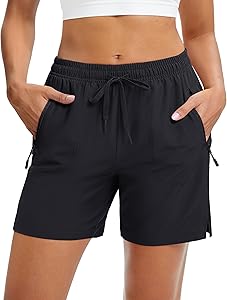
- Inseam: 5 inches
- UPF Rating: 50+
- Pockets: 3 zipper pockets (2 side, 1 rear)
- Special Feature: Side split design for enhanced range of motion
The MAGCOMSEN Women’s Hiking Shorts deliver a well-rounded performance package tailored for active women, featuring quick-dry, lightweight fabric that wicks moisture efficiently throughout demanding outdoor activities. UPF 50+ protection and water resistance guard against both sun damage and light rain, while three deep zipper pockets provide secure, phone-friendly storage for trail essentials.
The standout side split leg design meaningfully improves range of motion, making these shorts particularly suited to climbing, running, and high-step trail terrain. At a 5-inch inseam with an external drawstring elastic waistband, fit is both adjustable and flattering. These shorts are an excellent value option for women seeking dependable outdoor performance without spending premium prices.
- Pros: Side split for mobility, UPF 50+, 3 secure pockets, water resistant
- Cons: Short 5-inch inseam may not suit all preferences, limited cargo storage
See the MAGCOMSEN Women’s Hiking Shorts
The Art of the Long Walk: How to Choose the Perfect Thru-Hiking Shorts
When preparing for a thru-hike—whether it is the rugged length of the Appalachian Trail, the high-altitude challenges of the Pacific Crest Trail, or the sweeping expanses of the Continental Divide Trail—every piece of gear undergoes intense scrutiny. Hikers spend weeks debating the merits of specific shelters, weighing sleeping quilts down to the half-ounce, and comparing the tracking capabilities of GPS watches. Yet, one of the most critical pieces of apparel is frequently chosen as an afterthought: your shorts.
On a thru-hike, your shorts are your uniform. You will wear them for twelve to fourteen hours a day, through torrential downpours, scorching desert heat, freezing mountain passes, and weeks of accumulated sweat and trail grime. A bad pair of shorts can lead to debilitating chafing that cuts your daily mileage in half, while a great pair fades into the background, allowing you to focus entirely on the horizon. Choosing the right thru-hiking shorts requires balancing fabric technology, fit, utility, and personal comfort. This comprehensive guide breaks down every factor you need to consider to find your perfect pair.
Material Matters: Fabric Composition and Durability
The foundation of any good piece of technical apparel is its material. For thru-hiking, your choice of fabric determines how quickly you dry after a river crossing, how well you handle a steep scramble up loose talus, and how cool you remain during a midday climb.
Nylon versus Polyester
Most technical hiking shorts are constructed from either nylon or polyester, often blended with a small percentage of elastane (Spandex) for stretch. Nylon is historically the gold standard for durability. It possesses a high tensile strength, meaning it resists tearing and abrasion when you scrape against granite boulders or push through overgrown brush. However, nylon absorbs slightly more water than polyester and can feel a bit stiffer against the skin. Polyester, on the other hand, is inherently hydrophobic. It absorbs almost no moisture, dries incredibly fast, and is highly resistant to UV degradation. For hot, humid trails, polyester often wins out, while rocky, abrasive trails favor the rugged nature of nylon.
The Importance of Mechanical and Elastane Stretch
A straight-cut, rigid fabric will restrict your movement when stepping over downed logs or climbing steep switchbacks. To combat this, look for shorts with four-way stretch. This is achieved either through weaving elastane into the fabric or through “mechanical stretch,” which relies on the specific structural knit of the yarns. While elastane adds incredible comfort, keep in mind that it holds onto water longer than pure nylon or polyester and can degrade over months of exposure to high body heat and body oils. A blend with 5% to 12% elastane is typically the sweet spot for hiking longevity.
DWR Coatings and Sun Protection
Many hiking shorts come treated with a Durable Water Repellent (DWR) finish. While DWR will not make your shorts waterproof, it causes light rain and morning dew to bead off rather than soak into the fabric. Additionally, pay attention to the Ultraviolet Protection Factor (UPF) rating. On exposed trails like the PCT, your thighs are constantly subjected to intense solar radiation; a UPF rating of 40 or 50+ provides a vital shield against painful sunburns.
The Great Debate: Inseam Length and Fit
Fit is highly subjective, but in the world of thru-hiking, inseam length is more than just an aesthetic choice—it directly impacts temperature regulation, protection, and comfort.
Short Inseams (2 to 5 Inches)
Short shorts, often adapted from running or split-leg designs, have surged in popularity among modern thru-hikers. The primary advantage is unparalleled ventilation and freedom of movement. With less fabric covering your thighs, your body can dump heat much more efficiently, and there is zero material resistance when taking long strides or climbing. The downsides are minimal protection from sun, overgrown brush, and insects, as well as an increased risk of inner-thigh friction if you are prone to chafing.
Mid-Length Inseams (7 to 9 Inches)
A 7- to 9-inch inseam is the traditional sweet spot for most hikers. These shorts usually sit just above the knee, offering a balanced middle ground. They provide adequate protection against sun exposure, scratchy trailside bushes, and biting flies, while still remaining relatively lightweight and cool. They also transition seamlessly into trail towns without attracting excessive stares at the local grocery store or diner.
Long Inseams (10+ Inches)
Longer shorts provide maximum coverage and protection, making them ideal for exceptionally rocky or overgrown environments. However, for a traditional thru-hike, long shorts can feel heavy, trap excessive heat around the lower quads, and bunch up behind the knees during steep ascents. Most thru-hikers tend to avoid long inseams unless they are navigating heavily forested, tick-dense terrain.
Waistbands and Closure Systems
Your backpack’s hipbelt will rest directly over the waistband of your shorts for thousands of miles. Any button, thick seam, or heavy buckle trapped under a tight hipbelt will inevitably press into your skin, creating painful friction points or bruising.
Elastic and Drawcord Waistbands
Many thru-hikers prefer minimalist, flat-elastic waistbands with an internal drawcord—similar to running shorts. This design eliminates all hardware, ensuring a perfectly smooth profile under your pack’s suspension system. Furthermore, as you lose weight and your body composition shifts over months on the trail, an elastic drawcord easily adjusts to your shrinking waistline without requiring a separate belt.
Traditional Button and Fly Systems
If you prefer a traditional structured waistband with a zipper fly and button closure, look for low-profile options. Flat, glued buttons or integrated webbing belts are vastly superior to heavy metal buttons and thick leather belts. Ensure that the belt loops are placed in a way that does not align directly with the heaviest padding of your hipbelt.
Liners: Integrated versus Separate
Whether to wear shorts with a built-in liner or to opt for a standalone underwear and unlined short combination is a choice that divides the hiking community.
The Case for Integrated Liners
Shorts featuring built-in mesh or brief liners (often derived from running shorts) offer a lightweight, highly breathable, all-in-one system. They reduce the number of clothing items you need to wash, dry exceptionally fast, and maximize airflow. However, if the built-in liner does not fit your anatomy perfectly, it can cause severe chafing, forcing you to manually cut the liner out of the shorts mid-trip.
The Standalone Boxer Brief Combination
The overwhelming majority of long-distance hikers prefer unlined shorts paired with high-quality, standalone synthetic or merino wool boxer briefs. This modular approach allows you to precisely dial in your underwear fit to prevent inner-thigh chafing. It also means you can swap out your underwear for a fresh pair in town while keeping the same outer shorts, extending your hygiene cycle.
Pocket Configuration and Utility
While minimalism saves weight, you still need accessible storage for essential items you want to keep on your person rather than packed away in your backpack.
Hand Pockets and Drop-in Pockets
Standard open hand pockets are great for town days but can be a liability on the trail, as items like phones, pocket knives, or trash can easily slip out when you sit down on a log or scramble over rocks. Deep, mesh-lined pockets help mitigate this and add ventilation when empty.
Zippered Security and Cargo Pockets
At least one zippered pocket is highly recommended for storing high-value items like credit cards, cash, your ID, or a smartphone. Look for low-profile zippered pockets positioned on the side of the thigh (cargo-style) rather than the rear, as sitting on a wallet or phone for hours at a campsite is uncomfortable and risks damaging your gear.
Conclusion: The Testing Phase
Ultimately, the best thru-hiking shorts are the ones you completely forget you are wearing. No single pair works perfectly for every body type or trail environment. Once you narrow down your choices based on fabric, inseam length, waistband comfort, and pocket layout, buy your top contender well before your start date. Take them out on long, sweaty training hikes while wearing your fully loaded backpack. Pay close attention to any minor hotspots, rubbing, or riding up. Finding and refining your perfect short setup during prep will pay massive dividends when you finally step onto the terminus trail and begin your multi-month journey.