
When you’re behind the wheel, glare from the road, hood, and other cars isn’t just annoying—it’s a hazard. Standard sunglasses often fail to cut through that intense brightness, leaving your eyes strained. Polarized lenses are the smart solution. They act as a filter to block reflective glare, providing crystal-clear vision and true color contrast. For safer, more comfortable driving, here are the best polarized sunglasses to keep your focus on the road ahead.
1. goodr OGs

- Lens Material: TAC
- Frame Material: Copolyester
- UV Protection: 100 percent
- Overall Width: 138.5 millimeters
The goodr OGs are designed for those who want a blend of high performance and vibrant personality. These sunglasses feature a lightweight copolyester frame that utilizes a special grip coating to ensure they stay on your face even during the most intense trail runs. The polarized TAC lenses are effective at cutting through glare while providing full UV protection for your eyes.
In addition to their technical capabilities, these shades are celebrated for their classic silhouette and fun color options. They offer a snug, narrow fit that prevents bouncing on rocky terrain, making them a top choice for athletes and casual hikers alike. With a standard bridge fit and durable construction, they are built to handle daily adventures without slipping or sliding.
Pros: Nonslip grip, lightweight, affordable price.
Cons: Best suited for narrow faces only.
2. KALIYADI Polarized Sunglasses
- UV Protection: UV400
- Lens Type: HD Polarized
- Hinge Type: Adjustable metal spring
- Design: Classic Rectangle
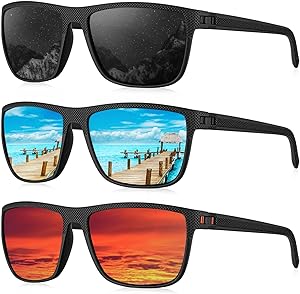
KALIYADI Polarized Sunglasses offer a classic rectangular design that fits seamlessly into any wardrobe. These frames are built with high-quality materials, featuring adjustable metal spring hinges and an integrated nose pad for a tailored and comfortable fit. The HD polarized lenses are specifically designed to restore true color while eliminating reflections from water and roads.
These sunglasses provide comprehensive UV400 protection, shielding your eyes from UVA and UVB rays. They are sold in a convenient three-pack, making them an excellent value for families or those prone to losing their shades. Whether you are driving, fishing, or traveling, these lightweight frames offer long-lasting durability and a timeless aesthetic that suits both men and women effortlessly.
Pros: Great value 3-pack, spring hinges, versatile style.
Cons: Basic plastic feel compared to premium brands.
See the KALIYADI Polarized Sunglasses
3. Suncloud Cookie – Women’s

- Lens Material: Polycarbonate
- Frame Material: Evolve
- Lens Width: 64 millimeters
- Base Curve: 9
The Suncloud Cookie is a stylish choice for women who require serious coverage and eye protection. Featuring a slightly oversized frame made from Evolve bio-based material, these sunglasses are both eco-friendly and lightweight. The high-impact polycarbonate lenses are polarized to reduce glare and offer 100 percent protection from harmful solar rays during long hours outdoors.
With a high base curve of 9, these shades wrap around the face to provide a wide field of vision and extra protection from the sides. The medium fit and standard bridge design ensure they sit comfortably on a variety of face shapes. Available in several lens tints like gray and rose, they allow for customized light transmission based on your typical environment.
Pros: Oversized coverage, eco-friendly frame, high impact resistance.
Cons: Wrap style might feel tight on wider heads.
See the Suncloud Cookie – Women’s
4. FEIDUSUN Sunglasses
- Lens Material: TAC Polarized
- Frame Design: Classic Square
- Protection: UVA and UVB
- Function: Anti-glare HD
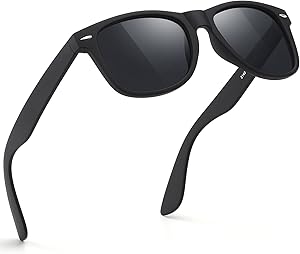
FEIDUSUN Sunglasses bring a retro square aesthetic to the modern adventurer. These sunglasses are constructed with a lightweight yet flexible material that reduces pressure on the nose and ears, allowing for all-day comfort. The HD polarized TAC lenses are engineered to filter out scattered light and glare from surfaces like snow and water, restoring clear and natural vision.
Ideal for various outdoor activities such as cycling, driving, and fishing, these frames act as an essential shield for your eye health. The durable construction ensures they can withstand the rigors of travel and sports while maintaining their trendy look. They provide a secure fit that stays in place, making them a reliable accessory for both sunny and cloudy conditions.
Pros: Retro aesthetic, very flexible, effective glare reduction.
Cons: Larger square shape may not suit small faces.
5. Knockaround Premiums Sport

- Lens Material: Triacetate cellulose
- Frame Material: Polycarbonate
- Overall Width: 140 millimeters
- Base Curve: 6
The Knockaround Premiums Sport is a high-utility companion for athletes logging serious miles. These sunglasses are built with a durable polycarbonate frame that is intentionally lightweight to prevent sliding while running. The triacetate cellulose lenses come in various tints with specific light transmission percentages, allowing you to choose the perfect pair for your local lighting conditions.
With a medium fit and a standard bridge, these shades offer a universal appeal that works well for both men and women. The 100 percent UV protection and polarized lenses ensure that eye fatigue is minimized during long periods of exertion. Whether you choose the Aqua or Rose Gold tint, you can expect a secure fit that remains stable even as you sweat.
Pros: Sport-tuned stability, many tint options, impact resistant.
Cons: Lens coatings can be sensitive to heavy cleaning.
See the Knockaround Premiums Sport
6. goodr Circle Gs

- Lens Material: Triacetate cellulose
- Frame Material: Polycarbonate
- Fit Width: Narrow
- Temple Length: 150 millimeters
For those who prefer a rounded look, the goodr Circle Gs offer a trendy silhouette without sacrificing performance. These sunglasses feature a polycarbonate frame with a nonslip coating that ensures they stay put during physical activities. The polarized triacetate cellulose lenses provide 100 percent UV protection, making them as functional as they are fashionable for outdoor enthusiasts.
These shades are specifically designed with a narrow fit, catering to those with smaller face shapes who often struggle to find stable eyewear. The longer 150mm temples provide a secure grip behind the ears, preventing any bouncing while you move. With their colorful designs and effective glare reduction, the Circle Gs are a perfect choice for hiking or casual city walks.
Pros: Stylish round shape, nonslip coating, great for small faces.
Cons: May feel too tight for medium or wide faces.
7. goodr Mach G

- Lens Material: Triacetate cellulose
- Style: Aviator
- Fit Width: Medium
- Overall Width: 144.5 millimeters
The goodr Mach G brings the iconic aviator style into the world of high-performance sports. Unlike traditional metal aviators that can be heavy and prone to slipping, the Mach G features a smooth, lightweight frame designed to resist bouncing. The polarized triacetate cellulose lenses offer full UV protection while cutting through glare, making them ideal for high-speed activities.
With a medium fit and a wider overall profile, these sunglasses provide a comfortable experience for a broad range of users. They maintain the brand’s signature nonslip grip, ensuring that even during sweaty workouts, your shades remain securely in place. They offer a perfect balance of classic aesthetics and modern athletic functionality, suitable for both the trail and the tarmac.
Pros: Classic aviator look, bounce-resistant, wide coverage.
Cons: Aviator shape offers less side-eye protection.
8. Sunski Yuba

- Frame Material: SuperLight™ recycled resin
- Lens Material: Triacetate cellulose
- Base Curve: 4
- Lenses: Interchangeable
Inspired by the rivers of California, the Sunski Yuba sunglasses offer a contemporary look with a focus on sustainability. The frames are crafted from SuperLight™ recycled polycarbonate resin, making them environmentally conscious and incredibly lightweight. These sunglasses also feature interchangeable lenses, providing a level of versatility rarely seen in this price range for outdoor eyewear.
The polarized lenses are designed to block 100 percent of UV light while significantly reducing surface glare, allowing for longer and more comfortable days outside. With a medium fit and a low base curve, they offer a relaxed, modern aesthetic that works well for hiking or daily commuting. The Yuba is a testament to the fact that performance and eco-friendly design can coexist.
Pros: Recycled materials, interchangeable lenses, very lightweight.
Cons: Low base curve allows more light from the sides.
9. Tifosi Swank

- Frame Material: Grilamid TR-90 nylon
- Lens Material: Polycarbonate
- Overall Width: 142 millimeters
- Technology: Tifosi Glide
The Tifosi Swank combines a retro aesthetic with modern frame technology to deliver a high-performance experience. The frames are made from Grilamid TR-90 nylon, a material known for its extreme durability and flexibility. One of the standout features is the Tifosi Glide technology, which allows the glasses to slide on easily without pulling your hair while ensuring they stay securely in place.
Equipped with polarized polycarbonate lenses, the Swank provides 100 percent UV protection and superior clarity. Whether you choose the Smoke or Brown polarized options, you will enjoy a consistent light transmission that is perfect for varied conditions. These sunglasses are built to be versatile, offering a medium fit that remains comfortable during sports or leisure activities throughout the day.
Pros: No-slip Glide technology, durable TR-90 frame, hair-friendly.
Cons: Style is fairly standard/basic for some users.
10. Sunski Dipseas

- Lens Material: Triacetate cellulose
- Frame Material: Polycarbonate
- Bridge Fit: Low Bridge Fit
- Temple Length: 139 millimeters
Sunski Dipseas are designed to bridge the gap between urban style and outdoor utility. These sunglasses feature a unique shape with slightly smaller lenses and thin arms, providing a bold look that doesn’t feel bulky. The polarized triacetate cellulose lenses are effective at blocking glare and come in a variety of vibrant tints like Emerald and Aqua to suit your personal style.
A key feature of the Dipseas is the low bridge fit, which is specifically designed for those with lower nose bridges or higher cheekbones. The polycarbonate frame is lightweight yet sturdy, ensuring comfort for all-day wear. Whether you are navigating city streets or forest trails, these shades provide full UV protection and a cool, effortless attitude that stands out in any crowd.
Pros: Excellent low-bridge fit, unique styling, lightweight arms.
Cons: Smaller lenses provide less total eye coverage.
11. Sunski Makani

- Lens Material: Triacetate cellulose
- Bridge Fit: Low Bridge Fit
- Lens Width: 56 millimeters
- UV Protection: 100 percent
The Sunski Makani captures the essence of summer with its slight cat-eyed shape and mirrored lenses. These sunglasses are part of Sunski’s collection designed with a low bridge fit, ensuring they stay comfortably in place for users with specific facial structures. The triacetate cellulose lenses are polarized to eliminate glare, providing 100 percent protection against the sun’s harsh rays during the warmest months.
With a medium fit width and an overall width of 137mm, the Makani provides a balanced feel that isn’t overly tight or loose. The Terra Fade lens tint adds a stylish touch while maintaining a 12 percent light transmission, perfect for bright, sunny days. These frames are a great choice for anyone looking to combine a fashion-forward silhouette with reliable eye protection.
Pros: Fashionable cat-eye shape, mirrored lenses, low bridge fit.
Cons: Lack of height measurement in specs for some buyers.
12. goodr Bolt G

- Lens Material: TAC
- Frame Material: Copolyester
- Lens Width: 133.5 millimeters
- Bridge Fit: Adjustable Nosepiece
The goodr Bolt G is built for high-intensity performance, featuring a half-rim frame design that provides an expansive field of vision. These sunglasses are specifically engineered for athletes who need a secure, bounce-free fit during workouts. The inclusion of an adjustable nosepiece allows for a truly customized fit, accommodating various face shapes and ensuring the glasses remain stable through every movement.
The large 133.5mm TAC polarized lenses offer significant coverage, protecting the eyes from wind and debris as well as 100 percent of UV rays. The copolyester frame is lightweight and durable, maintaining the brand’s reputation for high-quality, affordable sport eyewear. Whether you are cycling or sprinting, the Bolt G provides the clarity and security needed to focus entirely on your physical performance goals.
Pros: Adjustable nosepiece, wide shield coverage, no-bounce fit.
Cons: Half-rim style is more aggressive and less casual.
How to Choose Polarized Sunglasses for Driving
Driving is one of the most visually demanding tasks we perform daily. Whether it is the morning commute with the sun hanging low on the horizon or a long summer road trip across shimmering asphalt, the quality of your vision directly impacts your safety and comfort. Polarized sunglasses have long been considered the gold standard for motorists, but choosing the right pair involves understanding more than just style. This guide will explore the technical and practical aspects of selecting the perfect polarized eyewear for the road.
Understanding the Power of Polarization
To choose the right glasses, you must first understand what polarization actually does. Unlike standard tinted lenses that simply darken your field of vision, polarized lenses contain a special chemical filter designed to absorb horizontal light waves. When sunlight hits a flat surface—such as a wet road, a car hood, or a windshield—it reflects horizontally, creating what we perceive as “blind glare.”
For a driver, this glare is more than an inconvenience; it can hide obstacles, wash out road markings, and cause significant eye strain. Polarized lenses act as a vertical Venetian blind, allowing only useful vertical light to pass through while neutralizing the blinding horizontal reflections. This results in crisper contrast, truer colors, and a much more relaxed driving experience.
Key Factors to Consider When Selecting Driving Lens Colors
Not all polarized lenses are created equal, and the color of the tint plays a massive role in how you perceive the road. The goal of a driving lens is to provide clarity without distorting important signals like traffic lights or brake lamps.
Gray and Smoke Lenses
Gray is the most popular choice for general driving in bright, sunny conditions. Because gray is a neutral tint, it allows colors to be seen in their purest form. It reduces overall brightness without affecting color perception, making it an excellent choice for long highway drives where fatigue is a concern.
Copper, Amber, and Brown Lenses
Many professional drivers prefer copper or amber tones. These colors enhance contrast and depth perception by filtering out blue light. On overcast days or in variable light conditions—such as driving through a forest with patches of sun and shade—amber lenses make road hazards pop. They are particularly effective at highlighting the red tones of brake lights.
Yellow and Green Tints
Green lenses provide a balance between color neutrality and contrast enhancement. Yellow lenses, while popular for low-light “fog” conditions, are often not recommended for bright daylight driving as they do not provide enough light reduction. Furthermore, some high-intensity yellow tints can slightly distort the appearance of traffic light colors.
Lens Materials and Durability
The material of the lens affects the weight of the glasses, the clarity of the image, and how they behave in an accident. When choosing sunglasses for driving, you generally have three main options.
- Polycarbonate: These are the industry standard for active wear. They are virtually shatterproof, which provides a layer of safety if an airbag deploys or an object hits the glasses. They are lightweight but can be prone to scratching if not coated properly.
- TAC (Triacetate Cellulose): Often found in more affordable polarized glasses, TAC lenses are multi-layered and provide excellent polarization and moisture resistance. They are very thin and light but slightly less impact-resistant than polycarbonate.
- Glass: Glass lenses offer the absolute best optical clarity and are the most scratch-resistant. However, they are significantly heavier and can shatter upon high impact, which makes some drivers hesitant to wear them for safety reasons.
Frame Design and Peripheral Vision
While the lenses do the heavy lifting, the frame design determines how much of the road you can actually see. For driving, peripheral vision is vital for checking blind spots and seeing merging traffic.
The Problem with Thick Temples
High-fashion sunglasses often feature wide, thick temples (the “arms” of the glasses). While these look great, they can create significant blind spots in your side vision. When shopping for driving shades, look for thin or tapered temples that do not obstruct your view when you glance over your shoulder.
Wrap-Around Styles
Sport-style or wrap-around frames are highly effective for driving because they follow the contour of the face. This design prevents “light leakage” from the sides, which can cause annoying reflections on the inside of your lenses. If you find yourself squinting even while wearing sunglasses, a wrap-around frame may be the solution.
Potential Drawbacks of Polarization in Modern Vehicles
While polarized sunglasses are generally superior for driving, there are a few technological conflicts to be aware of. Because polarization works by filtering light in a specific direction, it can interfere with the liquid crystal displays (LCDs) found in many modern cars.
You may notice that your dashboard screen, digital speedometer, or infotainment system appears black or distorted when viewed through polarized lenses. Additionally, some Head-Up Displays (HUDs) that project information onto the windshield become invisible. Before committing to a high-end pair, it is a good idea to sit in your vehicle and ensure you can still read all your necessary instruments.
The Importance of UV Protection
It is a common misconception that polarization and UV protection are the same thing. Polarization handles glare; UV coatings handle health. Prolonged exposure to UVA and UVB rays can lead to cataracts and macular degeneration. Always ensure your chosen sunglasses are labeled “100% UV Protection” or “UV400.” Most quality polarized lenses include this automatically, but it is always worth verifying to protect your long-term vision.
Final Tips for the Perfect Purchase
To ensure you are getting the best value and performance, consider the fit and the “bridge” of the glasses. If the glasses slide down your nose every time you look at the GPS, they will become a distraction. Look for frames with rubberized nose pads or adjustable bridges to keep them secure during movement.
Finally, consider the Variable Light Transmission (VLT). Most driving sunglasses should have a VLT of 10% to 15% for bright sun. Anything darker than 8% (Category 4) is generally considered illegal for driving in many regions because it restricts too much light, making it difficult to see into tunnels or underpasses. By balancing tint, material, and frame design, you can find a pair of polarized sunglasses that makes every drive safer, clearer, and much more enjoyable.