Ensuring road safety is paramount when towing, and the right trailer breakaway kit provides a critical fail-safe for your journey. These essential devices automatically engage trailer brakes if a disconnection occurs, preventing dangerous runaway scenarios. Our guide highlights top-rated systems featuring reliable batteries and intuitive monitors to keep you compliant with legal requirements and protected on the road.
1. BUNKER INDUST Trailer Brake Breakaway Kit
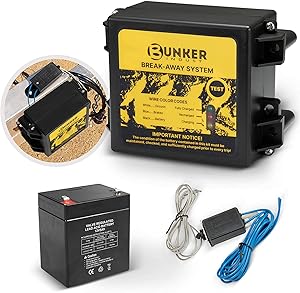
- Battery: 12V 5Ah lead-acid
- Monitoring: LED “Push to Test” display
- Installation: Side-mount design
- Durability: Weather and corrosion resistant
The BUNKER INDUST kit is a comprehensive safety solution for trailers equipped with electric brakes. Its primary function is to lock the trailer brakes immediately upon accidental separation from the tow vehicle. This unit is appreciated for its “Push to Test” feature, where integrated LEDs clearly indicate whether the battery is fully charged, currently charging, or requires a recharge before departure.
The system includes a heavy-duty battery box, a 12V 5Ah battery, and a high-sensitivity breakaway switch. The side-mount installation design allows for flexible placement on the trailer frame, while the reinforced housing protects internal components from harsh road debris and moisture. It offers reliable, long-term performance for caravan and utility trailer owners alike.
- Pros:
- Clear LED charge indicators
- Sturdy, weather-resistant casing
- Complete all-in-one system
- Cons:
- Lead-acid battery is heavy
- Limited to electric brake systems
2. OAMCE 12V Trailer Breakaway Kit
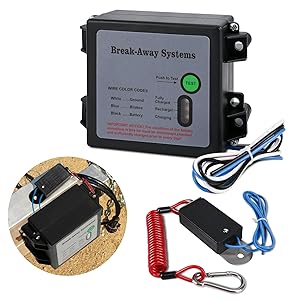
- Cable Length: 4-foot breakaway wire
- Indicator: Built-in LED test light
- Casing: Reinforced waterproof plastic
- Compatibility: Universal for 12V systems
OAMCE offers a reliable universal breakaway system that focuses on high-performance emergency stopping. This kit includes a high-quality breakaway switch with a generous 4-foot wire, allowing for easy connection to the tow vehicle regardless of hitch configuration. The reinforced plastic housing is specifically engineered to be waterproof and corrosion-resistant, making it ideal for boat trailers or vehicles used in salt-heavy regions.
A notable feature is the integrated LED test light, which allows for a quick visual verification of the system’s electrical integrity. However, users should note that the battery is not included with this specific model, allowing you to choose your own 12V power source. It is an essential safety device that ensures smooth operation and peace of mind during long hauls.
- Pros:
- Excellent waterproof sealing
- Long 4-foot lanyard cable
- Universal fit for most trailers
- Cons:
- Battery must be purchased separately
- Lacks a detailed charge display
3. Jack Boss Trailer Breakaway Kit
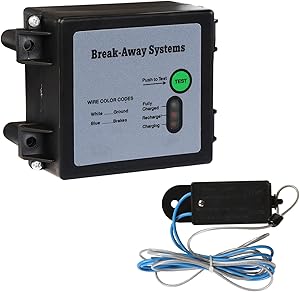
- Cable: 48-inch flexible attachment
- Mounting: Pre-drilled hole patterns
- Housing: Weatherproof reinforced plastic
- Status: Integrated LED indicator
The Jack Boss breakaway kit provides reliable protection for trailers that become accidentally disconnected. This system is designed for ease of use, featuring a prominent LED indicator light that displays the system’s current state at a glance. The outcase is built from a high-grade reinforced plastic that resists the aging effects of sun exposure and rain, ensuring the internal electronics remain dry and functional.
Installation is straightforward thanks to the pre-drilled mounting holes and the 48-inch flexible cable that reaches the vehicle hitch easily. Each kit undergoes rigorous quality testing to ensure the switch triggers the brakes instantly during an emergency. It is a solid, no-nonsense choice for automotive enthusiasts who want a durable safety system that meets standard towing requirements without excessive complexity.
- Pros:
- Very easy mounting process
- Flexible 48-inch safety cable
- Tested for high-stress reliability
- Cons:
- Plastic casing can be brittle in extreme cold
- Basic LED functionality
4. Curt Manufacturing 52040 Softtrac I
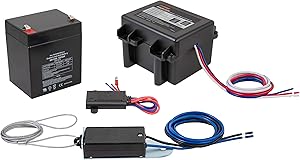
- Battery: 12V 5-amp with charger
- Capacity: Up to 3-axle trailers
- Compliance: Meets DOT requirements
- Switch: Corrosion-resistant nylon
Curt is a leader in the towing industry, and the Softtrac I kit demonstrates why. This system is fully DOT-compliant, making it a legal necessity for trailers over certain weight limits. It features a complete setup including a 12V battery, an internal charger, and a weatherproof nylon breakaway switch. The 48-inch cable provides ample length for flexible attachment to the tow vehicle’s frame.
One of the strongest selling points is its ability to handle trailers with up to three axles, providing enough power to engage six electric brakes simultaneously. The battery case is built from durable plastic with pre-drilled holes for easy mounting. This kit is a dependable choice for those who want a brand-name solution backed by extensive safety testing and industry-standard certifications.
- Pros:
- Fully DOT-compliant safety
- Supports up to three axles
- High-quality internal charging circuit
- Cons:
- Hardware not included for mounting
- Large footprint on the trailer tongue
5. ATEM POWER Solar Trailer Breakaway Kit
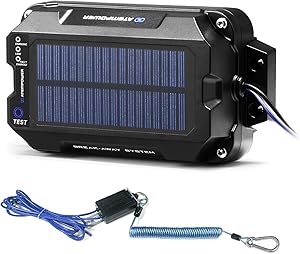
- Battery: 12V 3Ah LifePO4 Lithium
- Solar: Built-in maintenance solar panel
- Rating: IP65 waterproof housing
- Wiring: Pre-wired, color-coded cables
The ATEM POWER kit is a cutting-edge solution for modern trailers and RVs. It replaces traditional heavy AGM batteries with a lightweight LifePO4 lithium battery, which boasts a much longer lifespan and a lower self-discharge rate. The built-in solar panel acts as a trickle charger, significantly reducing the chances of a flat battery during storage or long trips, ensuring the system is always ready.
Safety is further enhanced by a BMS that protects against overcharging and over-discharging. The IP65-rated ABS case provides superior protection against dust and moisture, while the color-coded pre-wired cables make the installation process foolproof. Designed to meet strict ADR requirements, this kit is perfect for 1 or 2 axle caravans where weight and battery reliability are top priorities for the owner.
- Pros:
- Lithium battery for longevity
- Solar trickle charge prevents power loss
- Lightweight and IP65 rated
- Cons:
- Higher initial investment
- Solar not meant for fast charging
6. CINVEI Trailer Brakes Break-Away Kit
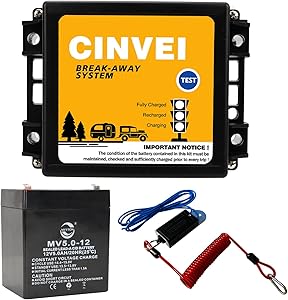
- Battery: Built-in 12V 5Ah
- Indicators: 3-level LED charge status
- Wiring: Standard color-coded leads
- Design: Side-load controller system
CINVEI provides a rugged and straightforward breakaway kit designed for the everyday caravan user. The side-load controller system is housed in a heavy-duty plastic shell that guards against UV rays and impact. It features a triple-LED indicator system that clearly displays whether the internal 5Ah battery is fully charged, recharging, or if immediate attention is needed before you hit the road.
The wiring process is simplified through industry-standard color coding: white for ground, blue for brakes, and black for the battery. This ensures that even those with basic electrical knowledge can install the unit safely. The system provides a powerful 12V surge to the electric brakes in the event of a hitch failure, bringing the trailer to a prompt and safe halt to protect both the driver and bystanders.
- Pros:
- Easy-to-read charge monitoring
- Straightforward color-coded wiring
- Compact side-loading design
- Cons:
- Needs manual battery checks
- Slightly bulkier switch assembly
7. FIERYRED LED Test Trailer Breakaway Kit
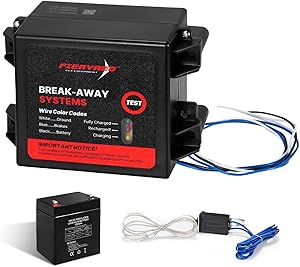
- Charger: Built-in 12V 5A circuit
- Material: Thickened engineering plastic
- Display: Button-operated LED test system
- Protection: Fully waterproof and shockproof
The FIERYRED breakaway kit is designed for harsh outdoor environments, utilizing thickened engineering plastic that is shockproof and anti-aging. It features an integrated 5A charger that maintains the battery while connected to the tow vehicle. The unique button-operated LED system gives green or yellow feedback to ensure you have full confidence in your power level before starting your journey through mud, dust, or rain.
Installation is flexible, allowing for frame mounting almost anywhere on the trailer. The pre-wired cables save significant time during setup, and the system is strictly compatible with electronic brakes. By providing a reliable energy burst to stop runaway trailers, this kit acts as a professional-grade insurance policy against hitch failures. It is particularly well-suited for off-road trailers where vibration and impact resistance are essential requirements.
- Pros:
- Extremely durable engineering plastic
- Reliable built-in 5A charger
- Quick-start pre-wired installation
- Cons:
- Strictly for electronic brakes
- 1-year warranty is shorter than some
How to Choose Trailer Breakaway Kits
A trailer breakaway kit is more than just a convenience; in many regions, it is a legal requirement for trailers exceeding a certain weight. This safety device acts as your last line of defense in the event of a catastrophic hitch failure. Understanding the nuances of battery types, axle capacity, and monitoring features will help you select a kit that ensures your trailer stops safely if it ever disconnects from your vehicle.
Understanding the Core Components
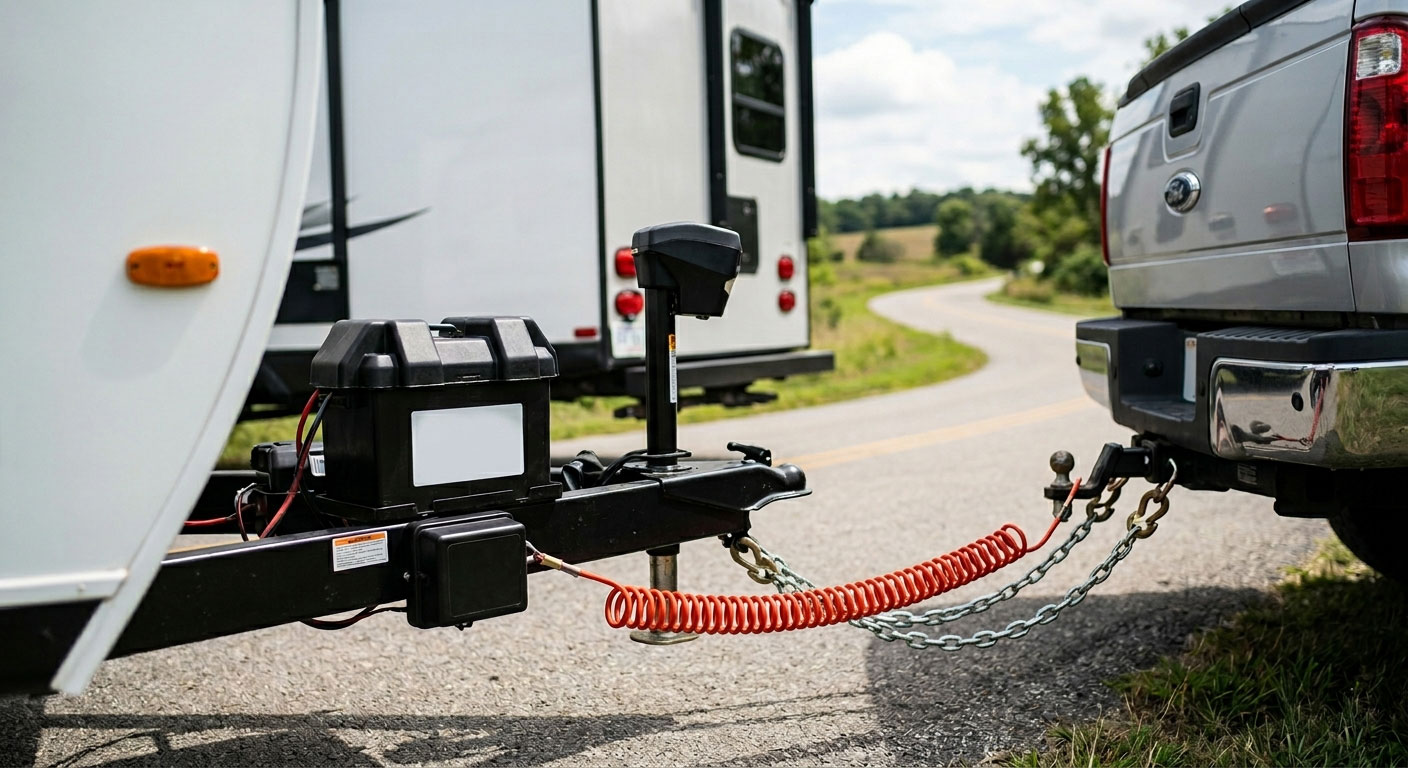
A standard breakaway kit consists of three main parts that must work in perfect harmony: the battery, the battery box with a built-in charger, and the breakaway switch. The switch is mounted to the trailer frame, and its lanyard cable is attached to the tow vehicle’s frame. If the trailer detaches, the lanyard pulls a pin out of the switch, which closes a circuit and sends battery power directly to the trailer’s electric brakes.
Battery Type: Lead-Acid vs. Lithium
The battery is the heart of the system. Traditional kits use Lead-Acid (AGM) batteries. They are affordable and reliable but heavy and prone to self-discharge if left sitting for months. Newer, premium kits utilize Lithium (LifePO4) batteries. These are much lighter, handle deep discharges better, and have a significantly longer overall lifespan. If you frequently store your trailer for long periods, a lithium-based kit is often worth the extra investment due to its low self-discharge rate.
Axle Capacity and Braking Power
Not all breakaway kits are created equal when it comes to power output. Every electric brake magnet on your trailer pulls a specific amount of amperage. A single-axle trailer has two magnets, while a triple-axle trailer has six. Ensure your chosen kit is rated for your specific setup. A kit designed only for single-axle use may not have the amperage capacity to lock the brakes on a massive three-axle fifth wheel or heavy-duty flatbed.
Monitoring and Testing Features
A breakaway kit is useless if the battery is dead when you need it. Look for kits with built-in testing features.
Push-to-Test Buttons
Many modern kits feature a simple button that, when pressed, uses LEDs to show the battery’s health. This allows for a five-second safety check before every trip.
Remote Monitoring
Some high-end systems can even communicate with the tow vehicle’s cab, providing an alert if the breakaway battery voltage drops below a safe level while you are driving. This is the ultimate “peace of mind” feature for long-distance haulers.
Charging Capabilities
Most breakaway kits include a built-in charger that draws power from the tow vehicle’s 12V auxiliary line (usually the center pin on a 7-way plug). However, the quality of these chargers varies. A good kit will have a “smart” charger that prevents overcharging the battery, which can lead to swelling and failure. Some innovative kits now include small integrated solar panels to maintain the battery during storage when the trailer is disconnected from the truck.
Weatherproofing and Housing Durability
The breakaway kit is mounted externally on the trailer tongue, exposing it to rain, snow, road salt, and UV rays. Look for a housing made of high-impact ABS plastic or reinforced nylon. An IP65 or higher waterproof rating ensures that moisture won’t corrode the internal terminals. Corrosion is the leading cause of breakaway system failure, so a well-sealed box is non-negotiable for boat trailers or those in northern climates.
Cable and Lanyard Design
The lanyard cable is the physical trigger for the system. Coiled cables are often preferred over straight ones because they stay off the ground and don’t tangle with your safety chains. Ensure the cable is at least 48 inches long to provide enough slack for sharp turns but short enough to pull the pin before the safety chains reach their full extension. A high-visibility orange or red cable makes it easier to verify the connection during your pre-trip walkaround.
Legal Compliance and DOT Standards
In the United States, the Department of Transportation (DOT) requires that a breakaway system must be able to hold the trailer brakes for at least 15 minutes. Ensure the kit you choose explicitly states it meets or exceeds DOT standards or relevant local regulations like ADR in Australia. Using a non-compliant kit can result in heavy fines and potential liability issues in the event of an accident.
Installation Considerations
While many kits are designed for DIY installation with color-coded wires, the physical mounting location is critical. The switch should be mounted in a straight line with the vehicle hitch to ensure a clean pull. The battery box should be mounted securely to the frame where it won’t be struck by the jack handle or interfering safety chains. If you are uncomfortable with 12V wiring, professional installation ensures the system is correctly fused and grounded.
Maintenance and Pre-Trip Checks
Even the best kit requires maintenance. Before every trip, pull the pin on the switch to ensure the trailer brakes lock up (you should hear them hum or try to pull the trailer with the truck to feel the resistance). Check the terminals for corrosion and clean them with a wire brush if necessary. Replace the battery every 3-5 years, even if it seems to hold a charge, to ensure maximum reliability in a true emergency.