Looking for hiking shoes that won’t leave your feet hot and sweaty? You’ve come to the right place. Breathable hiking shoes are built with mesh uppers and smart ventilation to keep air flowing while you’re on the trail. In this article, we’ve rounded up the best options that combine comfort, airflow, and solid traction—so your feet stay cool and supported from the first mile to the last.
1. Merrell Moab 3

- Footwear Height: Ankle
- Closure: Lace-up
- Midsole: Super Rebound Compound
- Outsole: Vibram TC5+
Stepping into the Merrell Moab 3 is like meeting an old friend who has only gotten better with time. This latest iteration of the legendary Moab series refines the classic formula by delivering an even softer, grippier, and more supportive experience. From the moment you lace up the pigskin leather and mesh upper, the out-of-the-box comfort is immediately apparent. The molded nylon arch shank provides reliable support on uneven terrain, ensuring your feet remain stable throughout the journey, while the Super Rebound Compound midsole works overtime to absorb shock and return energy with every step.
Whether you’re tackling a local nature trail or embarking on a multi-day backpacking trip, the Vibram TC5+ outsole inspires confidence with its aggressive grip on both wet and dry surfaces. At 2 lbs. 1 oz. per pair, these shoes offer a reassuringly durable feel without feeling overly cumbersome. The attention to detail, including the use of recycled mesh lining, shows a commitment to sustainability without sacrificing performance. Ultimately, the Merrell Moab 3 remains a benchmark in the hiking world for a reason: it perfectly balances comfort, durability, and versatility for the modern hiker.
- Pros: Exceptional out-of-the-box comfort, durable pigskin leather build.
- Cons: Slightly heavier than some competitors, can feel warm in very hot climates.
See the Merrell Moab 3 See the Women’s Moab 3
2. Merrell Moab Speed 2

- Footwear Height: Ankle
- Midsole: FloatPro foam
- Outsole: Vibram TC5+ rubber
- Weight (Pair): 1 lb. 8 oz.
For hikers who prioritize speed and agility without sacrificing the trusted Moab name, the Merrell Moab Speed 2 is a revelation. Designed to be a lighter, more dynamic counterpart to its classic sibling, this shoe features a remarkable 30% more foam underfoot compared to the original, creating a plush, energetic ride. The engineered mesh and TPU upper have been refined for improved breathability, ensuring your feet stay cool during high-output activities. Despite its lightweight nature—just 1 lb. 8 oz. per pair—the shoe doesn’t skimp on stability, providing a confident, secure feel that allows you to move quickly across technical terrain.
The FloatPro foam midsole serves as the heart of this shoe, offering a perfect balance of comfort and responsiveness that reduces fatigue on long treks. Paired with the reliable Vibram TC5+ outsole, you get a trustworthy grip that adapts to shifting trail conditions. The lace-up closure provides a snug, customizable fit, while the recycled mesh lining adds an eco-conscious touch. Whether you’re trail running or fast-packing, the Moab Speed 2 delivers the comfort and confidence needed to keep your pace high and your focus sharp, proving that you don’t need bulky boots to tackle serious trails.
- Pros: Extremely lightweight and agile, highly breathable engineered mesh upper.
- Cons: Less durable than the full-leather Moab 3, not as much ankle support for heavy loads.
See the Merrell Moab Speed 2 See the Women’s Moab Speed 2
3. Columbia Fairbanks Low
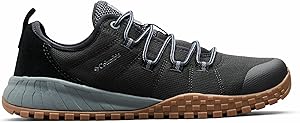
- Upper: Mesh with suede heel cap
- Midsole: TechLite lightweight
- Outsole: Omni-Grip non-marking rubber
- Closure: Flexible webbing eyelets
Seamlessly blending urban style with trail-ready performance, the Columbia Fairbanks Low is a masterclass in versatility. Designed for those who move between town and trail, this low-cut shoe features a breathable mesh upper complemented by a stylish suede heel cap that adds durability and a refined aesthetic. The standout feature is the flexible webbing eyelet system, which adapts to the natural movement of your foot while providing a secure, dialed-in fit. This intelligent lacing structure ensures that comfort is maintained from the morning commute to an afternoon hike.
Underfoot, the TechLite lightweight midsole delivers lasting comfort with superior cushioning and high energy return, so your feet feel fresh even after hours of exploration. The Omni-Grip non-marking rubber outsole is a true all-rounder, offering high grip across wet and dry terrain while remaining safe for indoor use. The wrap-around front tread enhances nimble performance, allowing for confident strides on uneven surfaces. Whether you’re navigating city sidewalks or forest paths, the Columbia Fairbanks Low offers heel-to-toe comfort and streamlined style, making it an exceptional all-day performer for the modern adventurer.
- Pros: Versatile style suitable for town and trail, flexible webbing eyelets for a dynamic fit.
- Cons: Not waterproof, less aggressive tread than dedicated hiking boots.
See the Columbia Fairbanks Low See the Women’s Fairbanks Low
4. NORTIV 8 Hiking Shoes

- Fit: Wide Fit with roomy toe box
- Protection: Waterproof construction with rubber toe cap
- Outsole: Durable grip for enhanced stability
- Midsole: Lightweight and shock-absorbing
Designed with the practical outdoor worker and weekend hiker in mind, the NORTIV 8 Hiking Shoes prioritize comfort and protection above all else. The most notable feature is the wide fit and roomy toe box, which provides a relaxed, pressure-free experience that is a godsend for those with wider feet or who plan on wearing thicker socks. These shoes are built to handle tough conditions, featuring a waterproof construction that keeps feet dry during wet weather, yard work, or snowy commutes. The added rubber toe cap is a thoughtful touch, offering reinforced protection against minor impacts and rocky terrain.
Durability and grip are at the forefront of this design. The outsole provides reliable traction for enhanced stability on uneven surfaces, making these a suitable choice for landscaping, construction sites, or rugged hiking trails. Comfort is further enhanced by a lightweight and flexible midsole that effectively absorbs shocks, significantly reducing foot fatigue during long hours of walking or standing. While they offer a more budget-friendly entry point into hiking footwear, the NORTIV 8 shoes do not compromise on essential features, delivering a robust, comfortable, and protective package that stands up to demanding outdoor activities.
- Pros: Roomy toe box ideal for wide feet, waterproof construction for wet conditions.
- Cons: Heavier than premium hiking shoes, less breathable due to waterproofing.
See the NORTIV 8 Hiking Shoes See the Women’s NORTIV 8 Shoes
5. Merrell Moab 3 Waterproof

- Waterproofing: Merrell DRY waterproof membrane
- Upper: Pig suede leather/mesh
- Midsole: Super Rebound Compound
- Outsole: Vibram TC5+
For hikers who refuse to let wet conditions dictate their plans, the Merrell Moab 3 Waterproof is the ultimate companion. Building on the iconic legacy of the Moab series, this version integrates a reliable Merrell DRY waterproof membrane that ensures your feet stay completely dry while navigating puddles, stream crossings, or persistent rain. The pig suede leather and mesh upper not only provide a premium aesthetic but also offer a robust barrier against the elements without sacrificing the out-of-the-box comfort the line is famous for. This generation is noticeably softer, grippier, and more supportive than its predecessor, making it a worthy upgrade.
The performance package is completed by the Super Rebound Compound midsole, which delivers excellent cushioning and energy return to keep you moving comfortably over long distances. A molded nylon arch shank adds a crucial layer of support, stabilizing your foot on uneven trails and reducing fatigue. The Vibram TC5+ outsole provides unparalleled traction on both wet and dry surfaces, ensuring you maintain your footing when conditions get slick. At just under 2 lbs. 2 oz. per pair, they offer a substantial yet manageable feel. With the Moab 3 Waterproof, Merrell delivers the confidence to step into any outdoor adventure, rain or shine.
- Pros: Excellent Merrell DRY waterproof protection, legendary out-of-the-box comfort.
- Cons: Slightly heavier than non-waterproof version, less breathable for hot weather hiking.
See the Merrell Moab 3 Waterproof See the Women’s Moab 3 Waterproof
6. Salomon X Ultra 5 GTX

- Waterproofing: GORE-TEX
- Closure: Single-pull Lace
- Midsole: EnergyCell
- Outsole: All Terrain Contagrip rubber
When the terrain demands a shoe that is as agile as it is stable, the Salomon X Ultra 5 GTX stands out as a premier choice. This shoe is engineered for hikers who move with purpose, feeling just as confident charging up steep hills as they are navigating technical descents. The integration of a GORE-TEX membrane provides trusted, breathable waterproofing, ensuring your feet remain dry in adverse weather. The single-pull lace system is a hallmark of Salomon’s design, allowing for a quick, secure, and consistent fit that locks your foot in place to prevent slipping and blisters, even on challenging inclines.
Lightweight construction is a key theme here, with the pair weighing just 1 lb. 10.8 oz., contributing to an agile, almost trail-running-like feel. This is complemented by the EnergyCell midsole, which delivers responsive cushioning and long-lasting resilience. The All Terrain Contagrip rubber outsole is specifically formulated to provide confident traction across a wide variety of surfaces, from loose scree to wet rock. The synthetic and textile upper balances durability with breathability. For the avid hiker who values speed, protection, and unwavering stability, the Salomon X Ultra 5 GTX offers a refined, high-performance package that excels in the most demanding environments.
- Pros: Lightweight and agile for a waterproof shoe, excellent GORE-TEX waterproof protection.
- Cons: Narrow fit may not suit wide feet, less durable than full-leather boots over time.
See the Salomon X Ultra 5 GTX See the Women’s X Ultra 5 GTX
7. Altra Lone Peak 9 Waterproof

- Foot Shape: Original Fit with roomy toe box
- Waterproofing: Waterproof bootie construction
- Midsole: Altra EGO foam
- Outsole: MaxTrac
For thru-hikers and day trekkers who prioritize natural foot movement and protection from the elements, the Altra Lone Peak 9 Waterproof is a game-changer. Built on Altra’s signature Original Fit, these shoes feature a roomy, foot-shaped toe box that allows toes to splay naturally for enhanced stability and comfort over long distances. The waterproof bootie construction provides reliable protection against moisture, ensuring your feet stay dry during creek crossings and rain-soaked trails without sacrificing the flexibility and ground feel that Lone Peak fans love. This combination of natural fit and weather protection makes it a top contender for long-distance adventures.
Comfort is further enhanced by the Altra EGO foam midsole, which delivers a responsive yet plush ride that absorbs shock and reduces foot fatigue mile after mile. The MaxTrac outsole provides durable, grippy traction across a variety of surfaces, offering the confidence needed to tackle rugged terrain. At 1 lb. 11.7 oz. per pair, they strike a nice balance between lightweight agility and substantial protection. Whether you’re embarking on a thru-hike or a weekend trek, the Lone Peak 9 Waterproof offers a unique blend of anatomical design, waterproofing, and lightweight durability that allows your feet to move naturally while staying dry and comfortable.
- Pros: Roomy, anatomical toe box for natural splay, effective waterproof bootie construction.
- Cons: Zero-drop platform requires an adjustment period.
See the Altra Lone Peak 9 Waterproof See the Women’s Lone Peak 9 Waterproof
8. Danner Trail 2650

- Inspiration: Pacific Crest Trail (2,650 miles)
- Upper: Suede leather/textile
- Support: External heel counter, TPU shank
- Outsole: Vibram 460 rubber with Megagrip
Named after the iconic Pacific Crest Trail, the Danner Trail 2650 is a shoe engineered to handle the demanding and varied terrain of long-distance hiking. It combines the durability of suede leather with the breathability of textile, creating a tough yet comfortable upper that can withstand miles of abuse. The reinforced external heel counter and TPU shank work in harmony to provide exceptional stability and support, locking your foot in place to prevent fatigue and injury on uneven ground. This construction ensures that whether you’re on a thru-hike or a local trail, you have the foundation needed to keep pushing forward.
The Vibram 460 outsole equipped with Megagrip technology is the defining feature for traction. It offers an exceptional grip on both wet and dry surfaces, providing the confidence to tackle slippery rocks and loose dirt alike. The EVA midsole provides lightweight cushioning that doesn’t weigh you down, with the pair tipping the scales at a mere 1 lb. 8 oz. The lace-up closure allows for a precise fit, while the mesh lining promotes airflow to keep your feet cool. For those who demand a shoe that can handle the rigors of epic trails while maintaining modern comfort, the Danner Trail 2650 delivers a rugged, supportive, and highly capable performance.
- Pros: Exceptional stability from external heel counter and TPU shank.
- Cons: Narrow fit in the toe box for some users, requires a short break-in period.
See the Danner Trail 2650 See the Women’s Trail 2650
The Ultimate Guide to Choosing Breathable Hiking Shoes
There is nothing quite like the feeling of a perfect hike—the crisp air, the stunning vistas, and the rhythmic sound of your boots on the trail. However, that magic can quickly vanish if your feet feel like they are trapped in a literal sauna. Hot, sweaty feet aren’t just uncomfortable; they are a recipe for blisters, fungal infections, and fatigue. This is where breathable hiking shoes come into play.
Choosing the right pair requires a balance between ventilation, protection, and support. In this guide, we will break down everything you need to know to keep your feet cool, dry, and happy on the trail.
Understanding Breathability: Why It Matters
In the context of footwear, breathability refers to the shoe’s ability to allow moisture vapor (sweat) to escape while preventing external water from entering, or at the very least, allowing air to circulate freely. When you hike, your feet produce a significant amount of heat and moisture. If that moisture stays trapped against your skin, it softens the tissue, making you much more susceptible to friction-induced blisters.
Breathable shoes help regulate your internal foot temperature, which can improve your overall endurance. When your feet are cool, your heart doesn’t have to work quite as hard to pump blood to the extremities for cooling, allowing you to stay on the trail longer.
Key Materials for Maximum Airflow
The material of the upper (the part of the shoe that covers the top and sides of your foot) is the most critical factor in determining breathability.
Synthetic Mesh
Nylon and polyester mesh are the gold standards for high-output hiking. Mesh allows for maximum airflow and is incredibly lightweight. Many modern “trail runners” or light hiking shoes use a layered mesh approach: a wide-open outer mesh for airflow and a tighter inner mesh to keep out fine dust and debris.
Split-Grain Leather
Unlike full-grain leather, which is thick and naturally less porous, split-grain leather is often paired with nylon mesh. This “hybrid” construction offers the durability and abrasion resistance of leather in high-wear areas (like the toe and heel) while utilizing mesh panels in the midfoot to allow heat to escape.
Perforated Synthetics
Some shoes use synthetic leathers or TPU (Thermoplastic Polyurethane) overlays for structure. Look for “laser-cut” perforations in these materials. These small holes act as exhaust vents, ensuring that the structural integrity of the shoe doesn’t come at the cost of air circulation.
The Great Debate: Waterproof vs. Non-Waterproof
The most common mistake hikers make is buying “waterproof” shoes for every environment. While technologies like Gore-Tex (GTX) are “breathable” relative to a rubber rain boot, they are significantly less breathable than a non-waterproof mesh shoe.
When to Skip the Waterproof Membrane
If you are hiking in temperatures consistently above 70°F (21°C) or in dry, desert climates, you should almost always opt for a non-waterproof shoe. A waterproof membrane acts as an extra layer of insulation, trapping heat. Furthermore, if a waterproof shoe does get wet (e.g., water spills over the ankle), it takes much longer to dry than a mesh shoe.
When to Opt for Waterproofing
Waterproof-breathable shoes are best suited for “shoulder seasons” (spring and fall), muddy trails, or hikes where you expect light rain and shallow puddles. They provide a barrier against the elements while still allowing a modest amount of sweat vapor to escape.
Weight and Its Impact on Breathability
There is an old adage in the hiking community: “A pound on your feet is like five pounds on your back.” Lightweight shoes generally use thinner, more porous materials. This doesn’t just make you faster; it makes the shoe more efficient at dumping heat. Heavy, thick materials require more energy to move, which generates more body heat, creating a cycle of sweat. For peak breathability, look for shoes that prioritize a “minimalist” upper construction.
Construction Features to Look For
Beyond the fabric, the way a shoe is built can influence how much air reaches your skin.
Low-Cut vs. Mid-Cut
While mid-cut boots offer more ankle support and protection from debris, low-cut shoes (below the ankle) allow for much better heat dissipation around the ankle collar. If you don’t require heavy-duty ankle stabilization, a low-cut shoe will always feel cooler.
The Tongue and Collar
Check the padding on the tongue and the collar. Some manufacturers use thick, dense foam that acts like an insulator. Look for shoes that utilize “open-cell foam” or spacer mesh in these areas. This allows air to pass through the padding rather than being blocked by it.
Insoles and Footbeds
Airflow isn’t just about the top of the shoe. Many breathable hiking shoes feature “Ortholite” or perforated insoles. These have small channels or holes that allow moisture to move away from the sole of your foot and out through the sides of the shoe.
Sizing for Airflow
A shoe that is too tight will not breathe well. For air to circulate, there needs to be a small amount of “dead space” between your foot and the upper material. When you try on hiking shoes:
Shop in the afternoon: Your feet swell throughout the day, just as they do on a hike.
The Thumb Rule: You should have about a thumb’s width of space between your longest toe and the front of the shoe.
Wiggle Room: You should be able to wiggle your toes freely. This movement helps “pump” air through the mesh as you walk.
Don’t Forget the Socks
You can buy the most breathable shoe in the world, but if you wear 100% cotton socks, your feet will still be wet. Cotton absorbs moisture and holds onto it. To maximize the effectiveness of breathable footwear, you must wear moisture-wicking socks made of:
Merino Wool: Naturally antimicrobial and excellent at moving moisture.
Synthetic Blends: Materials like polyester, nylon, and Lycra are designed to pull sweat away from the skin and push it toward the shoe’s outer mesh.
Coolmax Technology: Specially engineered fibers designed specifically for high-heat activities.
Conclusion
Choosing a breathable hiking shoe is about understanding your environment and your own body. If you are a “hot hiker” who sweats easily, prioritize mesh and skip the waterproof linings. If you frequent damp but warm trails, a hybrid approach might be best. By focusing on lightweight materials, smart construction, and the right sock pairing, you can ensure that your feet stay comfortable from the first mile to the last.