When the sun is blazing and the trail is calling, the last thing you want is sweaty, uncomfortable feet. Choosing the right footwear can make or break your adventure. In this article, we break down the best hiking shoes for hot weather. We focus on breathable materials, lightweight designs, and solid grip—so you can stay cool, comfortable, and confident on every summer hike.
1. Merrell Moab 3

- Upper: Pigskin leather/mesh
- Midsole: Super Rebound Compound
- Outsole: Vibram TC5+
- Weight: 2 lbs. 1 oz.
The Merrell Moab 3 remains one of the most reliable hiking shoes for everyday outdoor use. Straight out of the box, it delivers exceptional comfort with minimal break-in time. The pigskin leather and mesh upper provides a solid balance of durability and breathability, making it suitable for warm hikes or mixed terrain. Underfoot, the Super Rebound Compound midsole absorbs shock effectively, reducing fatigue on longer trails.
What really stands out is the Vibram TC5+ outsole, offering dependable grip across loose dirt, rocks, and uneven ground. The shoe feels stable thanks to the molded arch shank, making it ideal for hikers who need extra support. While slightly heavier than modern trail shoes, it compensates with durability and long-lasting performance.
- Pros: Excellent comfort, durable build, strong traction
- Cons: Slightly heavy, not fully waterproof
See the Merrell Moab 3 See the Women’s Moab 3
2. Merrell Moab Speed 2

- Upper: Engineered mesh/TPU
- Midsole: FloatPro foam
- Outsole: Vibram TC5+
- Weight: 1 lb. 8 oz.
The Merrell Moab Speed 2 takes the classic Moab comfort and gives it a modern, lightweight twist. With 30% more foam underfoot, the cushioning feels noticeably softer and more responsive. The engineered mesh upper enhances breathability, making it a great option for fast-paced hikes or warmer conditions.
On the trail, the shoe feels agile and quick, with improved traction from the Vibram outsole. Stability is solid despite the lighter build, and the FloatPro midsole helps reduce impact during longer walks. While it lacks the rugged toughness of the standard Moab, it excels in speed and comfort for day hikes and light adventures.
- Pros: Lightweight, breathable, responsive cushioning
- Cons: Less durable, limited support for heavy loads
See the Merrell Moab Speed 2 See the Women’s Moab Speed 2
3. Columbia Fairbanks Low
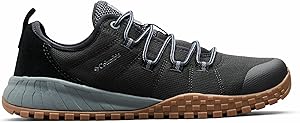
- Upper: Mesh with suede heel
- Midsole: TechLite
- Outsole: Omni-Grip rubber
- Fit: Flexible webbing eyelets
The Columbia Fairbanks Low is a versatile option designed for both urban use and light trails. Its sleek design makes it suitable for everyday wear, while still offering decent trail performance. The mesh upper keeps airflow consistent, and the suede heel adds durability where it’s needed most.
Comfort is a highlight here, thanks to the TechLite midsole that provides soft cushioning and good energy return. The Omni-Grip outsole performs well on both dry and wet surfaces, though it’s better suited to moderate terrain. It’s not the most rugged hiking shoe, but it excels as a stylish hybrid for casual hikes and daily use.
- Pros: Stylish, lightweight, versatile
- Cons: Limited durability, not for technical trails
See the Columbia Fairbanks Low See the Women’s Fairbanks Low
4. NORTIV 8 Hiking Shoes

- Fit: Wide toe box
- Waterproof: Yes
- Toe Protection: Rubber cap
- Midsole: Shock-absorbing
NORTIV 8 hiking shoes offer a budget-friendly solution for hikers who want comfort and protection without spending too much. The wide toe box is a standout feature, giving your feet room to move naturally during long walks. Waterproof construction keeps feet dry, making it suitable for wet trails or daily outdoor work.
The reinforced toe cap adds durability, while the flexible midsole helps reduce fatigue. Traction is reliable on uneven surfaces, although not as advanced as premium brands. Overall, it’s a practical choice for beginners or casual hikers looking for comfort and value.
- Pros: Affordable, waterproof, roomy fit
- Cons: Average traction, less premium feel
See the NORTIV 8 Hiking Shoes See the Women’s NORTIV 8 Shoes
5. Merrell Moab 3 Waterproof

- Upper: Pig suede leather/mesh
- Waterproofing: Merrell DRY
- Outsole: Vibram TC5+
- Weight: 2 lbs. 1.8 oz.
The waterproof version of the Moab 3 adds extra protection for wet conditions without sacrificing comfort. The Merrell DRY membrane keeps moisture out while allowing some breathability. It feels just as cushioned and supportive as the standard Moab, making it a dependable option for varied weather.
On muddy or slippery terrain, the Vibram outsole maintains strong grip. The shoe is slightly heavier due to waterproofing, but it offers peace of mind in unpredictable conditions. It’s ideal for hikers who frequently deal with wet trails or light rain.
- Pros: Waterproof, durable, great traction
- Cons: Slightly heavier, less breathable
See the Merrell Moab 3 Waterproof See the Women’s Moab 3 Waterproof
6. Salomon X Ultra 5 GTX

- Waterproofing: GORE-TEX
- Midsole: EnergyCell
- Outsole: Contagrip
- Weight: 1 lb. 10.8 oz.
The Salomon X Ultra 5 GTX is built for hikers who prioritize stability and performance. Its lightweight design feels agile, while the GORE-TEX lining ensures reliable waterproof protection. The quick lace system makes adjustments easy, even on the go.
On steep climbs and descents, the Contagrip outsole delivers excellent traction. The EnergyCell midsole provides responsive cushioning, making long hikes more comfortable. It’s a premium option for serious hikers tackling technical terrain.
- Pros: Lightweight, excellent grip, waterproof
- Cons: Expensive, narrow fit
See the Salomon X Ultra 5 GTX See the Women’s X Ultra 5 GTX
7. Altra Lone Peak 9 Waterproof

- Upper: Recycled mesh
- Midsole: Altra EGO
- Outsole: MaxTrac
- Weight: 1 lb. 11.7 oz.
The Altra Lone Peak 9 Waterproof is a favorite among long-distance hikers who value comfort and natural foot positioning. Its roomy toe box allows toes to spread naturally, reducing fatigue on long treks. The waterproof design adds protection without making the shoe overly heavy.
The Altra EGO midsole delivers a soft yet responsive ride, while the MaxTrac outsole provides reliable grip on varied terrain. It’s particularly suited for thru-hiking and extended outdoor adventures. However, the zero-drop design may take time to get used to.
- Pros: Comfortable fit, lightweight, waterproof
- Cons: Zero-drop adjustment, moderate durability
See the Altra Lone Peak 9 Waterproof See the Women’s Lone Peak 9 Waterproof
8. Danner Trail 2650

- Upper: Suede/textile
- Midsole: EVA
- Outsole: Vibram Megagrip
- Weight: 1 lb. 8 oz.
The Danner Trail 2650 is inspired by long-distance trekking and built for durability and breathability. The suede and textile upper feels tough yet flexible, making it comfortable for extended use. Its lightweight construction makes it suitable for both hiking and travel.
The Vibram Megagrip outsole offers excellent traction on rocky and uneven terrain. Added support from the heel counter and TPU shank improves stability on longer hikes. It’s a well-rounded shoe for hikers who want durability without extra weight.
- Pros: Durable, lightweight, great traction
- Cons: Not waterproof, premium price
See the Danner Trail 2650 See the Women’s Trail 2650
The Desert Trekker’s Guide: How to Choose Hiking Shoes for Hot Weather
When the mercury rises and the trail starts to shimmer under the summer sun, your choice of footwear becomes the most critical decision of your hike. Hot weather hiking presents a unique set of challenges: blistering heat from the ground, excessive perspiration, and the physical expansion of your feet. Choosing the wrong shoe can lead to painful hotspots, fungal infections, and a general sense of misery that can cut a trip short.
This guide explores the intricate balance between protection, weight, and airflow to help you find the perfect pair of shoes for your high-temperature adventures.
Understanding the “Breathability vs. Waterproofing” Trade-off
The most common mistake hikers make when prepping for summer is wearing the same “Gore-Tex” or waterproof boots they use in the winter. While waterproof membranes are excellent for keeping external moisture out, they act as a thermal insulator and a vapor barrier that traps heat and sweat inside the shoe.
The Case for Non-Waterproof Mesh
In hot weather, moisture is more likely to come from inside your shoe (sweat) than from a rain cloud. To manage this, you need maximum airflow. Look for shoes with engineered mesh uppers. These fabrics allow air to circulate freely around your foot, facilitating evaporative cooling. If you step in a stream, a non-waterproof mesh shoe will actually dry faster through drainage and airflow than a waterproof boot will.
When to Avoid Waterproof Membranes
Unless you are hiking in a tropical rainforest where it is both hot and extremely muddy/wet, skip the “GTX” labels. In dry, arid heat, a waterproof liner will make your feet feel like they are in a portable sauna, significantly increasing the risk of friction blisters caused by softened, damp skin.
Weight and Its Impact on Heat Exhaustion
There is an old hiking adage: “A pound on your feet equals five on your back.” In the heat, your body is already working overtime to regulate your core temperature. Lifting heavy, traditional leather boots with every step consumes more metabolic energy, which generates more internal body heat.
Trail Runners vs. Hiking Shoes
Many modern hikers are ditching boots entirely for trail running shoes. These are lightweight, highly flexible, and usually built with the “breathability-first” philosophy. If you are carrying a light daypack, a trail runner is often the superior choice for hot weather. However, if you are carrying a heavy multi-day pack, a dedicated hiking shoe—which offers a stiffer midsole—provides the support needed to prevent foot fatigue without the bulk of a full boot.
Anatomy of a Hot-Weather Shoe
To choose the best model, you need to look closer at the specific components that handle high temperatures and rugged terrain.
Midsole Materials: EVA vs. PU
The midsole provides the cushioning. Most hot-weather shoes use EVA (Ethylene Vinyl Acetate). It is lighter and provides more “cush” than PU (Polyurethane). While PU is more durable in the long run, EVA is preferred for summer hiking because it contributes to a lighter overall package and better shock absorption on hard, sun-baked trails.
Outsole and Traction
Hot weather often means dry, loose “marbles on hardpack” or slick rock surfaces. Look for outsoles with multi-directional lugs. In dry conditions, a “sticky” rubber compound (like Vibram Megagrip) is ideal for scrambling. However, be aware that very soft, sticky rubbers can wear down faster on hot asphalt or scorching rock.
The Importance of a Wide Toe Box
Heat causes your feet to swell—sometimes by half a full size or more. If your shoes are a perfect fit in the cool morning, they may become restrictive and painful by midday. Look for brands that offer a wide toe box. This allows your toes to splay naturally and accommodates the inevitable swelling without creating pressure points that lead to blisters.
Key Features to Look For
- Synthetic Materials: Polyester and nylon dry faster than leather and don’t retain as much heat.
- Gusseted Tongues: These keep out sand and debris, which is common on dry summer trails, without needing a heavy waterproof seal.
- Lacing Systems: Look for shoes with “speed lacing” or flexible eyelets that allow you to loosen the fit easily if your feet swell mid-hike.
- Anti-Microbial Treatment: Hot shoes are breeding grounds for bacteria. Many summer shoes come with silver-ion or zinc-based treatments to manage odor.
The Role of Socks in the Footwear System
You cannot talk about shoes without talking about socks. The best hot-weather shoe in the world will fail if paired with the wrong sock. Avoid cotton at all costs; it absorbs sweat and stays wet, leading to friction. Instead, opt for lightweight Merino wool or synthetic blends. Merino wool is naturally thermoregulating and can actually feel cool against the skin while wicking moisture away to the shoe’s outer mesh layer.
Fitting Tips for High-Temperature Success
When you go to the store to try on shoes, follow these three rules to ensure they will perform when the sun is out:
1. Shop in the Afternoon
Your feet are at their largest at the end of the day. This mimics the swelling you will experience on a hot trail. If the shoe feels “snug” in the afternoon, it will be too tight on the mountain.
2. The Finger Test
With your toes pushed all the way to the front of the unlaced shoe, you should be able to slide one finger behind your heel. This gap ensures that when you are hiking downhill, your toes won’t smash into the front of the shoe.
3. Test with Your Summer Socks
Don’t try on potential summer shoes with thick, padded winter socks. Bring the exact lightweight liners or thin Merino socks you plan to use on the trail.
Maintenance: Keeping Your Shoes Cool
To ensure your shoes last through a scorching season, you must maintain them properly. Salt from your sweat can crystallize inside the mesh fibers, acting like sandpaper and wearing the fabric down from the inside out. After a particularly sweaty hike, rinse your shoes with fresh water and let them air dry in the shade. Never leave your hiking shoes in a hot car or direct sunlight to dry, as the extreme heat can weaken the adhesives that hold the sole to the upper.
Conclusion
Choosing the right hiking shoe for hot weather is about prioritizing ventilation over protection and lightness over tradition. By selecting a non-waterproof, synthetic mesh shoe with a generous toe box and a reliable grip, you give your feet the best chance of staying cool, dry, and blister-free. Remember, the goal of summer footwear is to let your feet breathe as much as possible while providing the stability needed for the terrain ahead.