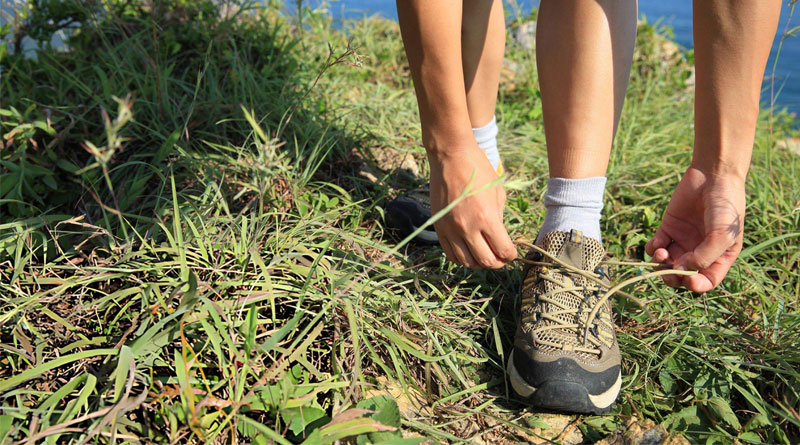
Ready to hit the trails but unsure where to start? The right hiking shoes make all the difference, turning a tough trek into a fun adventure. You don’t need heavy boots to begin. This guide breaks down the best hiking shoes for beginners—focusing on comfort, grip, and simple fits. Lace up and find your perfect pair for the path ahead.
1. Merrell Moab 3

- Upper: Pigskin leather/mesh upper
- Midsole: Super Rebound Compound
- Outsole: Vibram TC5+
- Weight (Pair): 2 lbs. 1 oz.
The Merrell Moab 3 continues the legacy of being one of the most trusted companions on the trail. This latest iteration enhances the classic design with a softer midsole and a more supportive footbed, ensuring that your feet stay comfortable during long treks. The pigskin leather and mesh combination provides a perfect balance of breathability and rugged protection against trail debris.
Durability remains a hallmark of this shoe, backed by the reliable Vibram TC5+ outsole which offers exceptional grip on diverse surfaces. Whether you are navigating rocky paths or casual woodland trails, the molded nylon arch shank provides the stability needed for technical terrain. It is a versatile choice for hikers who prioritize a proven, traditional feel with modern performance upgrades.
Pros: Excellent out-of-the-box comfort, highly durable construction, superior traction.
Cons: Slightly heavier than modern synthetic competitors, not waterproof.
See the Merrell Moab 3 See the Women’s Moab 3
2. Merrell Moab Speed 2

- Upper: Engineered mesh/TPU
- Midsole: FloatPro foam
- Outsole: Vibram TC5+ rubber
- Weight (Pair): 1 lb. 8 oz.
Merging the DNA of a traditional hiker with the agility of a trail runner, the Merrell Moab Speed 2 is designed for those who want to move fast. It features a significant 30% increase in foam underfoot compared to its predecessor, providing a plush ride that absorbs impact effectively. The engineered mesh upper keeps the weight low while maximizing airflow during high-intensity efforts.
Stability is not sacrificed for speed, as the improved traction and updated TPU reinforcements offer confidence on uneven ground. The FloatPro foam midsole ensures the cushioning lasts for miles without packing out. This shoe is an ideal pick for light-and-fast hikers who need a nimble, breathable option that still provides the reliable grip of a Vibram outsole.
Pros: Very lightweight, enhanced cushioning, excellent breathability.
Cons: Less lateral support than standard Moabs, mesh is less durable than leather.
See the Merrell Moab Speed 2 See the Women’s Moab Speed 2
3. Columbia Fairbanks Low
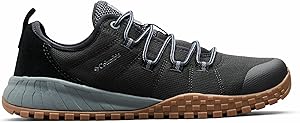
- Upper: Mesh and suede heel cap
- Midsole: TechLite lightweight cushioning
- Outsole: Omni-Grip non-marking rubber
- Lacing: Integrated webbing eyelets
The Columbia Fairbanks Low is a versatile hybrid designed to transition seamlessly from urban environments to light trail adventures. Its streamlined aesthetic hides a capable performer featuring a breathable mesh upper and a protective suede heel. The flexible webbing eyelets allow the lacing system to adapt to your foot’s movement, providing a secure and customized fit for all-day wear.
Underneath, the TechLite midsole delivers high energy return and superior cushioning, making it a great choice for long days on your feet. The Omni-Grip outsole is specifically engineered for multi-terrain traction, offering stability on wet surfaces without marking indoor floors. It is the perfect solution for travelers or casual hikers who need one shoe that can do it all with style.
Pros: Stylish everyday look, lightweight performance, comfortable energy return.
Cons: Not built for technical or rocky terrain, limited ankle protection.
See the Columbia Fairbanks Low See the Women’s Fairbanks Low
4. NORTIV 8 Hiking Shoes

- Protection: Waterproof construction
- Toe Box: Wide fit design
- Outsole: Durable rubber grip
- Safety: Reinforced rubber toe cap
The NORTIV 8 Hiking Shoes are engineered for those who require both protection and a generous fit during outdoor work or recreation. The standout feature is the wide-fit toe box, which allows for natural toe splay and prevents pressure points during long days of hiking or landscaping. A fully waterproof construction ensures your feet stay dry when navigating snow, puddles, or wet grass.
For safety, the shoes include a reinforced rubber toe cap to guard against impacts from rocks or equipment. The flexible, shock-absorbing midsole helps reduce foot fatigue by dampening vibrations on hard surfaces. Whether you are tackling a weekend trail or working in the yard, these shoes offer a stable and dry platform for a wide range of rugged outdoor activities.
Pros: Roomy toe box, effective waterproofing, very affordable.
Cons: Heavier than performance hikers, breathability is limited by waterproof lining.
See the NORTIV 8 Hiking Shoes See the Women’s NORTIV 8 Shoes
5. Merrell Moab 3 Waterproof

- Waterproofing: Merrell DRY membrane
- Upper: Pig suede leather/mesh
- Outsole: Vibram TC5+
- Weight (Pair): 2 lbs. 1.8 oz.
The Merrell Moab 3 Waterproof takes the legendary comfort of the Moab line and adds a layer of weather protection for unpredictable conditions. Featuring a Merrell DRY waterproof membrane, these shoes seal out moisture while allowing internal vapor to escape, keeping your feet dry from both rain and perspiration. The pig suede leather upper provides a soft feel and excellent resistance to abrasion.
This generation features an improved Super Rebound Compound in the midsole for better shock absorption and a smoother stride. The Vibram TC5+ outsole remains the gold standard for traction, providing confidence on wet rocks and muddy inclines. It is an ideal choice for hikers who demand out-of-the-box comfort and need a reliable barrier against the elements during their outdoor excursions.
Pros: Dependable waterproofing, high-quality materials, consistent comfort.
Cons: Can feel warm in high temperatures, slightly heavy for fast-paced hiking.
See the Merrell Moab 3 Waterproof See the Women’s Moab 3 Waterproof
6. Salomon X Ultra 5 GTX

- Waterproofing: GORE-TEX membrane
- Closure: Single-pull Quicklace
- Outsole: All Terrain Contagrip
- Weight (Pair): 1 lb. 10.8 oz.
Salomon’s X Ultra 5 GORE-TEX is a technical powerhouse designed for hikers who want the speed of a trail runner with the stability of a boot. It utilizes a GORE-TEX lining for industry-leading waterproof performance and breathability. The single-pull Quicklace system makes it incredibly easy to get a precise, secure fit that won’t loosen during steep descents or rapid climbs.
The EnergyCell midsole provides responsive cushioning, while the All Terrain Contagrip outsole features aggressive lugs that bite into soft mud and grip firm rock alike. This shoe excels on technical trails where agility and lateral support are paramount. It is built for the hiker who loves to charge up hills and needs a shoe that can handle high-cadence movement across challenging mountain terrain.
Pros: Fast and agile feel, elite waterproofing, easy lacing system.
Cons: Quicklace may be difficult to repair in the field, narrow fit for some.
See the Salomon X Ultra 5 GTX See the Women’s X Ultra 5 GTX
7. Altra Lone Peak 9 Waterproof

- Construction: Waterproof bootie
- Upper: Recycled polyester mesh
- Midsole: Altra EGO foam
- Outsole: MaxTrac rubber
The Altra Lone Peak 9 Waterproof brings the brand’s signature FootShape toe box and Zero Drop platform to a weather-ready package. Designed for thru-hikers and day trekkers, the waterproof bootie construction ensures your feet stay dry during creek crossings or rainy sessions. The recycled polyester mesh upper is both eco-friendly and surprisingly durable, standing up to the rigors of long-distance trails.
Inside, the Altra EGO foam midsole offers a soft yet responsive ride that encourages a natural foot strike. The MaxTrac outsole provides the perfect combination of grip and durability across varied surfaces. This shoe is a top contender for hikers who prefer a more natural foot position and need a lightweight, waterproof option that doesn’t compromise on ground feel or protection.
Pros: Natural foot shape, excellent ground feel, sustainable materials.
Cons: Zero-drop design requires an adjustment period, less arch support.
See the Altra Lone Peak 9 Waterproof See the Women’s Lone Peak 9 Waterproof
8. Danner Trail 2650

- Upper: Suede leather/textile
- Outsole: Vibram 460 with Megagrip
- Support: External heel counter/TPU shank
- Weight (Pair): 1 lb. 8 oz.
Named after the grueling Pacific Crest Trail, the Danner Trail 2650 is built to handle diverse and demanding terrain with ease. It features a lightweight EVA midsole and a breathable suede and textile upper that keeps feet cool during high-mileage days. The external heel counter and TPU shank provide a surprising amount of stability for such a lightweight, low-profile hiking shoe.
The standout feature is the Vibram 460 outsole equipped with Megagrip technology, which offers some of the best traction available on both wet and dry surfaces. Whether you are scrambling over granite or hiking through dusty forest paths, this shoe provides the grip and durability needed for serious exploration. It is a fantastic choice for those who want a premium, high-performance hiker with a sleek design.
Pros: Elite-level traction, very breathable, high-quality Danner craftsmanship.
Cons: Not waterproof, suede requires more maintenance than synthetic mesh.
See the Danner Trail 2650 See the Women’s Trail 2650
How to Choose Hiking Shoes for Beginners: A Complete Guide
Embarking on your first hiking adventure is an exciting milestone. However, the joy of a scenic vista can quickly be overshadowed by the pain of a blister or the instability of an ill-fitting shoe. For beginners, the sheer variety of footwear options—ranging from lightweight trail runners to heavy-duty leather boots—can be overwhelming. Selecting the right pair is not just about fashion; it is about protecting your feet, providing traction on unpredictable terrain, and ensuring you have the support necessary to carry your body weight and gear safely.
This guide will break down everything a novice hiker needs to know to find the perfect fit, understand technical specifications, and make an informed purchase that will last for years to come.
Understanding the Three Main Types of Hiking Footwear
Before diving into materials and sizes, you must decide which category of footwear best suits your intended environment. Generally, hiking footwear is divided into three primary styles.
1. Hiking Shoes
Hiking shoes are low-cut models with flexible midsoles. They are essentially reinforced versions of athletic sneakers. They are excellent for day hikes on well-maintained trails. Because they are lightweight, they cause less fatigue over long distances, but they offer minimal ankle support and are less ideal for carrying heavy backpacks.
2. Day Hiking Boots
These range from mid- to high-cut models. They provide better ankle stability and protection from debris and mud than low-cut shoes. They are designed for hikers carrying light-to-moderate loads and are usually quite flexible, requiring a very short “break-in” period compared to traditional boots.
3. Backpacking Boots
Designed for multi-day trips and heavy packs, these boots feature a high cut that wraps well above the ankles for maximum support. They have stiffer midsoles than day hikers and are built to handle rugged, off-trail terrain. While extremely durable, they are heavier and usually require a significant break-in period before they feel comfortable.
Key Components of a Hiking Shoe
Understanding the anatomy of a hiking shoe helps you identify where your money is going and what level of protection you are receiving. Each part of the shoe serves a specific functional purpose.
The Upper Materials
The upper is the part of the shoe that covers the top and sides of your foot. The material affects weight, breathability, and water resistance.
- Full-Grain Leather: Highly durable and abrasion-resistant. It is naturally water-resistant but heavier and less breathable.
- Nubuck Leather: Buffed leather that feels like suede. It is flexible and durable but requires time to break in.
- Synthetic Materials: Usually polyester or nylon. These are lighter, dry faster, and are often cheaper, though they may show wear and tear sooner than leather.
- Waterproof Membranes: Shoes labeled “GTX” or “Waterproof” feature a liner (like GORE-TEX) that keeps moisture out while allowing sweat vapor to escape.
The Midsole and Support
The midsole provides cushioning and determines the shoe’s stiffness. A stiff shoe might feel clunky on pavement, but it protects your feet from feeling every sharp rock or root on the trail. Most midsoles are made of EVA (cushy and light) or Polyurethane (firmer and more durable).
The Outsole and Traction
The bottom of the shoe is the outsole. Look for Vibram or brand-specific rubber compounds. The most important factor for beginners is the “lug pattern.” Lugs are the rubber bumps that grip the ground. Deep, widely spaced lugs are best for mud, while shorter, closely spaced lugs offer better grip on solid rock.
How to Get the Perfect Fit
Even the most expensive boot will be a nightmare if it doesn’t fit your specific foot shape. Here are the golden rules for trying on hiking shoes.
Size Up for Swelling
When you hike, your feet naturally swell due to increased blood flow and the repetitive impact of walking. Most hikers need a half-size or even a full size larger than their everyday casual shoes. You should be able to wiggle your toes freely inside the toe box.
The “Finger Test”
With your boots unlaced, slide your foot forward until your toes touch the front. You should be able to slide one finger between your heel and the back of the boot. If you can’t fit a finger, the shoe is too small; if you can fit two, it is too large.
Bring Your Hiking Socks
Never try on hiking shoes with thin dress socks or standard cotton gym socks. Wear the synthetic or wool-blend socks you actually plan to use on the trail. The thickness of the sock significantly changes how the shoe occupies space.
Test for “Heel Slip”
Once the shoes are laced up, walk around the store. If your heel lifts up and down significantly while walking, you are likely to get blisters. Your heel should stay locked into the back of the shoe even when walking uphill.
Waterproof vs. Non-Waterproof: Which do you need?
This is a common dilemma for beginners. Waterproof shoes are excellent for rainy climates, muddy trails, or winter hiking. However, the waterproof membrane that keeps water out also traps heat. In hot, desert-like conditions, waterproof shoes can make your feet sweat excessively, which ironically leads to damp feet and blisters. If you primarily hike in dry, warm weather, a non-waterproof mesh shoe will be much more comfortable.
The Importance of Breaking Them In
Never take a brand-new pair of boots out of the box and head straight for a ten-mile hike. Even “comfort-first” shoes need to mold to your feet.
Begin by wearing them around your house for a few hours.
Progress to walking short distances in your neighborhood.
Finally, take them on a short 1-2 mile “shakedown” hike.
This process allows the materials to soften and helps you identify any “hot spots” (areas of friction) before they become full-blown blisters.
Conclusion and Final Tips
Choosing hiking shoes as a beginner is an investment in your comfort and safety. Prioritize fit over brand names or colors. Remember that your feet are the foundation of your entire hiking experience; if they are happy, the rest of your body will be too.
Before you make your final choice, consider these three quick tips:
- Shop for shoes in the afternoon when your feet are at their largest.
- Test the shoes on an incline ramp if the store provides one.
- Don’t forget to trim your toenails before your first real hike to prevent “black toe” from downhill pressure.
Would you like me to recommend a specific pair of socks or an after-care kit to help maintain your new hiking shoes?