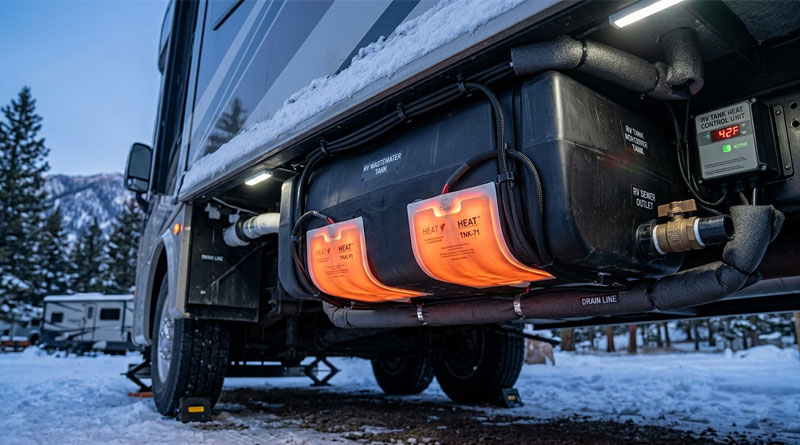
Protecting your water supply from freezing temperatures is crucial for any cold-weather camping trip or winter living. Tank heating pads provide reliable freeze protection with automatic thermostats and efficient insulation to keep your fresh, grey, and black tanks operational. This guide reviews top-rated heating solutions to help you maintain a functional plumbing system all winter long.
1. YUNVI 2PCS Self-Adhesive RV Tank Heater Pads

- Dimensions: 17.9″ x 11.8″ per pad
- Voltage: 110-120V AC with UL plug
- Thermostat: Auto on at 100°F / off at 140°F
- Power: 60W energy-efficient output
The YUNVI 2-piece set is an excellent choice for RVers who have access to shore power and need a heavy-duty solution for larger tanks. These pads are specifically designed for 50-gallon tanks but can be combined for even larger capacities. The multi-layer construction, featuring aluminum film and insulation cotton, ensures that heat is distributed evenly across the tank surface while preventing heat loss to the ambient air.
Installation is remarkably simple due to the high-strength self-adhesive backing. Once applied to a clean metal or plastic tank surface, these pads stay securely in place even during the heating cycle. The automatic thermostat provides peace of mind, engaging the heater only when necessary to prevent freezing and shutting down to avoid overheating, making winter travel much more convenient and safer for your plumbing.
- Pros:
- Smart thermostat prevents overheating
- Extra-long 10ft power cords
- Safe for both metal and plastic tanks
- Cons:
- Requires 120V AC power source
- Adhesive is permanent and hard to move
2. H&G Lifestyles 120V RV Holding Tank Heater Pad

- Size: 12″ x 18″ heating surface
- Rating: Maintains temp down to -20°F
- Insulation: 5mm thickened internal layer
- Power Cord: 10ft for flexible reach
The H&G Lifestyles heater pads are engineered for extreme cold, capable of protecting your water system in ambient temperatures as low as -20°F. These 120V pads are perfect for motorhomes and trailers parked in winter climates where standard pads might struggle. The thickened 5mm insulation layer is a standout feature, acting as a thermal barrier that forces heat into the tank rather than letting it escape.
The DIY installation process is straightforward, requiring only a clean surface and the removal of the adhesive backing. These pads are energy-efficient at 45W, providing a consistent constant temperature to keep your fresh or waste water flowing. They are highly reliable for all-season performance, provided they are unplugged when the weather warms up or the tanks are empty to protect the heating elements.
- Pros:
- Superior performance in sub-zero weather
- Thickened insulation saves energy
- Strong, long-lasting adhesive bond
- Cons:
- Manual unplugging required above 40°F
- Limited to 120V AC systems
3. Facon 12V RV Tank Heater Pad with Thermostat

- Power: 12V-13.5V DC / 65W consumption
- Certification: QAI certified for safety
- Thermostat: On at 44°F / Off at 68°F
- Setup: 2-wire system for direct wiring
Facon is a leader in RV heating, and this 12V 2-pack is specifically designed for off-grid or in-transit freeze protection. Since they run on DC power, these pads keep your tanks warm while you are driving, unlike 120V models that require an inverter or generator. The built-in smart thermostat is highly precise, triggering heat as temperatures dip toward freezing and shutting down once a safe 68°F is reached.
The QAI certification ensures these pads meet rigorous safety standards, providing peace of mind during long winter nights. The peel-and-stick application is incredibly secure, though users should ensure no heavy pressure is applied to the pads after installation. They are a “set and forget” solution that protects against costly pipe bursts and frozen waste valves during winter excursions.
- Pros:
- Operates on 12V DC battery power
- Automatic energy-saving thermostat
- Rigorous QAI safety certification
- Cons:
- High amperage draw on house batteries
- Requires basic electrical wiring knowledge
4. JOJOCY 12″x18″ RV Water Tank Heating Pad 3-Pack

- Quantity: 3-piece value pack
- Versatility: Suitable for tanks, engines, or batteries
- Voltage: 110-120V AC input
- Thermostat: Integrated automatic control
The JOJOCY 3-pack is a versatile and cost-effective solution for comprehensive winterizing. Beyond protecting your fresh, grey, and black water tanks, these pads are robust enough to be used for engine block heating or maintaining motorcycle battery temperatures. The automatic thermostat ensures consistent heating without the risk of damaging sensitive components through under-heating or thermal runaway.
Constructed from high-quality, durable materials, these pads are built to withstand harsh outdoor environments. The simple adhesive backing allows for a quick installation on various surfaces, and the 110-120V power supply makes them easy to integrate into a standard RV electrical system. It is a practical tool for long-term campers looking for an affordable way to prevent expensive cold-weather damage.
- Pros:
- Multi-purpose heating applications
- Great value with three pads included
- Durable and weather-resistant build
- Cons:
- Not suitable for 12V DC usage
- Heats to a single fixed temperature
5. VIHOSE 8.0″ x 25″ Long RV Tank Heater Pad

- Shape: Long 8″ x 25″ narrow profile
- Max Temp: 140°F with thermal control
- Plug: Standard 2-prong 110V plug
- Power: 65W for tanks up to 50 gallons
The VIHOSE heating pads feature a unique 25-inch long profile, making them perfect for narrow tanks or wrapping around curved tank surfaces where standard rectangular pads might fail. This 2-pack provides ample coverage for multiple holding tanks. The thermostatic control is designed to transfer heat immediately upon plugging in, creating a reliable barrier against ice formation in fresh or waste water.
Proper preparation is key with these pads; cleaning the tank surface of dust and oil ensures the adhesive creates a permanent bond. These pads are energy-efficient and highly effective for mobile homes and ships as well as RVs. Just remember to unplug the unit when the ambient temperature stays above 68°F to extend the life of the internal heating elements.
- Pros:
- Long profile fits narrow tank spaces
- No hardwiring required (plug-in)
- Rapid heat transfer upon activation
- Cons:
- Requires 110V AC outlet access
- Cord is shorter than some competitors
6. RecPro RV Tank Heater Pad with Toggle Switch

- Voltage: 13.5V DC operation
- Control: Manual toggle switch included
- Thermostat: 45°F (On) to 68°F (Off)
- Coverage: Designed for 50-gallon tanks
RecPro offers a professional-grade heating solution that includes a dedicated toggle switch for manual power management. These 12″ x 18″ pads are manufactured under specific patents to ensure high performance and safety. Running on 13.5V DC, they are perfect for keeping your water flowing while traveling down the highway or during boondocking sessions in cold weather.
The thermostat is highly efficient, activating automatically as water temperatures approach freezing. Because these pads are designed to stick directly to the tank bottom, they provide maximum heat transfer. The 3-pad kit allows for complete coverage of an average RV’s fresh, grey, and black water tanks, making it a comprehensive winterizing package for serious travelers.
- Pros:
- Includes a manual toggle control switch
- High-quality patented heating technology
- Ideal for off-grid use on DC power
- Cons:
- Wiring can be complex for novices
- Requires steady DC voltage for best results
7. Boltigen 3pcs 12V RV Water Tank Heater Pad Kit

- Insulation: 8mm flame-retardant foam
- Thermostat: 41°F–59°F activation range
- Control: 3-way individual switch panel
- Power: 12V/13.5V DC for battery use
The Boltigen 3-piece kit is perhaps the most robust DC-powered option available, featuring a massive 8mm layer of flame-retardant insulation. This extra thickness provides superior heat retention, ensuring your battery power is used efficiently to warm the tank rather than the surrounding chassis. The included 3-way control panel is a game-changer, allowing you to turn on specific pads for specific tanks as needed.
Built with waterproof aluminum foil and high-quality heating wire, these pads are designed for the long haul. The automatic thermostat is set to activate at 41°F, which is perfect for preventing early ice crystals from forming. It’s a comprehensive kit for motorhomes and boats, provided you have a reliable 12V battery bank to support the energy draw during freezing nights.
- Pros:
- Thickest 8mm insulation in class
- Individual switch control for 3 pads
- Flame-retardant and waterproof design
- Cons:
- Highest drain on house batteries
- Requires space for mounting the switch panel
How to Choose RV Tank Heating Pads
For RVers who enjoy winter camping or live in their rigs full-time, frozen holding tanks are more than just a nuisance—they can lead to expensive repairs, burst pipes, and a complete loss of water functionality. RV tank heating pads are the most effective solution to this problem, but choosing the right ones requires understanding your electrical system, tank size, and typical camping environment.
Understanding Electrical Requirements: 12V DC vs. 120V AC
The first and most important decision you will make is how your heating pads will be powered. This depends entirely on your camping style.
120V AC Heating Pads
These pads are designed to plug into a standard household-style outlet or be hardwired into your RV’s AC electrical system. They are ideal for campers who spend most of their winter in campgrounds with shore power. They provide consistent heat and don’t drain your house batteries. However, if you are driving or boondocking, these pads will not work unless you run a generator or a powerful inverter.
12V DC Heating Pads
12V pads run directly off your RV’s battery bank. They are the preferred choice for people who travel frequently during the winter, as they can stay active while the vehicle is in motion. They are also essential for boondockers. The downside is that they draw a significant amount of amperage; if you don’t have a large battery bank or solar setup, they can drain your batteries overnight in extreme cold.
Thermostatic Control: Automatic vs. Manual
Most modern RV tank heaters feature a built-in thermostat, which is essential for energy conservation and safety.
Automatic Thermostats
An automatic pad will have a set range, such as turning on when the tank temperature hits 44°F and turning off once it reaches 68°F. This “set it and forget it” functionality prevents the pads from wasting electricity during the day when the sun might warm the tanks naturally. It also protects the pads from burning out by ensuring they don’t run when it’s already warm.
Manual Switches
Some premium kits come with a physical switch panel. This allows you to turn the power to the pads completely off during the summer or when the tanks are empty. It is critical never to run a heating pad on an empty tank, as the heat has nowhere to dissipate and can damage the tank or the pad itself. A manual master switch adds an extra layer of safety.
Tank Capacity and Pad Sizing
Heating pads are usually rated by the size of the tank they can protect. Most standard pads are 12″ x 18″ and are rated for tanks up to 50 gallons. If you have a larger tank, you may need to install two or three pads to provide adequate coverage.
- Up to 50 Gallons: One 12″ x 18″ pad or two 8″ x 25″ pads.
- 50 to 100 Gallons: Two or three pads spaced evenly.
- Narrow/Curved Tanks: Look for long, narrow 25-inch pads that can wrap around the side or fit into tight chassis spaces.
Insulation Thickness and Heat Retention
Not all heating pads are created equal when it comes to efficiency. A bare heating wire will lose a lot of its energy to the cold air surrounding the tank. Look for pads that feature built-in insulation layers. Higher-end models offer 5mm to 8mm of flame-retardant foam or aluminum foil backing. This insulation forces the heat upward into the tank, ensuring the water stays liquid even when temperatures drop well below zero.
Safety Certifications and Build Quality
Because these pads are electrical devices mounted near plastic tanks and water, safety is paramount. Look for certifications like UL (Underwriters Laboratories) or QAI. These marks indicate that the product has been tested for fire safety, electrical stability, and thermal performance. Additionally, ensure the pads use flame-retardant materials to prevent any risk of melting your holding tanks.
Installation Best Practices
The effectiveness of your heating pads depends heavily on how they are installed. Follow these steps for the best results:
- Surface Preparation: Use isopropyl alcohol to clean the bottom of the tank. Any dust, grease, or road grime will prevent the adhesive from bonding, causing the pad to fall off later.
- Placement: Always place the pad near the drain outlet. This is the area most prone to freezing and the most critical to keep clear so you can dump your tanks.
- Wiring: For 12V systems, ensure you use the correct gauge wire for the distance of the run to prevent voltage drop. Always use a fuse to protect the circuit.
- Protection: If the pads are exposed to road spray, consider adding a layer of undercoating spray or extra insulation over the pad to protect it from the elements.
Final Considerations: Ambient Temperature Ratings
Check the manufacturer’s rating for ambient temperature. Some pads are only effective down to 20°F, while others are rated for -20°F. If you plan on visiting the northern states or Canada in winter, you absolutely need the high-output, heavily insulated models to ensure your valves don’t freeze shut.
Conclusion
Investing in the best RV tank heating pads is the difference between a successful winter adventure and a frozen nightmare. For those with shore power, a 120V system like the YUNVI provides massive heating power with zero battery drain. If you’re a traveler, 12V DC systems from Facon or RecPro are the gold standard. By matching your pads to your tank size and power capabilities, you can enjoy the beauty of winter camping with all the comforts of home.