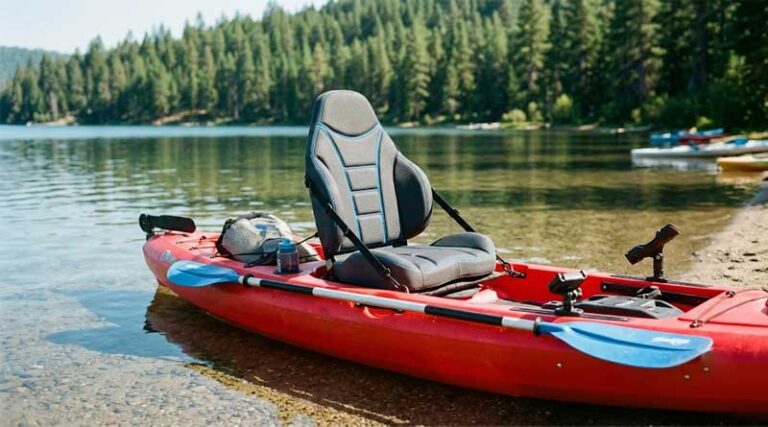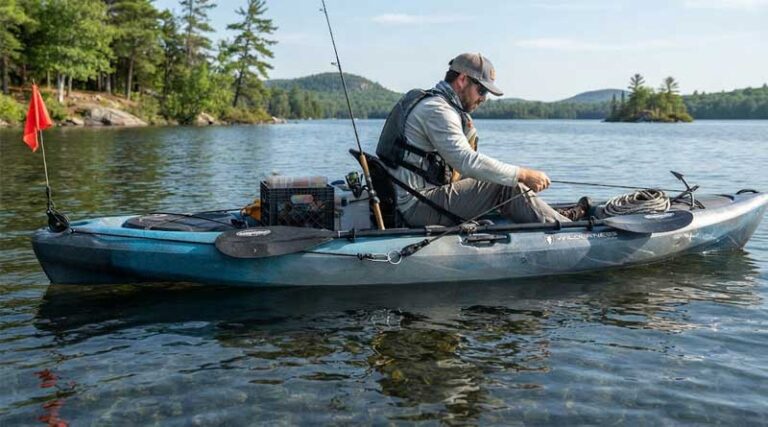

Spending a full day on the water can be an incredible adventure, but a lack of proper lumbar support will quickly cut your trip short. Standard kayak seats often lack the cushioning and rigid structure needed to prevent lower back strain and fatigue. Investing in an aftermarket seat designed specifically for ergonomic comfort ensures you maintain correct posture while paddling. The following guide reviews the top options available to help you find the perfect blend of durability, stability, and premium back support for your water excursions.
1. PenBan Universal Deluxe Kayak Seat

- Material: EVA foam interior and 210D polyester exterior
- Straps: 4 adjustable straps (2 front, 2 rear)
- Hooks: High-grade corrosion-resistant hooks
- Storage: Detachable waterproof storage bag
The PenBan Universal Deluxe Kayak Seat is engineered to bring long-lasting comfort to your aquatic adventures. By utilizing an ergonomic high-back design, it targets key pressure points along your spine and glutes, making it highly effective for preventing mid-trip fatigue. The form-fitting shape accommodates a wide variety of body sizes, ensuring that both smaller and larger paddlers receive tailored lumbar stability during long hours of rowing.
Durability is a core feature of this model, thanks to its rugged combination of supportive interior foam and a tough polyester protective shell. The quad-strap adjustment system provides a highly customizable fit that easily anchors to most sit-on-top kayaks, fishing boats, and rowboats. Additionally, the upgraded detachable rear pouch keeps your small essentials dry and within reach, completing a well-rounded and reliable upgrade for any standard watercraft setup.
- Pros: Generous thick padded backrest, highly adaptable quad-strap system.
- Cons: May require fine-tuning to prevent minor sliding on slick plastic hulls.
2. Yonderly Stadium Seats

- Weight: 2.65 lbs ultra-lightweight frame
- Dimensions: 21.7″ x 16.5″ x 3.9″ when folded
- Frame Material: Heavy-duty carbon steel
- Fabric Type: Breathable nylon-polyester blend
The Yonderly Stadium Seat breaks away from traditional kayak-specific layouts to deliver a versatile, multi-purpose seating solution. Weighing less than three pounds, this folding chair features a robust carbon steel frame that introduces rigid structural support rarely found in soft fabric inserts. This makes it an attractive alternative for flat-bottomed kayaks, canoe benches, or shore-bound fishing excursions where framework stability is prized over standard strap suspension.
Comfort is managed through an adjustable reclining mechanism and breathable fabric that prevents heat buildup during warm summer afternoons. While it folds flat in seconds for effortless transportation and storage, its built-in mesh backing pocket provides a handy slot for water bottles and snacks. It is an excellent hybrid choice for outdoor enthusiasts who want a single, highly portable chair for sporting events, camping, and calm-water paddling.
- Pros: Exceptionally lightweight and rigid steel frame, adjustable reclining backrest.
- Cons: Lacks specialized marine tie-down straps for high-intensity white-water tracking.
3. Leader Accessories Kayak Seats

- Cushioning: Deluxe molded thick EVA foam
- Shell Fabric: 210D heavy-duty polyester
- Hardware: Marine-grade high-strength hooks
- Adjustment: 4-way adjustable webbing straps
Leader Accessories has delivered a dependable marine component with this high-back molded foam kayak chair. Built explicitly to withstand the harsh realities of sun, salt, and freshwater environments, it utilizes premium protective coatings on all external fabrics and attachment points. The core architecture relies on an anatomically contoured backrest that cradles the user’s torso, reinforcing proper posture and minimizing the lower back aches often associated with extended paddling.
The attachment setup uses four marine-grade hooks paired with wide webbed straps, allowing users to alter the tension between the front and rear anchors easily. This gives you total control over the seat angle, whether you prefer a forward-leaning paddling stance or a relaxed tilt for fishing. A waterproof detachable storage bag adds quick utility for organizing tools, sunblock, or snacks directly behind your shoulders.
- Pros: Excellent ergonomic contouring, high-grade rust-resistant connection points.
- Cons: The molded foam cushion may feel slightly stiff during the initial break-in period.
4. SereneLife Detachable SUP Seat

- Compatibility: Universal fit for SUPs and kayaks
- Core Support: Form-fitting dense EVA foam
- Connectors: Solid corrosion-resistant copper hooks
- Tensioning: Multi-point adjustable front/rear straps
Designed with versatility in mind, the SereneLife Detachable SUP Seat bridges the gap between paddleboarding and traditional kayaking. Featuring an ergonomic profile and substantial padding depth, it transforms standard stand-up paddleboards into comfortable sit-on-top vessels within minutes. The form-fitting shape shifts to support a variety of body frames, ensuring reliable spine alignment whether you are casually floating, actively casting lines, or navigating choppy coastal currents.
This seat stands out due to its usage of solid copper connection hardware, which provides superior resistance to marine corrosion compared to standard alloy clips. The adjustable multi-strap array allows for precise tension management, keeping the backrest perfectly upright under load. It is an ideal, durable investment for water sports enthusiasts who frequently swap gear configurations between multiple paddleboards and light recreational kayaks.
- Pros: Exceptional universal compatibility across watercraft, premium rustproof copper hooks.
- Cons: Rear pocket storage is smaller compared to some dedicated kayak models.
5. Islafeliz Extra Thick Kayak Seat

- Thickness: 1.97-inch three-layer padding
- Backrest Base: 3mm rigid internal PE board
- Hardware: Corrosion-resistant zinc alloy buckles
- Stability: Heavy-duty Hook and Loop non-slip bottom
The Islafeliz Extra Thick Kayak Seat is heavily optimized for paddlers who prioritize cushioning density and rigid lumbar reinforcement. Boasting a remarkable three-layer cushion that measures nearly two inches thick, it effectively isolates your tailbone from hard, unyielding plastic hulls. To prevent the seat from shifting off-center during aggressive paddling strokes, the base features an integrated high-grip hook and loop system that firmly locks down against the deck.
What truly sets this model apart in terms of support is its rear architecture, which embeds a 3mm rigid PE board within the high-back lining. This design creates a firm lumbar shield that resists collapsing backward under body weight, significantly cutting down on torso fatigue during multi-mile treks. Completed with rugged zinc alloy buckles and a waterproof PVC storage bag, it is built for long-term comfort in demanding conditions.
- Pros: Outstanding two-inch thick cushion padding, ultra-supportive rigid internal backboard.
- Cons: Increased thickness raises the user’s center of gravity slightly higher than standard slim pads.
6. Lifetime Kayak Seat

- Frame Dimensions: 20.5″ wide x 16″ deep base
- Hardware: 304 marine-grade stainless steel
- Elevated Lift: 1-inch clearance above hull floor
- Material: UV-protected waterproof fabric
The Lifetime Kayak Seat is a specialized, premium upgrade package designed to elevate the experience on popular Lifetime hardshell models like the Tamarack and Tahoma. This complete bench system features a foldable metal framing design that hovers exactly one inch above the floor of the cockpit. This clever gap permits drainage water to flow freely beneath the seat instead of pooling around your gear, ensuring you stay dry throughout your trip.
The updated model features an increased backwards tilt on the backrest, maximizing lumbar comfort and stroke clearance during long paddles. Built with 304 stainless steel hardware and polypropylene protective cleats, the frame is shielded against both rust and friction wear against the plastic boat hull. It can be installed in under fifteen minutes with standard hand tools, making it a highly rewarding DIY project for hardshell kayak owners.
- Pros: Elevated dry-ride design concept, premium rust-proof stainless steel hardware.
- Cons: Intended primarily for specific compatible hardshell tracking patterns.
7. Trymaker Kayak Seat

- Cushion Depth: 1.97-inch three-layer Cloud-Comfort
- Backrest Core: 3mm high-hardness internal PE board
- Weight Capacity: Buckles rated up to 264 lbs (120 kg)
- Pouch Material: Heavy-duty waterproof PVC fabric
The Trymaker Kayak Seat centers its entire design value on delivering a high-comfort experience that minimizes lower-body stress. Utilizing its specialized three-layer foam configuration, the base pad absorbs vibration and dampens impacts from choppy waves, keeping your lower spine relaxed. The inclusion of heavy-duty hook and loop tape on the underside ensures the entire unit remains fixed in place, eliminating frustrating shifting while rowing.
An internal 3mm high-hardness PE structural board prevents the backrest from warping or folding under continuous leaning force, giving you consistent support during long water trips. The robust zinc alloy strap buckles are tested to handle up to 264 pounds of load, promising rugged reliability over seasonal use. Its universal mounting points make it an effortless addition to tandem boats, inflatable kayaks, and paddleboards alike.
- Pros: Superb impact-absorbing base cushioning, rigid backboard prevents structural sag.
- Cons: High-back profile might slightly limit extreme shoulder motion for narrow-cockpit racers.
How to Choose Kayak Seat for Back Support
Understanding Ergonomics and Structural Support
When selecting a kayak seat specifically to address back strain, the internal architecture of the backrest is the single most critical factor. Standard fabric seats lack rigid support, causing them to bow and sag over time under a paddler’s weight, which forces the lumbar spine into an unhealthy, slouched curve. Look for upgrade seats that feature reinforced internal structural supports, such as an integrated 3mm rigid Polyethylene (PE) board. This internal framing acts like an ergonomic brace, maintaining its upright shape and absorbing the pressure exerted during backwards leaning forces.
In addition to rigidity, consider the overall height of the backrest panel. A low-profile seat might suffice for casual, short-distance paddling, but a high-back design is essential for longer trips. High-back rests extend higher up the thoracic spine, distributing torso weight more evenly and reducing the workload on your lower lumbar muscle groups. This helpfully postpones muscle fatigue and minimizes the risk of spasms after multiple hours on open water.
Evaluating Padding Materials and Thickness
The base cushion works directly alongside the backrest to ensure long-term comfort. A seat base that is too thin will cause your tailbone to press against the hard plastic or composite material of the kayak hull, resulting in numbness, poor circulation, and referred pain up your lower back. High-end replacement options generally utilize a multi-layer design featuring molded Ethylene-Vinyl Acetate (EVA) foam, which strikes an optimal balance between plush softness and firm impact absorption.
Comparing Cushion Profiles
Cushion thickness typically falls into two major categories, each offering distinct advantages based on your specific water activities:
- Standard Molded Profiles (0.5 to 1.0 inch): These options keep your center of gravity low to the water line, maximizing boat stability in choppy conditions, though they offer less padding for your tailbone.
- Extra Thick Profiles (1.5 to 2.0 inches): These designs deliver maximum cushioning and isolate your body from hull vibration, making them ideal for long fishing trips or flat-water touring, though they raise your center of gravity slightly.
Straps, Anchor Systems, and Adjustability
An ergonomic seat is only effective if it remains firmly anchored to your watercraft. Look for configurations that utilize a 4-way adjustable strap system, consisting of two forward-tensioning straps and two rear-stabilizing straps. This quad-directional layout allows you to fine-tune the exact angle of the backrest, letting you choose between an active, forward-leaning paddling stance or a slightly reclined position for relaxed fishing or drifting.
Pay close attention to the construction materials used in the tensioning hardware. Webbing straps should consist of heavy-duty, high-denier nylon or polyester with reinforced cross-stitching at all major stress points. The attachment hooks and adjusters must be constructed from marine-grade metals or advanced polymers to withstand constant exposure to moisture and UV rays without snapping under pressure.
| Hardware Material | Corrosion Resistance | Load Strength | Best Environment Use |
|---|---|---|---|
| 304 Stainless Steel | Exceptional | High | Saltwater & Coastal Environments |
| Zinc Alloy | Very High | High | Freshwater Lakes & Standard Rivers |
| Solid Copper | Excellent | Medium-High | Brackish Water & Marine Estuaries |
| Polypropylene / Plastics | Immune to Rust | Medium | Calm Recreational Waterways |
Hull Compatibility and Attachment Styles
Before purchasing an upgrade seat, verify your specific kayak hull type and existing mounting hardware. Sit-on-top (SOT) kayaks and stand-up paddleboards (SUPs) typically feature built-in D-rings or eyelets designed to easily accept standard snap hooks. Conversely, sit-in kayaks often feature tight, enclosed cockpit dimensions that require low-profile, drop-in replacement pads rather than towering high-back frames with expansive strap networks.
Hardshell Frame Conversions vs. Soft Seats
Some hardshell brands feature proprietary seating tracks that can accept elevated lawn-chair style stadium frames. These raised systems lift the paddler off the floor panel entirely, creating a gap that allows drainage water to pass beneath the seat to keep you completely dry. However, ensure that your kayak model is broad and stable enough to handle an elevated seat, as raising your physical center of gravity can reduce the lateral stability of narrower watercraft hulls.
Additional Practical Considerations
When selecting your ideal seat, look for smart convenience upgrades that improve your overall experience on the water. Built-in storage solutions, such as a detachable rear pouch made from waterproof PVC fabric, are invaluable for keeping small tackle boxes, sunscreen, or emergency first-aid supplies within arm’s reach. Furthermore, if you plan to fish from your kayak, look for specialized aftermarket seats that incorporate molded rod holders or attachment loops for tools directly into the back panel design.
Finally, consider how well the seat manages moisture and heat. Seats built with a non-slip hook and loop base texture prevent the cushion from sliding around inside wet cockpits, while breathable or channel-molded foam patterns help circulate air and drain water away from your body. Investing in UV-protected materials ensures the fabric and internal foam resist fading, cracking, and breaking down under intense sunlight, guaranteeing many seasons of comfortable, pain-free paddling.