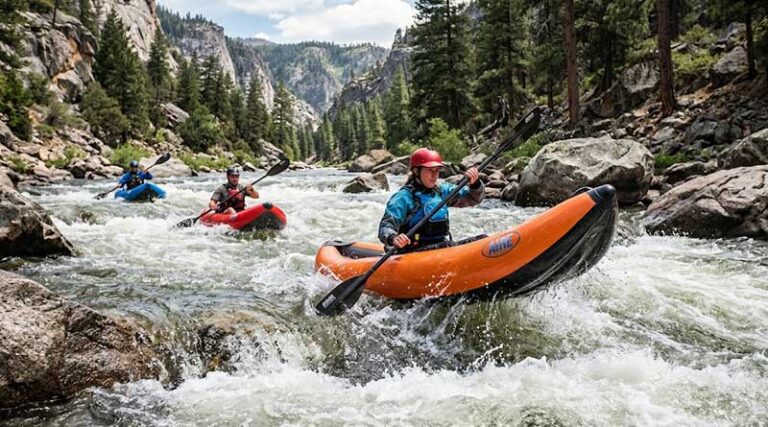
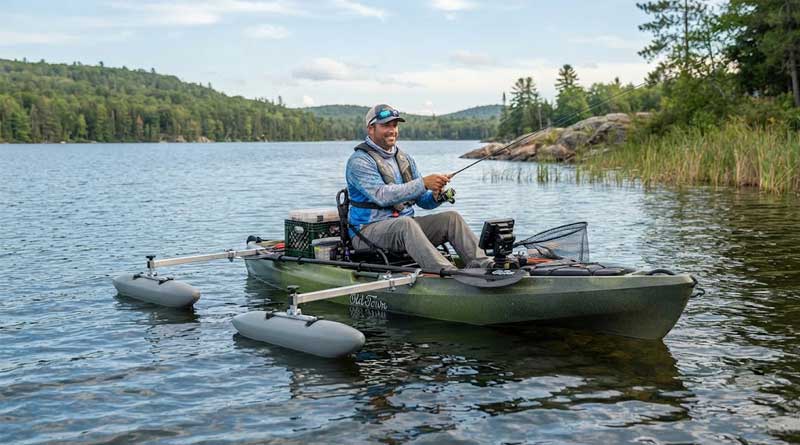
Kayaking offers an incredible way to explore open waters, but stability is often a major concern, especially for anglers, beginners, or those navigating choppy conditions. Kayak outrigger stabilizers provide the perfect solution, instantly expanding your vessel’s footprint to prevent tipping and boost confidence. Whether you want to stand up to cast a line or simply enjoy a calmer paddle, adding stabilizers transforms your experience. Here is a review of the top stabilizers available today to help you find the perfect match.
1. VEVOR Kayak Stabilizers

- Adjustable Length: Spans from 81.5 to 94 inches.
- Material: Heavy-duty PVC with air-tight sealed seams.
- Compatibility: Designed only for kayaks with existing holes.
- Inflation System: High-efficiency dual-valve structure.
The VEVOR Kayak Stabilizers offer an exceptional balance of security and convenience for various water activities. By significantly widening the operational base of your vessel, this inflatable system allows you to paddle, fish, or stand with confidence. The heavy-duty PVC construction ensures that the floats remain fully inflated even when facing moderate waves or rocky shorelines.
Setting up this kit is incredibly straightforward thanks to the adjustable connecting rod and the dual-valve system. The entire unit deflates quickly and folds into a compact size, making transport a breeze. However, you should ensure your kayak has compatible pre-drilled holes, as this specific model relies on them for mounting.
- Pros: Easy to inflate, highly adjustable width, compact for transport.
- Cons: Only fits kayaks with mounting holes.
2. YakGear Standncast Outriggers (Gen II)

- Arm Length: 30-inch adjustable outrigger arms.
- Mounting System: Included RAILBLAZA StarPort HD bases.
- Weight Capacity: Best for total weights under 350 lbs.
- Manufacturing: Made in the USA from durable plastic.
The YakGear Standncast Outriggers Gen II are specifically engineered to provide rock-solid stability for anglers who prefer to stand while casting. Crafted from high-grade plastic, these hard-shell floats eliminate any worries about punctures or air leaks. They connect securely to your watercraft using premium RAILBLAZA StarPort HD mounts, ensuring they stay firmly in place.
With their adjustable thirty-inch arms, you can easily customize the angle to suit different water conditions. While they are highly effective for lighter loads, they perform best when the total weight remains under three hundred and fifty pounds. They are an excellent investment for dedicated kayak anglers seeking long-term durability.
- Pros: Solid hard-shell design, high-quality mounts included, excellent for standing.
- Cons: Weight limit of 350 lbs, slightly heavier than inflatable options.
3. Brocraft Kayak Outrigger

- Material: High-strength marine-grade aluminum and corrosion-resistant hardware.
- Mounting Options: Compatible with track systems or direct hull installation.
- Design: Generation 2 adjustable stability system.
- Utility: Universal fit for most kayaks and canoes.
The Brocraft Kayak Outrigger stands out as an incredibly robust and versatile option for modern paddlers. Featuring high-strength aluminum arms, this system resists salt water corrosion and holds up well under intense physical stress. Its universal design makes it compatible with almost any kayak or canoe on the market today.
One of the best features of this system is its dual mounting capability. You can easily attach it to existing track systems or mount it directly to the hull of your vessel. This flexibility, combined with highly adjustable arms, lets you fine-tune your setup to achieve maximum balance and safety in rough waters.
- Pros: Heavy-duty aluminum construction, track-compatible mounting, highly versatile.
- Cons: Rigid arms take up more storage space, slightly more expensive.
4. DAUERHAFT Inflatable Kayak Stabilizer

- Float Type: Ultra-lightweight inflatable outrigger.
- Skill Level: Beginner-friendly design for all ages.
- Portability: Compact design for easy transport and storage.
- Inflation: Quick-inflate valve system for rapid setup.
The DAUERHAFT Inflatable Kayak Stabilizer is an excellent, budget-friendly entry point for anyone looking to increase their safety on the water. Its extremely lightweight construction ensures that it will not add drag or unnecessary weight to your kayak. This makes it a great option for recreational paddlers who prioritize ease of movement.
Beginners will appreciate how simple it is to inflate and install this stabilizer kit before launching. The overall craftsmanship focus ensures durable seams that hold air reliably throughout long afternoons of fishing or casual rowing. It is highly portable and stores away into small spaces when deflated.
- Pros: Very lightweight, simple and fast inflation, budget-friendly.
- Cons: Lacks rigid heavy-duty mounting, might feel less stable in rough seas.
5. Pactrade Marine Boat Kayak Outrigger Stabilizer

- Float Dimensions: 32 inches long and expands to 9 inches wide.
- Hardware: Includes 39-inch side arms and a 27.5-inch mounting bar.
- Total Weight: Ultra-lightweight setup at only 7 pounds.
- Bonus Accessory: Comes with a high-visibility floating keychain.
The Pactrade Marine Outrigger Stabilizer provides a comprehensive solution for both seasoned anglers and casual boaters looking for enhanced stability. The two durable PVC floats inflate with just a few deep breaths and can be deflated rapidly via the dual-valve design. Weighing only seven pounds in total, this system delivers incredible balance without burdening your kayak.
The adjustable steel mounting bar secures easily to most canoes and kayaks, while locking ferrules ensure the side arms stay locked in. Additionally, the inclusion of repair patches and a free floating keychain shows excellent attention to detail. This robust setup is backed by a helpful one-year limited warranty.
- Pros: Includes repair patches, lightweight 7-pound total weight, one-year warranty.
- Cons: Steel components require thorough rinsing after saltwater use to prevent rust.
How to Choose the Best Kayak Outrigger Stabilizer
Understanding Your Stability Needs on the Water
Before purchasing an outrigger stabilizer, you must evaluate how you plan to use your kayak. Different activities demand varying levels of balance. For instance, casual recreational paddlers navigating calm lakes may only need minimal assistance, whereas active stand-up anglers require maximum rigidity to support their shifting center of gravity. Understanding your primary environment and use case is the first step toward making a smart purchase.
Inflatable vs. Rigid Hard-Shell Floats
Stabilizers generally fall into two categories based on float material: inflatable PVC or rigid hard-shell plastic. Each material has distinct advantages and trade-offs that affect performance, storage, and ease of transport.
Inflatable PVC Floats
Inflatable outriggers are favored for their incredible portability and lightweight design. Made from heavy-duty, puncture-resistant PVC, these floats can be inflated in a few minutes at the shoreline and deflated just as quickly for storage. This makes them ideal for paddlers who travel in compact vehicles or have limited storage space at home. However, they carry a slight risk of puncture and can feel slightly less rigid when standing on your kayak.
Rigid Plastic Floats
Rigid hard-shell outriggers, often constructed from durable polyethylene, offer absolute peace of mind. There is zero risk of puncture, and they provide an extremely solid platform that is ideal for standing, casting, and reeling in heavy fish. The trade-off is their bulk. Rigid floats do not deflate, meaning they require dedicated transport space on your vehicle’s roof rack or inside your truck bed.
Mounting Systems and Compatibility
Your kayak construction dictates which outrigger mounting system will work best. Installing a stabilizer improperly can damage your hull or fail during use, so ensuring compatibility is vital.
Track Mount Systems
Many modern fishing kayaks come equipped with accessory tracks. Stabilizers designed for track systems mount directly into these tracks without requiring you to drill new holes into your boat. This is the cleanest and most adjustable mounting style available.
Deck Mounts and Scupper Hole Mounts
If your kayak lacks tracks, you will need to look at deck-mounted options or scupper hole stabilizers. Deck mounts require drilling into the hull to secure base ports, which provides a highly stable connection. Scupper hole mounts utilize the existing drainage holes in your kayak, which avoids drilling but limits placement options to where the scupper holes are located.
Arm Length and Adjustability
The length of the outrigger arms determines how far the floats sit from your kayak hull. A wider stance provides significantly more stability but increases water resistance and makes paddling slightly more difficult. Conversely, a narrower stance keeps your kayak nimble but offers slightly less anti-tipping support. Choosing a system with adjustable arms allows you to find the perfect middle ground for any water condition.
Weight Capacity Considerations
Every stabilizer system has a weight rating that you should never exceed. Remember to calculate your total weight, which includes your body weight, your kayak, and all of your gear. Exceeding the recommended limit will submerge the floats too deeply, creating excessive drag and reducing their overall effectiveness in keeping you upright.
Comparison of Outrigger Types
The following table summarizes the key differences between the major stabilizer types to help simplify your decision process.
| Feature | Inflatable PVC Outriggers | Rigid Hard-Shell Outriggers |
|---|---|---|
| Portability | Excellent (Deflates and folds) | Poor (Bulky, rigid shape) |
| Durability | Good (Puncture risk exists) | Excellent (Indestructible plastic) |
| Setup Time | Moderate (Requires inflation) | Fast (Simple lock-and-go) |
| Best For | Travelers and casual paddlers | Dedicated stand-up anglers |
Key Factors to Keep in Mind
- Ensure the metal components are made of aluminum or stainless steel to prevent rapid rusting.
- Always rinse your outrigger system with fresh water after using it in saltwater environments.
- Look for dual-valve systems on inflatable models to ensure quick inflation and deflation.
- Consider the overall weight of the stabilizer system to avoid bogging down your kayak.
Environmental Factors
Where you paddle plays a major role in your choice. Calm lakes and slow-moving rivers are perfect for lightweight, inflatable systems. However, if you regularly paddle in coastal coastal waters, bay areas, or fast-flowing rivers, a more robust, rigid system with marine-grade hardware is highly recommended to withstand waves and potential impacts with rocks or logs.