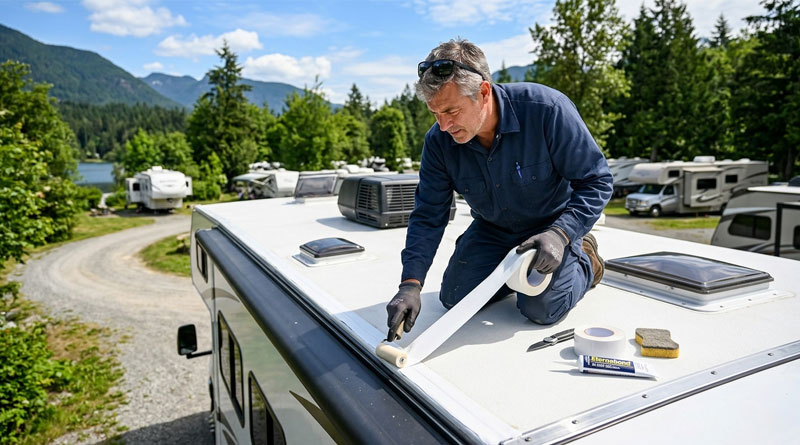
Protecting your RV from water damage starts with a high-quality barrier against the elements. Roof sealant tapes provide a permanent, waterproof shield for seams, vents, and tears, ensuring your interior stays dry through heavy storms. Our guide reviews the top-rated tapes that offer superior UV resistance and easy application for long-lasting camper maintenance.
1. Dicor BT-1834-1 Butyl Seal Tape
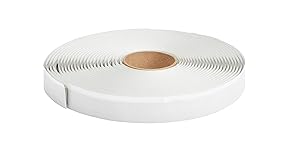
- Dimensions: 1/8″ x 3/4″ x 30′
- Material: Flexible Butyl Rubber
- Adhesive: High-tack elastomer
- Application: Under-frame and joint sealing
The Dicor Butyl Seal Tape is an essential secondary barrier designed for the meticulous RVer. Unlike surface-applied patches, this tape is engineered to sit underneath vents, windows, and molding frames. It excels at filling uniquely shaped joints and irregular surfaces, providing a continuous, skip-free seal that prevents water from creeping into the structural layers of your camper.
Its flexible elastomer construction allows the tape to conform to unusual patterns and S-locks without leaving gaps. When used in conjunction with a liquid lap sealant, it creates a formidable double barrier against leaks. This tape remains tacky and pliable over time, ensuring that the vibrations of travel do not break the waterproof bond, making it a professional choice for major installations.
- Pros:
- Conforms to irregular shapes
- No skips or runs in seal
- Excellent double barrier protection
- Cons:
- Intended for under-frame use
- Requires trim work after install
2. Beech Lane RV Roof and Leak Permanent Repair Tape

- Size: 4″ x 50′ roll
- Durability: UV and weatherproof
- Adhesive: Advanced permanent sealant
- Color: White finish
Beech Lane provides a heavy-duty solution for those facing urgent roof leaks or needing long-term seam reinforcement. This 4-inch wide tape is designed to cover large areas quickly, creating an airtight and watertight bond that stops leaks instantly. It is specifically formulated to withstand the harsh conditions of road travel, including extreme temperature fluctuations and constant exposure to direct sunlight.
The white finish blends seamlessly with most RV roofing materials, maintaining a clean aesthetic while providing industrial-strength protection. It is a one-step repair system that eliminates the need for messy liquid sealants in most scenarios. Whether you are patching a tear from a low-hanging branch or resealing a skylight, this tape offers the reliability needed for permanent, worry-free camper maintenance.
- Pros:
- Stops leaks instantly
- Wide 4-inch coverage
- Highly UV resistant
- Cons:
- Extremely sticky; hard to reposition
- Requires thorough surface prep
3. EternaBond RoofSeal MicroSealant Tape
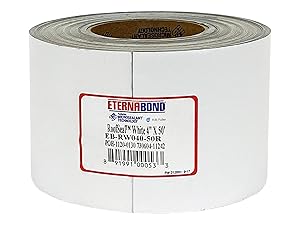
- Technology: Advanced MicroSealant
- Thickness: 35 mil total
- Temperature: Flexible to -57°C
- Compatibility: EPDM, TPO, Metal, Wood
EternaBond RoofSeal is widely considered the gold standard in the RV community for permanent roof repairs. Utilizing advanced MicroSealant technology, this tape creates an molecular bond that is virtually impossible to remove once set. It is an all-in-one system that provides a waterproof, air-tight barrier without the need for additional primers or top-sealing, remaining flexible in temperatures as low as -70°F.
The aluminum backing combined with the adhesive layer offers incredible resistance to abrasion and corrosion. It is highly UV stable, meaning it won’t crack or degrade under intense sun exposure. From metal buildings to EPDM camper roofs, this tape bonds to almost any surface. It is the go-to choice for travelers who want a professional-grade, one-step repair that will likely outlast the RV itself.
- Pros:
- Industry-leading durability
- Extreme temperature flexibility
- Bonds to various materials
- Cons:
- Permanent; cannot be removed
- Premium price point
4. Kohree White Waterproof RV Sealant Tape

- Composition: Premium Butyl rubber
- Coverage: 4 Inch x 50 Foot
- Suitability: Metal, PVC, TPO, EPDM
- Resistance: Moisture and corrosive chemicals
Kohree RV Sealant Tape is a versatile and cost-effective solution for a wide range of mobile repair needs. This tape is specially designed to handle the unique challenges of RV roofing, windows, and doors. The high-quality butyl adhesive ensures a self-priming seal that remains water-tight against rain, snow, and vapor, protecting your investment from the damaging effects of extreme weather and humidity.
The tape is remarkably flexible, allowing for easy installation on flat surfaces, tight curves, and sharp corners. It is compatible with almost all RV roofing variants, including EPDM and Hypalon. Its long lifespan and resistance to corrosive chemicals make it a dependable choice for sealing fifth wheels, airstreams, and buses. It provides a clean, white finish that helps keep your camper looking well-maintained and leak-free.
- Pros:
- Excellent value for length
- Very flexible for corners
- Strong chemical resistance
- Cons:
- Requires tamping for best bond
- Adhesive can be messy
5. PAULINN Professional RV Roofing Repair Tape
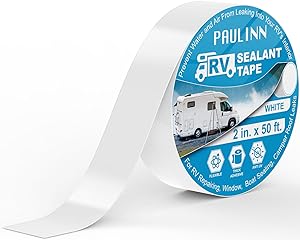
- Width: 2 Inch slim profile
- Coating: Protective silicone layer
- Temp Range: -40°C to 100°C
- Technology: Self-priming air-free bond
The PAULINN professional tape is designed for RVers who want an industrial-grade seal with a natural, aesthetic finish. Its pure white color is specifically calibrated to match modern RV roofs, avoiding the “messy asphalt” look of some utility tapes. The self-priming technology ensures it fills gaps and covers uneven surfaces instantly, and with a bit of tamping, it creates a bond free of air bubbles.
Featuring a silicone protective coating, this tape is exceptionally UV resistant and won’t crack in high heat. It is an ideal choice for sealing narrow seams around vents or reinforcing window edges where a 4-inch tape might be too wide. While it works on EPDM, TPO, and wood, it is important to avoid using it over silicone or mineral spirits to ensure the adhesive reaches its maximum permanent strength.
- Pros:
- Matches RV roof color
- Bubble-free application
- High temperature tolerance
- Cons:
- Narrower 2-inch width
- Incompatible with silicone
6. CircleRoad White Butyl RV Repair Tape

- Material: High-quality Butyl
- Dimensions: 4″ x 50′
- Temp Range: -40℉ to 150℉
- Base: All-white surface and core
CircleRoad offers a reliable, large-format tape that is perfect for DIY RV repairs. With 50 feet of material, it provides enough coverage for multiple projects, from sealing the main roof seams to patching leaks in boats or trailers. The high-quality butyl is specifically formulated to resist bad weather, including heavy snow and driving wind, providing a durable barrier that protects your interior from water intrusion.
This tape is noted for its “Natural White” appearance, which extends through both the surface and the adhesive core for a clean look. It bonds successfully to wood, vinyl, glass, and metal, making it a versatile tool for any motorhome owner. By handling your own roof maintenance with this reliable tape, you can save significant time and money while keeping your camper in top condition for your next road trip.
- Pros:
- Great coverage for the price
- Bonds to many surfaces
- Clean all-white look
- Cons:
- Upper temp limit is 150℉
- Heavier than slim tapes
7. CHUANGSEED PDA Film RV Sealant Tape

- Backing: Durable PDA Film
- Adhesive: Super-sticky Butyl
- Flexibility: Remains pliable to -58°C
- Size: 4 Inch x 50 Foot
The CHUANGSEED RV sealant tape utilizes a unique PDA film backing to provide industry-leading abrasion and corrosion resistance. This film creates a protective coating that is both durable and flexible, making it ideal for the high-impact environment of an RV roof. Combined with premium butyl rubber, it forms an airtight and moisture-proof barrier that requires no additional sealing products to maintain its integrity over time.
This tape is exceptionally easy to install on flat surfaces, corners, and curves. It bonds readily to fiberglass, galvanized steel, and TPO, resisting UV rays and corrosive chemicals that typically degrade lesser materials. Its ability to remain flexible in extreme cold ensures that the seal won’t crack during winter storage. It is a rugged, one-step patch and repair system that keeps your RV protected in the harshest outdoor conditions.
- Pros:
- High abrasion resistance
- No extra sealant required
- Bonds well to fiberglass
- Cons:
- PDA film is less elastic
- Hard to cut without sharp tools
How to Choose RV Roof Sealant Tapes
Water is the single greatest enemy of any recreational vehicle. A small seam failure or a pinhole leak in the roof can lead to mold, rotted subfloors, and thousands of dollars in structural repairs. While liquid sealants have their place, modern RV roof sealant tapes have revolutionized DIY maintenance. They offer a permanent, mess-free, and incredibly durable solution for stopping leaks before they start. Choosing the right one requires understanding your roof material and the specific stresses your camper faces on the road.
Identifying Your Roof Material
Before you purchase any tape, you must know what your roof is made of. Most modern RVs feature EPDM (rubber) or TPO (thermoplastic). Others may have fiberglass or aluminum roofs. While many high-quality sealant tapes are “universal,” some adhesives bond better to certain materials. For example, tapes designed for EPDM need to be able to expand and contract at the same rate as the rubber. Always check the manufacturer’s compatibility list to ensure the tape will create a molecular bond with your specific roof type.
Butyl vs. MicroSealant Technology
There are two primary types of adhesives used in RV tapes: Butyl and advanced MicroSealants. Butyl tape is a traditional, cost-effective rubber-based adhesive. It is excellent for sealing under frames, windows, and vents because it remains pliable and fills gaps well. However, for surface repairs and seam sealing, MicroSealant technology (like that found in EternaBond) is superior. MicroSealants create a permanent, non-curing bond that gets stronger over time and is virtually impervious to UV degradation and extreme temperature shifts.
Understanding Tape Width and Thickness
Size matters when it comes to sealing. For long seams or large patches, a 4-inch wide tape is the standard, as it provides enough surface area on either side of the leak to ensure a secure bond. Narrower 2-inch tapes are better for detail work around small fixtures or tight corners. Thickness is measured in “mils” (one-thousandth of an inch). A thicker tape (30-35 mils) generally offers better abrasion resistance and is more capable of spanning small gaps or covering protruding screw heads without puncturing.
The Importance of UV Stability
Your RV roof is essentially a solar oven. It sits under direct sunlight for hours, which can quickly dry out and crack inferior adhesives. The best RV roof sealant tapes feature a UV-stable backing—often made of a specialized film or aluminum—that reflects heat and protects the adhesive layer. Without UV stability, a tape that looks great today will be brittle and peeling within six months. Look for tapes that specifically mention UV protection in their technical specifications to ensure a multi-year lifespan.
Temperature Range and Flexibility
RVs move through diverse climates, from freezing mountain passes to desert heat. A good sealant tape must remain flexible throughout this entire range. If a tape becomes brittle in the cold, it will crack as the RV chassis flexes during travel. Conversely, if it becomes too liquid in the heat, it can “run” or lose its bond. High-quality tapes are typically rated to stay flexible from -40°F to over 200°F. This thermal stability is what separates a permanent RV repair from a temporary hardware-store fix.
Surface Preparation: The Secret to Success
No matter how expensive your sealant tape is, it will fail if the surface isn’t prepared correctly. RV roofs accumulate a layer of “chalk,” oils, and dirt that prevent adhesives from bonding. You must clean the area thoroughly with a non-petroleum-based cleaner (like isopropyl alcohol or specialized EPDM cleaner). Any residue from old silicone or mineral spirits will act as a release agent, causing the tape to peel. Proper preparation is 90% of the job when it comes to a permanent seal.
Ease of Application and “One-Step” Systems
For many DIYers, ease of use is a top priority. One-step sealant tapes are popular because they require no additional primers or top-coats. However, these adhesives are often “high-tack,” meaning they stick instantly. You generally get one chance to lay the tape down correctly. Look for tapes with a release liner that is easy to peel and consider using a small seam roller after application. Pressure activates the adhesive, forcing it into the pores of the roofing material for a truly permanent connection.
Aesthetics and Color Matching
While function is primary, you don’t want your RV roof to look like a patchwork quilt. Most sealant tapes come in white, black, or grey. Choosing a “Natural White” tape that matches your roof color provides a cleaner, more professional look. This is especially important if the tape is visible from the ground or if you plan on selling the RV in the future. A well-applied, color-matched tape can actually increase the perceived value of the vehicle by showing that the owner took maintenance seriously.