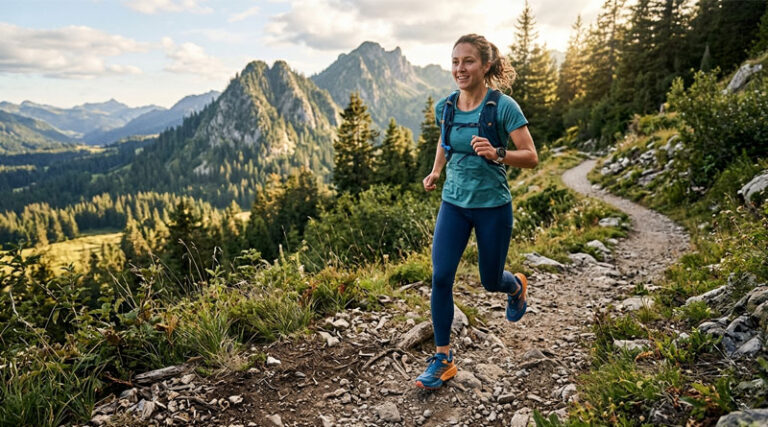
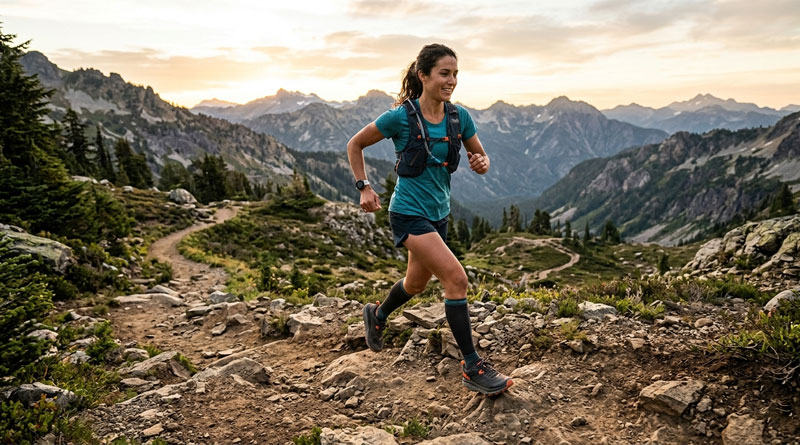
If you overpronate—meaning your feet roll inward too much when you run—choosing the right trail shoe is key to staying comfortable and injury-free. The best trail running shoes for overpronation offer firm arch support and a sturdy base to correct your stride on uneven ground. In this article, we’ve picked top models that balance stability, grip, and cushioning for your off-road adventures.
1. Topo Athletic Terraventure 5

- Drop: 3 mm
- Midsole: ZipFoam™ EVA/TPU
- Outsole: Vibram Megagrip
- Rock Plate: Yes
The Topo Athletic Terraventure 5 is a specialized tool for runners who demand stability on the most technical terrain. Its standout feature is the combination of a secure, anatomical fit with a rugged Vibram Megagrip outsole that provides exceptional traction on wet or loose surfaces. The inclusion of a forefoot rock plate ensures your feet remain protected from sharp stones and jagged roots during long mountain efforts.
Constructed with a recycled engineered mesh upper, this shoe balances environmental consciousness with durability. The ZipFoam midsole offers a moderate level of cushioning that remains responsive without feeling mushy, allowing for better ground feel. It is a fantastic option for those who prefer a lower drop and a wide toe box while navigating rugged trails. The vegan-friendly build is an added bonus for ethical adventurers.
Pros: Excellent grip, protective rock plate, sustainable materials.
Cons: Moderate cushioning may feel firm on hard-packed roads.
View Men’s at REI View Women’s at REI
2. Altra Lone Peak 9

- Drop: 0 mm
- Stack Height: 25 mm
- Midsole: Altra EGO foam
- Outsole: MaxTrac rubber
The Altra Lone Peak 9 continues its legacy as a favorite for trail runners and hikers who value a natural foot position. Featuring the signature zero-drop platform and a spacious toe box, this update improves upon the midsole and outsole for better longevity. The Altra EGO foam provides a comfortable, responsive ride that feels energetic over varied terrain, making it suitable for both short sprints and all-day treks.
Durability is a key focus here, with a ripstop mesh upper designed to withstand the abrasions of thick brush and rocky paths. Underneath, the MaxTrac rubber outsole delivers reliable grip while the built-in rock plate shields the foot from impacts. It remains a lightweight yet rugged choice for those who want a reliable companion for any trail length. The balance of protection and flexibility makes it highly versatile.
Pros: Spacious toe box, lightweight feel, natural foot positioning.
Cons: Zero-drop design requires an adaptation period for some runners.
View Men’s at REI View Women’s at REI
3. Saucony Peregrine 16

- Drop: 4 mm
- Weight: 1 lb. 3 oz.
- Midsole: PWRRUN foam
- Outsole: Vibram Megagrip
The Saucony Peregrine 16 is engineered for speed and confidence on messy, rugged trails. With an increased amount of PWRRUN foam, the shoe offers a softer landing than previous versions without sacrificing the nimble feel the series is known for. The Vibram Megagrip outsole is the star here, providing elite-level traction on slippery roots and wet rocks, allowing you to maintain pace regardless of the underfoot conditions.
This shoe is built for the technical specialist who needs a protective barrier against the elements. A rock plate is integrated into the midsole to prevent bruising from sharp objects, while the synthetic mesh upper provides a locked-in fit. It is one of the lighter options in the rugged-trail category, making it an excellent choice for racing or fast-paced training sessions. The recycled lining adds a touch of sustainability to the performance.
Pros: High-performance grip, lightweight construction, responsive cushioning.
Cons: The fit might feel a bit narrow for wide-footed runners.
View Men’s at REI View Women’s at REI
4. HOKA Speedgoat 7

- Drop: 5 mm
- Stack Height: 37.3 mm (Heel)
- Midsole: Supercritical foam EVA
- Outsole: Vibram Megagrip
The HOKA Speedgoat 7 reaches new heights of performance with the introduction of supercritical foam in the midsole. This update provides a significantly more responsive and energetic ride compared to traditional EVA foams, helping you power through climbs and maintain speed on descents. Despite the high stack height, the shoe remains remarkably stable, making it a reliable workhorse for ultra-marathon distances and demanding mountain trails.
Upper durability is enhanced through a blend of textile and synthetic materials, ensuring the shoe holds up against debris. While it lacks a traditional rock plate, the thick supercritical foam provides plenty of natural protection from the ground. The Vibram Megagrip outsole ensures you stay glued to the trail in all weather conditions. It is a vegan-friendly powerhouse designed for runners who prioritize maximum energy return and comfort over long miles.
Pros: Exceptional energy return, superior cushioning, elite traction.
Cons: No dedicated rock plate; high stack height may feel tall for some.
View Men’s at REI View Women’s at REI
5. Topo Athletic Pursuit 3

- Drop: 0 mm
- Stack Height: 28 mm
- Midsole: ZipFoam™
- Outsole: Vibram Megagrip
The Topo Athletic Pursuit 3 is designed for the zero-drop enthusiast who wants more protection than a minimalist shoe but prefers a natural foot strike. With a 28mm stack height, it offers a plush, well-cushioned feel that absorbs impact without losing the connection to the trail. The ZipFoam midsole provides a balanced blend of softness and rebound, making it ideal for runners who tackle gritty, technical terrain regularly.
The shoe features a wide, anatomical toe box that allows for natural toe splay, while the Vibram Megagrip outsole delivers aggressive traction on steep inclines and slick surfaces. Although it does not include a rock plate, the midsole thickness is sufficient for most rugged paths. It is a vegan-friendly option that combines recycled materials with high-performance engineering to create a comfortable, durable, and environmentally conscious trail shoe for all-day adventures.
Pros: Natural toe splay, plush cushioning, reliable Vibram grip.
Cons: Lack of rock plate may be felt on very sharp, technical terrain.
View Men’s at REI View Women’s at REI
6. Altra Superior 7

- Drop: 0 mm
- Cushioning: Minimal
- Upper: Engineered knit / TPU overlays
- Outsole: MaxTrac
For runners who crave a lightweight, nimble experience, the Altra Superior 7 is the ultimate choice for light-trail exploration. This shoe focuses on speed and agility, featuring a minimal cushioning profile that provides excellent ground feel and responsiveness. The zero-drop platform and engineered knit upper work together to provide a sock-like fit that moves naturally with your foot, making it perfect for fast-paced short runs or park trails.
While lightweight, the Superior 7 doesn’t skimp on essential protection. The upper is reinforced with TPU overlays and protective netting to guard against debris. The MaxTrac outsole offers enough bite for moderate dirt and gravel paths, though it is less aggressive than rugged-trail models. This shoe is ideal for those who want to feel the terrain beneath them while enjoying the freedom of a flexible, low-profile design that doesn’t weigh them down.
Pros: Very lightweight, excellent ground feel, breathable knit upper.
Cons: Minimal cushioning is not ideal for long distances or rocky trails.
View Men’s at REI View Women’s at REI
7. Topo Athletic Ultraventure 4

- Drop: 5 mm
- Cushioning: Maximum
- Midsole: ZipFoam
- Outsole: Vibram XS Trek EVO
The Topo Athletic Ultraventure 4 is the go-to option for high-mileage days where comfort is the absolute priority. Featuring maximum cushioning via a thick ZipFoam midsole, this shoe is designed to reduce foot fatigue on long, moderate trails. The 5mm drop provides a more traditional feel for those not ready for zero-drop, while the anatomical toe box remains a staple for preventing hot spots and blisters during endurance efforts.
The outsole uses Vibram XS Trek EVO rubber, which is specifically engineered for durability and flexibility on varied terrain. While it excels on light trails and dirt paths, the lack of a rock plate suggests it is best suited for less technical surfaces. The recycled mesh upper is breathable and secure, making this vegan-friendly shoe a sustainable and reliable choice for anyone looking to increase their weekly mileage without sacrificing foot health or comfort.
Pros: Exceptional comfort for long distances, durable outsole, spacious fit.
Cons: Lacks a rock plate; not designed for extremely technical rock hopping.
View Men’s at REI View Women’s at REI
8. Brooks Cascadia 19

- Drop: 6 mm
- Midsole: DNA LOFT v3
- Outsole: TrailTack Green
- Rock Plate: Yes
The Brooks Cascadia 19 remains a titan of the trail world, offering a stable and protective ride that can handle almost any environment. The nitrogen-infused DNA LOFT v3 midsole provides maximum cushioning that is both soft and impressively lightweight. This version focuses on adaptability, ensuring the shoe flexes with the terrain while the integrated rock plate protects the foot from sharp protrusions, giving you total confidence on rugged paths.
The TrailTack Green rubber outsole provides dependable traction on both uphill climbs and downhill descents, even in wet conditions. The upper features 3D Fit Print air mesh for a structured yet breathable fit that keeps the foot secure. Being vegan-friendly and highly durable, the Cascadia 19 is a versatile all-rounder that appeals to both seasoned trail runners and those looking for a reliable hiking crossover shoe. It is a benchmark for rugged stability.
Pros: Highly stable ride, protective rock plate, responsive nitrogen-infused foam.
Cons: Slightly heavier than some specialized racing models.
View Men’s at REI View Women’s at REI
9. New Balance Fresh Foam X Hierro v9

- Drop: 4 mm
- Stack Height: 42 mm (Heel)
- Midsole: Fresh Foam X
- Outsole: Vibram Megagrip
The New Balance Fresh Foam X Hierro v9 is the ultimate “trail sofa” for those who prioritize a soft, cushioned ride above all else. With a massive 42mm heel stack height, the Fresh Foam X midsole—now featuring bio-based EVA—delivers a cloud-like experience that excels on light trails and long forest roads. It is designed to take the sting out of every step, making it a fantastic choice for recovery runs or long-distance exploration.
Despite its focus on comfort, it remains highly capable thanks to the Vibram Megagrip outsole, which ensures you won’t lose your footing on slippery surfaces. The synthetic and mesh upper provides a premium feel and a secure fit. While it lacks a rock plate and is classified for light trails, its sheer volume of foam provides significant underfoot protection. It is a stylish, high-performance shoe for runners who want maximalist cushioning for their off-road adventures.
Pros: Incredible cushioning, high-quality Vibram grip, eco-friendly midsole materials.
Cons: No rock plate; very high stack height may feel less stable on technical terrain.
View Men’s at REI View Women’s at REI
10. La Sportiva Bushido III

- Drop: 6 mm
- Stack Height: 19 mm (Heel)
- Outsole: FriXion XT 2.0
- Rock Plate: Yes
The La Sportiva Bushido III is a precision instrument built for the most technical and demanding mountain terrain. Designed for the skyrunner, it features a low-profile stack height that offers unparalleled stability and ground feel. The updated FriXion XT 2.0 outsole with 4mm lugs provides aggressive grip on steep, rocky inclines, while the TPU STB inserts offer lateral support that keeps your foot from rolling on uneven surfaces.
The construction is incredibly durable, featuring ripstop overlays and a TPU toe cap to withstand harsh alpine environments. A dual-density EVA rock guard in the forefoot ensures protection against sharp stones during fast descents. While the cushioning is moderate and firm, it is precisely what technical runners need for a secure and responsive ride. This vegan-friendly shoe is the gold standard for those who treat the mountains like a playground.
Pros: Superior technical stability, extreme durability, aggressive mountain grip.
Cons: Firm cushioning may feel too hard for long stretches of flat road.
View Men’s at REI View Women’s at REI
Navigating the Terrain: A Comprehensive Guide to Trail Running Shoes for Overpronation
Trail running offers a unique escape from the monotony of pavement, providing runners with fresh air, challenging elevation changes, and a direct connection to nature. However, for runners who deal with overpronation—a common biomechanical trait where the foot rolls excessively inward upon landing—the uneven surfaces of a trail can present significant challenges. Selecting the right footwear is not just about comfort; it is about injury prevention and performance optimization. This article delves into the mechanics of overpronation, the specific requirements of trail environments, and how to select the perfect pair of stability trail shoes.
Understanding Overpronation in a Trail Context
Overpronation occurs when the arch of the foot collapses more than is considered “neutral” during the gait cycle. In road running, this repetitive inward roll on a flat surface often leads to overuse injuries like shin splints, plantar fasciitis, or runner’s knee. When you transition to trails, the stakes change. Trail surfaces are inherently unstable, featuring rocks, roots, mud, and loose gravel. This instability can exacerbate the effects of overpronation, as the foot struggles to find a level platform, potentially leading to acute injuries like ankle sprains or increased stress on the medial side of the leg.
The Gait Cycle and the Trail
In a standard gait cycle, the foot lands on the outside of the heel and rolls inward (pronates) to absorb shock. For overpronators, this roll continues too far, putting pressure on the big toe and second toe. On a trail, your foot rarely lands perfectly flat. You might land on a slanted rock or a soft patch of pine needles. A shoe designed for overpronation provides the structural integrity to help “reset” the foot toward a neutral position even when the ground beneath is shifting.
Key Features to Look For in Trail Stability Shoes
When shopping for trail running shoes for overpronation, you cannot simply look for the “stability” tag used in road shoes. Trail shoes require a different blend of support, protection, and traction.
Medial Postings and Dual-Density Midsoles
The hallmark of a stability shoe is often a medial post—a firmer piece of foam located on the inside (medial side) of the midsole. This firmer material resists compression, slowing down the inward roll of the foot. In trail shoes, manufacturers often use “dense” foams or TPU (Thermoplastic Polyurethane) inserts. These are designed to be durable enough to withstand the compression forces of rugged terrain without losing their corrective properties.
Guide Rails and Holistic Support
Modern footwear design has moved toward “guide rails.” Unlike traditional medial posts that only address the arch, guide rails act like bumpers on a bowling alley. They provide support on both the medial and lateral sides, ensuring the foot stays in its natural path of motion. This is particularly effective for trail running because it manages overpronation during descents and lateral movements where a traditional post might feel too intrusive.
Torsional Rigidity and Rock Plates
A shoe that twists too easily (low torsional rigidity) can be a nightmare for an overpronator on technical trails. You want a shoe with a degree of stiffness through the midfoot. This often comes from a “rock plate”—a hard plastic or carbon fiber layer embedded in the sole. While its primary job is to protect your feet from sharp objects, it also provides a stable platform that prevents the shoe from deforming excessively when you step on uneven ground.
The Importance of Outsole Design and Traction
While the midsole handles the overpronation, the outsole keeps you upright. For overpronators, traction is a secondary form of stability. If your foot is slipping, your biomechanics will break down, leading to even more pronounced inward rolling.
Lug Depth and Pattern
Look for multi-directional lugs. Deep lugs (5mm or more) are essential for mud and loose dirt, while shorter, more closely spaced lugs are better for hard-packed trails and rock. For overpronators, a wider “outrigger” or a flared outsole at the heel and forefoot can provide a wider base of support, making it harder for the ankle to roll inward or outward.
Rubber Compounds
The stickiness of the rubber matters. Brands like Vibram or proprietary “sticky rubber” compounds provide better grip on wet rocks and logs. A secure grip means your foot doesn’t have to “hunt” for stability, allowing the shoe’s internal support structures to do their job effectively.
Sizing and Fit: The Trail Runner’s Nuance
The best stability features in the world won’t help if the shoe doesn’t fit correctly. Trail running causes the feet to swell more than road running due to the heat and the constant impact.
The Toebox and Heel Lock
Overpronators often benefit from a slightly wider toebox to allow for natural toe splay, which provides a more stable base. However, the heel must remain locked in place. If your heel slips, your foot will slide forward and inward, negating the stability features of the midsole. Look for shoes with a “heel counter”—a stiff reinforcement in the back of the shoe that holds the calcaneus (heel bone) in place.
Volume and Lacing Systems
Ensure the shoe has enough volume to accommodate your foot without being “sloppy.” Many trail runners prefer a “ghillie” lacing system or integrated overlays that wrap around the midfoot, creating a “cage” that keeps the foot centered over the stability post.
Common Myths About Stability Trail Shoes
There are several misconceptions that can lead overpronators to make the wrong choice. It is important to distinguish between road-running logic and trail-running reality.
Myth 1: You Need the Most Expensive Shoe
Price does not always equate to stability. Some high-end shoes are designed for elite racing and are incredibly minimal and unstable. Look for the specific “stability” or “support” category rather than the price tag.
Myth 2: “Motion Control” is Necessary
In the past, heavy overpronators were steered toward “motion control” shoes—bulky, heavy, and stiff. On trails, these can actually be dangerous as they don’t allow the foot to adapt to the terrain at all. Most trail runners are better off with a “moderate stability” shoe that offers a balance of support and flexibility.
Myth 3: Waterproofing is Always Better
Gore-Tex or waterproof membranes are great for snow, but they can make shoes stiffer and hotter. For many overpronators, a more flexible, breathable mesh allows the foot to move more naturally, which can sometimes be more comfortable than a rigid waterproof upper.
Maintaining Your Trail Shoes for Longevity
Stability shoes lose their effectiveness once the foam degrades. Trail running is particularly hard on shoes. Mud and grit can act like sandpaper on the stitching and the midsole foam.
Cleaning and Drying
Never put trail shoes in the dryer. The heat can break down the adhesives and the specialized stability foams. Instead, remove the insoles, rinse off the mud with cool water, and stuff them with newspaper to dry overnight in a well-ventilated area.
Tracking Mileage
A typical trail shoe lasts between 300 to 500 miles. However, for an overpronator, the medial side of the shoe may “compress” or “tilt” sooner. If you notice the shoe leaning inward when placed on a flat surface, or if you start feeling familiar aches in your arches or knees, it is time for a new pair.
Conclusion
Choosing trail running shoes for overpronation requires a thoughtful balance of biomechanical correction and rugged performance. By focusing on features like medial posts, rock plates, and secure heel locks, you can enjoy the technical challenges of the trail without sacrificing your joint health. Remember that every runner’s foot is different; what works for one person may not work for another. If possible, visit a specialty running store to have your gait analyzed on a treadmill and try on several pairs to find the one that feels like an extension of your foot. With the right gear, the only thing you’ll need to focus on is the path ahead.