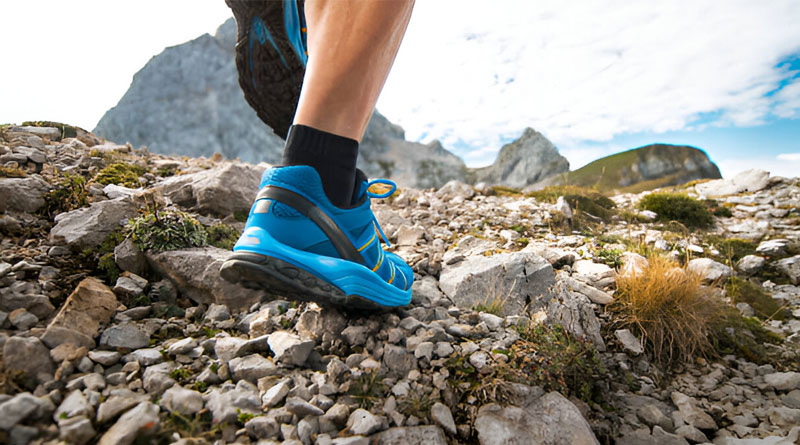
Trail running can be tough on your ankles, especially on rocky or uneven terrain. The right shoes can help prevent injuries. Good ankle support keeps you stable and reduces the risk of twisting or spraining your ankle. Some shoes offer higher collars for extra support, while others use strong materials and cushioning. The best choice depends on your running style and terrain. In this guide, we review the best trail running shoes for ankle support. We focus on comfort, stability, and durability. Whether you’re a beginner or an experienced runner, these shoes will help protect your ankles. Stay safe and enjoy your trail runs with the right footwear!
1. Topo Athletic Terraventure 5

- Trail Type: Rugged-Trail
- Cushioning: Moderate | Heel Stack: 25mm | Forefoot: 22mm
- Drop: 3mm
- Outsole: Vibram Megagrip | Rock Plate: Yes | Weight: 1 lb. 4.6 oz.
The Topo Athletic Terraventure 5 is built for runners who demand both protection and ground feel on demanding trails. Its ZipFoam EVA/TPU midsole delivers responsive cushioning without sacrificing the feedback you need on uneven surfaces, while the 3mm drop keeps your stride natural and efficient.
The Vibram Megagrip outsole is a standout feature, providing exceptional traction on wet rocks and loose dirt alike. The recycled engineered mesh upper balances breathability with durability, and the forefoot rock plate adds a welcome layer of underfoot protection on technical terrain. A solid all-rounder for rugged trails.
- Pros: Excellent Vibram traction, rock plate protection, eco-friendly materials, low 3mm drop
- Cons: Not ideal for ultra-cushioned runners, limited ankle height for deep mud
View Men’s at REI View Women’s at REI
2. Altra Lone Peak 9

- Trail Type: Rugged-Trail
- Cushioning: Moderate | Heel Stack: 25mm | Forefoot: 25mm
- Drop: 0mm (zero-drop)
- Outsole: MaxTrac rubber | Rock Plate: Yes | Weight: 1 lb. 6.4 oz.
The Altra Lone Peak 9 is a trusted icon in the trail running world, now refined with an updated outsole and midsole for even better performance. The zero-drop platform promotes a natural foot strike and equal weight distribution, making it a favorite for both runners and hikers tackling long distances on rugged terrain.
Altra EGO foam in the midsole provides a balanced blend of cushion and responsiveness, while MaxTrac rubber ensures reliable grip across varied surfaces. The ripstop mesh upper adds durability against trail debris. The integrated rock plate shields your feet effectively. A dependable choice for anyone committed to the zero-drop philosophy.
- Pros: Zero-drop promotes natural gait, durable ripstop upper, versatile for running and hiking
- Cons: Heavier than some competitors, zero-drop may require adjustment period
View Men’s at REI View Women’s at REI
3. Saucony Peregrine 16

- Trail Type: Rugged-Trail
- Cushioning: Moderate | Heel Stack: 32mm | Forefoot: 28mm
- Drop: 4mm
- Outsole: Vibram Megagrip rubber | Rock Plate: Yes | Weight: 1 lb. 3 oz.
The Saucony Peregrine 16 hits an impressive balance between cushion and weight, making it one of the lighter options in the rugged-trail category. Increased PWRRUN foam underfoot delivers a noticeably plush ride without adding bulk, and the 4mm drop keeps transitions smooth and efficient on varying terrain.
Vibram Megagrip on the outsole provides outstanding bite on wet roots and slick rocks, giving you the confidence to push your pace on technical trails. The synthetic/mesh upper with recycled PET lining is both durable and eco-conscious. Combined with a rock plate for underfoot protection, the Peregrine 16 is a well-rounded performer for off-road enthusiasts.
- Pros: Lightest in class, excellent Vibram grip, rock plate included, eco-friendly lining
- Cons: Moderate cushion may not satisfy max-cushion seekers, synthetic upper less breathable
View Men’s at REI View Women’s at REI
4. HOKA Speedgoat 7

- Trail Type: Rugged-Trail
- Cushioning: Moderate | Heel Stack: 37.3mm | Forefoot: 33.3mm
- Drop: 5mm
- Outsole: 100% rubber | Midsole: Supercritical foam EVA | Weight: 1 lb. 3.4 oz.
HOKA’s Speedgoat 7 sets the bar for energy return in trail running with its new supercritical foam EVA midsole. This reformulated foam is noticeably more responsive than previous generations, translating every stride into forward momentum. Despite the tall stack height, the shoe remains lightweight and surprisingly nimble underfoot.
The 100% rubber Vibram Megagrip outsole grips confidently across wet and dry surfaces, making this a true all-conditions trail shoe. A woven rPET lining adds eco-friendly credentials, and the textile/synthetic upper strikes a good balance of structure and breathability. No rock plate keeps the ride smooth and flexible, ideal for varied rugged trails. Vegan-certified as well.
- Pros: Highly responsive supercritical foam, excellent grip, lightweight for stack height, vegan
- Cons: No rock plate for technical rocky terrain, tall stack reduces ground feel
View Men’s at REI View Women’s at REI
5. Topo Athletic Pursuit 3

- Trail Type: Rugged-Trail
- Cushioning: Moderate | Heel Stack: 28mm | Forefoot: 28mm
- Drop: 0mm (zero-drop)
- Outsole: Vibram Megagrip | Midsole: ZipFoam EVA/TPU | Weight: 1 lb. 5.2 oz.
The Topo Athletic Pursuit 3 pairs zero-drop geometry with a well-cushioned ZipFoam EVA/TPU midsole for runners who want the benefits of a natural foot position without sacrificing plush comfort. The equal 28mm stack height front and back creates a level platform that promotes better posture and a more efficient running gait.
Vibram Megagrip delivers reliable traction on gritty, technical trails, while the recycled engineered mesh upper keeps things breathable and sustainable. No rock plate keeps the shoe flexible and light on the foot. Vegan-certified and eco-conscious, the Pursuit 3 is ideal for trail runners looking for a zero-drop shoe with real trail-worthy grip and comfort on longer efforts.
- Pros: Zero-drop with generous cushion, Vibram traction, eco-friendly, vegan-certified
- Cons: No rock plate, slightly heavier than minimalist alternatives
View Men’s at REI View Women’s at REI
6. Altra Superior 7

- Trail Type: Light-Trail
- Cushioning: Minimal | Heel Stack: 21mm | Forefoot: 21mm
- Drop: 0mm (zero-drop)
- Outsole: MaxTrac | Midsole: Compression-molded EVA | Weight: 1 lb. 3 oz.
The Altra Superior 7 is purpose-built for runners who prefer a connected, ground-feel experience on lighter trails. Its minimal 21mm stack height and zero-drop design maximize proprioception, allowing your feet to react naturally to the terrain beneath. Compression-molded EVA provides just enough cushion for comfort without dulling that trail feedback.
MaxTrac rubber on the outsole delivers adequate grip for light-trail conditions, while the engineered knit upper with TPU overlays and protective netting keeps the shoe durable and secure without adding unnecessary weight. At just 1 lb. 3 oz., it’s impressively light. No rock plate keeps it flexible and fast. Best suited for groomed or moderate trails rather than gnarly technical terrain.
- Pros: Ultralight, excellent ground feel, zero-drop, breathable knit upper
- Cons: Minimal cushion not for long distances, no rock plate limits technical terrain use
View Men’s at REI View Women’s at REI
7. Topo Athletic Ultraventure 4

- Trail Type: Light-Trail
- Cushioning: Maximum | Heel Stack: 35mm | Forefoot: 30mm
- Drop: 5mm
- Outsole: Vibram XS Trek EVO | Midsole: ZipFoam EVA/TPU blend | Weight: 1 lb. 4.8 oz.
Designed for long trail miles, the Topo Athletic Ultraventure 4 wraps your feet in maximum cushion without feeling clunky or sluggish. The ZipFoam EVA/TPU blend midsole absorbs the repeated impact of extended efforts, while the 5mm drop keeps your stride mechanics balanced and injury-friendly over marathon distances.
Vibram XS Trek EVO on the outsole delivers reliable multi-terrain traction, particularly excelling on mixed surfaces. The recycled mesh upper is both lightweight and durable, and the vegan construction adds sustainability appeal. While the lack of a rock plate makes it better suited for smoother light trails than sharp rocky ground, this shoe shines as a long-distance comfort workhorse for ultra runners and fastpackers alike.
- Pros: Maximum cushion for long efforts, Vibram XS Trek EVO grip, vegan-certified, eco-friendly materials
- Cons: No rock plate, better for light trails than technical rugged terrain
View Men’s at REI View Women’s at REI
8. Brooks Cascadia 19

- Trail Type: Rugged-Trail
- Cushioning: Maximum | Heel Stack: 35mm | Forefoot: 29mm
- Drop: 6mm
- Outsole: TrailTack Green | Midsole: DNA LOFT v3 | Weight: 1 lb. 5.4 oz.
The Brooks Cascadia 19 is a rugged trail shoe that pairs maximum cushioning with a stable, adaptive ride. DNA LOFT v3 foam molds to your foot with every step, delivering consistent comfort across varied terrain. The 6mm drop hits a sweet spot for runners transitioning between road and trail, keeping the ride familiar without compromising trail performance.
TrailTack Green rubber on the outsole provides all-around traction with an eco-conscious formula, complementing the vegan construction throughout. The 3D Fit Print air mesh upper offers excellent breathability and a secure fit without traditional overlays weighing it down. A rock plate rounds out the protection package. Reliable, protective, and sustainable — the Cascadia 19 is a proven choice for rugged trail running.
- Pros: Maximum cushion, adaptive DNA LOFT v3 foam, rock plate, vegan and eco-friendly
- Cons: Heavier than ultra-light options, 6mm drop not ideal for zero-drop purists
View Men’s at REI View Women’s at REI
9. New Balance Fresh Foam X Hierro v9

- Trail Type: Light-Trail
- Cushioning: Maximum | Heel Stack: 42mm | Forefoot: 38mm
- Drop: 4mm
- Outsole: Vibram Megagrip | Midsole: Fresh Foam X with bio-based EVA | Weight: 1 lb. 4.6 oz.
The New Balance Fresh Foam X Hierro v9 delivers one of the plushest rides in the trail category, thanks to its towering 42mm heel stack and bio-based EVA Fresh Foam X midsole. The generous cushioning makes it an excellent choice for runners who prioritize comfort on long light-trail efforts, particularly those prone to fatigue on high-mileage days.
Vibram Megagrip on the outsole ensures confident traction on wet and rocky surfaces despite the comfort-focused build. The synthetic/mesh upper strikes a practical balance of structure and breathability. No rock plate keeps the ride plush and fluid underfoot. At 1 lb. 4.6 oz., it stays relatively light for the stack height offered. A standout option for comfort-first trail runners.
- Pros: Maximum cushion, bio-based eco midsole, Vibram Megagrip traction, lightweight for stack
- Cons: No rock plate, very tall stack reduces ground feel and agility on technical trails
View Men’s at REI View Women’s at REI
10. La Sportiva Bushido III

- Trail Type: Rugged-Trail
- Cushioning: Moderate | Heel Stack: 19mm | Forefoot: 13mm
- Drop: 6mm
- Outsole: Bi-compound FriXion XT 2.0 V-Groove with 4mm lugs | Rock Plate: Yes | Weight: 1 lb. 5 oz.
The La Sportiva Bushido III is a technical trail specialist built for runners who demand precision on demanding terrain. Its exceptionally low 13mm forefoot stack keeps you close to the ground for unmatched proprioception, while the dual-density MEMlex midsole and LaSpEVA layer deliver targeted protection without dulling trail feedback on steep or rocky routes.
The updated bi-compound FriXion XT 2.0 outsole with V-Groove channels and 4mm lugs delivers noticeably improved traction over its predecessor on loose dirt, mud, and slick rock. TPU STB inserts provide medial and lateral stability for aggressive cornering. The air mesh and ripstop overlay upper is breathable yet protective, and the TPU toe cap handles rocky impacts well. A top-tier choice for technical mountain runners.
- Pros: Outstanding traction on technical terrain, excellent stability, precise ground feel, rock plate included
- Cons: Low stack not suited for high-mileage cushion seekers, complex upper construction adds some weight
View Men’s at REI View Women’s at REI
How to Choose Trail Runners for Ankle Support?
Trail running is a fun and challenging activity. It takes you through rough terrains, rocky paths, and muddy trails. While it is exciting, it can also be risky if you do not have the right shoes. Ankle injuries are common in trail running, so choosing the right shoes for ankle support is important. This guide will help you understand what to look for in trail running shoes that protect your ankles.
Why Ankle Support Matters
Trail running involves uneven surfaces, sudden turns, and obstacles. These conditions put extra stress on your ankles. Without proper support, you may twist or sprain your ankle. Good shoes help keep your foot stable and prevent injuries. It also improves comfort and balance on rough terrain.
The Importance of Shoe Fit
A well-fitting shoe is the first step in ankle support. Shoes that are too loose will not hold your foot in place. This can cause your ankle to twist. On the other hand, tight shoes can be uncomfortable and restrict movement. You should choose a pair that fits snugly but does not squeeze your foot. There should be enough room in the toe box for movement but not too much space that your foot slides inside.
High-Top vs. Low-Top Shoes
Many people think high-top shoes provide better ankle support. While they do offer some extra stability, they are not always the best choice for trail running. Low-top shoes are lighter and allow more natural movement. Some high-top trail shoes are designed for stability and ankle protection, but they may feel heavy. If you have weak ankles or past injuries, a mid-top or high-top shoe may be a good option.
Stability and Cushioning
A stable shoe reduces the risk of rolling your ankle. Look for shoes with a firm midsole that provides support. Cushioning also plays a role. Too much cushioning can make the shoe unstable, while too little can lead to discomfort. A balanced level of cushioning absorbs shock and reduces the impact on your ankles.
Outsole Grip and Traction
Trail surfaces can be slippery, rocky, or muddy. A good outsole with strong grip prevents slipping. Shoes with deep lugs provide better traction on uneven ground. The material of the outsole also matters. Rubber outsoles with sticky grip technology help keep you steady on wet and rough surfaces. More grip means less chance of sudden slips that can twist your ankle.
Arch Support and Pronation Control
Your foot’s arch type affects how you run. Some people have flat feet, while others have high arches. Choosing the right arch support helps prevent ankle strain. Overpronation (rolling the foot inward too much) or underpronation (rolling outward) can increase the risk of injury. Shoes with proper pronation control keep your foot aligned and reduce stress on the ankles.
Heel Counter and Ankle Collar
The heel counter is the back part of the shoe that holds your heel in place. A strong heel counter provides extra support and prevents excessive movement. The ankle collar is the padded area around the shoe opening. A well-padded ankle collar adds comfort and stability. It reduces friction and keeps your ankle secure.
Weight of the Shoe
Lightweight shoes are easier to run in, but they may lack support. Heavier shoes offer more stability, but they can slow you down. The best shoe balances weight and protection. If you run on rough trails, a slightly heavier shoe with good support is a better choice.
Material and Durability
Trail running shoes go through tough conditions. They should be made from strong and breathable materials. Mesh uppers allow air to flow, keeping your feet cool. Reinforced areas around the toe and sides provide extra protection. Durable materials ensure the shoe lasts longer and continues to offer ankle support.
Lacing System
A secure lacing system keeps your foot locked in place. Loose laces can cause the shoe to move around, increasing the risk of an ankle twist. Some shoes have quick-lace systems that tighten evenly across the foot. Others have traditional laces that allow you to adjust the tightness. Choose a lacing system that holds your foot securely.
Breaking in Your Shoes
New shoes need time to adjust to your feet. Do not take them on a long trail run right away. Wear them on short walks or easy runs first. This helps your feet get used to the shoes and prevents blisters or discomfort. Breaking in your shoes also ensures they provide the right level of support before tackling rough terrain.
Consider Your Running Style
Every runner has a unique stride and way of moving. Some runners land on their heels, while others land on their toes. Knowing your running style helps you choose the right shoe. A shoe that matches your natural movement reduces strain on your ankles and improves comfort.
Choosing the Right Brand
Different brands offer different levels of ankle support. Some popular brands for trail running shoes include Salomon, La Sportiva, Hoka, and Altra. Salomon shoes are known for stability and grip. La Sportiva offers durable and rugged designs. Hoka provides extra cushioning, while Altra features a wide toe box for natural movement. Try different brands to see which one suits your feet best.
Replacing Worn-Out Shoes
Even the best shoes wear out over time. Running in old shoes increases the risk of injury. Check your shoes for signs of wear, such as worn-out soles, reduced cushioning, or a loose fit. Most trail running shoes last between 300 to 500 miles, depending on the terrain and usage.
Final Thoughts
Choosing the right trail running shoes for ankle support is important for safety and comfort. Look for a snug fit, good stability, proper cushioning, and strong traction. Consider your foot arch, running style, and preferred brand. Breaking in new shoes and replacing worn-out ones also helps maintain support. With the right shoes, you can enjoy trail running while keeping your ankles protected.