Finding the right hiking shoe for high arches isn’t about built-in support—that actually comes from aftermarket insoles, not the shoe itself. This means you are free to choose any comfortable, durable boot that fits well, then simply add the support you need. Two excellent options are Sole’s Active Insoles and Superfeet Premium Green, both of which provide fantastic arch support for high arches.
1. Merrell Moab 3

- Upper: Pigskin leather and mesh
- Midsole: Super Rebound Compound
- Outsole: Vibram TC5+
- Weight (Pair): 2 lbs. 1 oz.
The Merrell Moab 3 continues the legacy of being the worlds most popular hiking shoe by doubling down on out-of-the-box comfort. This latest iteration features a more supportive insole and a softer, more cushioned midsole that reduces impact on rugged trails. The blended pigskin leather and mesh upper provides a classic look while maintaining decent airflow for long day hikes.
Durability remains a hallmark of this model, backed by the reliable Vibram TC5+ outsole which offers excellent grip on both wet and dry surfaces. While it is not the lightest option in the lineup, its stability and molded nylon arch shank make it a dependable choice for hikers who prioritize foot protection and longevity over speed.
Pros: Exceptional comfort; durable construction; high-quality Vibram traction.
Cons: Slightly heavy; not waterproof.
See the Merrell Moab 3 See the Women’s Moab 3
2. Merrell Moab Speed 2

- Upper: Engineered mesh and TPU
- Midsole: FloatPro foam
- Outsole: Vibram TC5+ rubber
- Weight (Pair): 1 lb. 8 oz.
The Merrell Moab Speed 2 is a modern evolution that merges the DNA of a traditional hiker with the agility of a trail runner. By incorporating 30 percent more foam underfoot, this shoe provides a plush, energetic ride that significantly reduces foot fatigue. The engineered mesh upper is lightweight and highly breathable, making it perfect for fast-paced treks in warmer climates.
Despite its lightweight feel, the shoe does not compromise on stability or traction. The Vibram TC5+ outsole ensures you stay upright on varied terrain, while the FloatPro foam midsole offers long-lasting cushioning. It is an ideal choice for hikers who want to move quickly without the bulk of a traditional leather boot while still feeling protected.
Pros: Very lightweight; excellent breathability; superior foam cushioning.
Cons: Less ankle support; synthetic upper may wear faster than leather.
See the Merrell Moab Speed 2 See the Women’s Moab Speed 2
3. Columbia Fairbanks Low
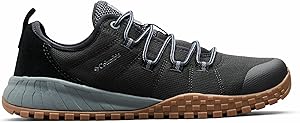
- Upper: Mesh and suede heel cap
- Midsole: TechLite lightweight cushioning
- Outsole: Omni-Grip non-marking rubber
- Weight: Lightweight performance
Columbia Fairbanks Low is the ultimate hybrid shoe designed for those who transition seamlessly from city streets to mountain trails. The streamlined design features a breathable mesh upper paired with a durable suede heel cap for added structure. Its flexible webbing eyelets allow the lacing system to adapt to your foot’s movement, ensuring a secure and personalized fit during any activity.
Performance is driven by the TechLite midsole, which provides high energy return and consistent cushioning for all-day wear. On the bottom, the Omni-Grip outsole is specifically engineered to provide multi-terrain traction without marking indoor floors. It is a nimble and stylish performer that offers great value for casual hikers and daily commuters alike who need versatility.
Pros: Stylish versatile design; high energy return; indoor-safe outsole.
Cons: Not for technical terrain; minimal water resistance.
See the Columbia Fairbanks Low See the Women’s Fairbanks Low
4. NORTIV 8 Hiking Shoes

- Protection: Waterproof construction
- Toe Box: Wide fit design
- Safety: Reinforced rubber toe cap
- Midsole: Shock-absorbing flexible foam
NORTIV 8 hiking shoes are built for those who need a rugged, wide-fitting shoe that can handle both outdoor adventures and demanding yard work. The standout feature is the waterproof construction, which keeps your feet dry through snow, puddles, and wet grass. A roomy toe box ensures that your feet have space to spread naturally, preventing pressure points during long hours of use.
Safety and durability are prioritized with a reinforced rubber toe cap that guards against rocks and impacts. The midsole is designed to be both flexible and shock-absorbing, which helps in reducing fatigue when navigating uneven surfaces. These shoes are a practical and affordable choice for anyone looking for a sturdy, waterproof companion for landscaping or casual trail walking.
Pros: Reliable waterproofing; spacious wide fit; protective toe cap.
Cons: Bulkier aesthetic; heavier than athletic hikers.
See the NORTIV 8 Hiking Shoes See the Women’s NORTIV 8 Shoes
5. Merrell Moab 3 Waterproof

- Waterproofing: Merrell DRY membrane
- Upper: Pig suede leather and mesh
- Midsole: Super Rebound Compound
- Outsole: Vibram TC5+
The Merrell Moab 3 Waterproof takes everything hikers love about the standard Moab and adds a proprietary Merrell DRY membrane to seal out moisture. This makes it a top-tier choice for hikers who frequently encounter muddy trails or creek crossings. The pig suede leather upper remains soft and pliable, providing that signature out-of-the-box comfort that requires almost no break-in period.
Inside, the Super Rebound Compound in the midsole provides a smooth transition and shock absorption, while the molded nylon arch shank adds critical midfoot support. The Vibram TC5+ outsole ensures you have the grip needed for slippery conditions. It is a rugged, reliable workhorse for those who refuse to let a little rain or wet terrain stop their outdoor exploration.
Pros: Excellent moisture protection; very comfortable; durable leather upper.
Cons: Heavier than non-waterproof version; can run warm.
See the Merrell Moab 3 Waterproof See the Women’s Moab 3 Waterproof
6. Salomon X Ultra 5 GTX

- Waterproofing: GORE-TEX membrane
- Closure: Single-pull Quicklace
- Midsole: EnergyCell
- Outsole: All Terrain Contagrip
Salomon X Ultra 5 GORE-TEX is a technical powerhouse designed for hikers who want trail-runner agility combined with the stability of a hiking boot. It features a GORE-TEX membrane that provides industry-leading waterproof protection while remaining breathable. The single-pull Quicklace system allows for fast, secure adjustments on the fly, making it easy to dial in the perfect fit before a steep climb.
The EnergyCell midsole offers great shock attenuation, while the All Terrain Contagrip outsole provides aggressive traction for both ascents and technical descents. This shoe is specifically engineered to feel nimble and fast, making it a favorite for those who enjoy charging up hills. It balances a lightweight synthetic construction with high-performance features for the serious mountain enthusiast.
Pros: Extremely agile; superior GORE-TEX protection; easy lacing system.
Cons: Narrower fit than others; Quicklace takes getting used to.
See the Salomon X Ultra 5 GTX See the Women’s X Ultra 5 GTX
7. Altra Lone Peak 9 Waterproof

- Waterproofing: Bootie construction
- Upper: Recycled polyester mesh
- Midsole: Altra EGO foam
- Outsole: MaxTrac rubber
The Altra Lone Peak 9 Waterproof is built for the thru-hiker who values a natural foot shape and zero-drop platform even in wet conditions. Featuring a waterproof bootie construction, this shoe keeps feet dry without the bulk of a heavy boot. The recycled polyester mesh upper is eco-friendly and durable, standing up to the miles of wear typical of long-distance day trekking or multi-day backpacking trips.
Underneath, the Altra EGO foam midsole provides a responsive yet soft feel that keeps you moving comfortably over rocky terrain. The MaxTrac outsole is designed with aggressive lugs to bite into the trail, providing confidence on slippery surfaces. It is a specialized tool for those who want a lightweight, waterproof shoe that encourages a more natural gait and toe splay.
Pros: Wide toe box; lightweight; eco-friendly materials.
Cons: Zero-drop requires transition time; less arch support.
See the Altra Lone Peak 9 Waterproof See the Women’s Lone Peak 9 Waterproof
8. Danner Trail 2650

- Upper: Suede leather and textile
- Support: External heel counter and TPU shank
- Outsole: Vibram 460 with Megagrip
- Midsole: Lightweight EVA
Inspired by the grueling 2,650-mile Pacific Crest Trail, the Danner Trail 2650 is engineered to handle diverse and demanding terrain. The upper combines durable suede with breathable textile, creating a shoe that is tough yet cool during high-output activities. An external heel counter and TPU shank provide the necessary stability to navigate uneven trails without adding unnecessary weight to your feet.
The standout feature is the Vibram 460 outsole featuring Megagrip technology, which offers some of the best traction available on wet and mossy rocks. Inside, the lightweight EVA midsole ensures you have enough cushioning for long days on the trail. This shoe is a perfect blend of Danner’s legendary durability and the modern needs of fast-moving hikers who require maximum grip and breathability.
Pros: Incredible Megagrip traction; very stable; highly breathable.
Cons: Not waterproof; suede requires maintenance.
See the Danner Trail 2650 See the Women’s Trail 2650
Choosing Hiking Shoes for High Arches: A Comprehensive Guide
For hikers with high arches (pes cavus), finding the perfect pair of shoes is more than a matter of style—it is a physiological necessity. High arches often mean your feet are less efficient at absorbing shock and have a smaller surface area in contact with the ground. This can lead to issues like plantar fasciitis, metatarsalgia, and frequent ankle sprains if your footwear isn’t up to the task. Choosing the right hiking shoe requires understanding your unique biomechanics and looking for specific features that provide both cushioning and stability.
Understanding the High Arch Foot Profile
High arches are characterized by a prominent upward curve in the middle of the foot. Unlike flat feet, which tend to overpronate (roll inward), high arches are typically associated with supination (rolling outward). Because the arch is rigid and doesn’t collapse naturally to dissipate energy, the impact of every step is concentrated on the heel and the ball of the foot.
When you are hiking on uneven terrain with a heavy pack, this lack of natural shock absorption is amplified. Without the right support, the connective tissues in your feet and lower legs can become overworked. Therefore, the primary goals for a hiker with high arches are maximum cushioning, arch filling, and lateral stability.
Key Features to Look For
1. Neutral Cushioning and Shock Absorption
Because your foot doesn’t naturally dampen the impact of the trail, your shoe must do it for you. Look for shoes labeled as “neutral” or “cushioned.” Avoid “motion control” shoes, which are designed for flat feet and may force your foot even further outward. High-quality EVA (ethylene-vinyl acetate) or PU (polyurethane) midsoles are essential for providing the plush feel needed to protect your joints during long descents.
2. Substantial Arch Support
The “void” created by a high arch needs to be filled to distribute weight across the entire foot. Many stock insoles in hiking shoes are thin and flat. When trying on shoes, look for models with a contoured footbed. If the factory insole feels lacking, ensure the shoe has enough volume to accommodate an aftermarket orthotic or high-profile insole. The goal is to have the shoe cradle the arch, providing a solid foundation that prevents the foot from shifting.
3. Flexible Uppers and Roomy Toe Boxes
High arches often come with high insteps (the top part of your foot). Shoes with restrictive or stiff uppers can cause painful pressure points or even “lace bite.” Look for shoes with flexible mesh or soft leather uppers and a lacing system that allows for customization. Additionally, high arches can cause the toes to claw slightly; a wide toe box ensures your toes have room to splay and don’t rub against the front of the shoe.
4. Lateral Stability and Heel Lockdown
Supinators are prone to rolling their ankles because their weight is naturally pushed toward the outer edge of the foot. A hiking shoe for high arches should have a firm heel counter (the back part of the shoe) to lock the foot in place. A slightly wider outsole can also provide a broader base of support, reducing the “tippy” feeling that some high-arched hikers experience in narrow shoes.
Types of Hiking Footwear for High Arches
Hiking Shoes vs. Trail Runners
Trail runners are increasingly popular because they often feature softer, more responsive foam than traditional hiking shoes. For hikers with high arches who stick to well-groomed trails, a trail runner with a high stack height can offer the necessary cushioning. However, for technical terrain, a dedicated hiking shoe provides more protection against rock strikes and better durability for the miles ahead.
Mid-Height Boots
If you find that your high arches lead to frequent ankle rolls, a mid-height boot may be the best choice. The extra material around the ankle provides a physical barrier and sensory feedback that helps you stay centered. Ensure the boot still maintains a flexible sole; a completely rigid boot can be uncomfortable for a foot that needs to move to find its own balance.
The Importance of Aftermarket Insoles
Most hiking shoe manufacturers design their products for an “average” foot. For the 10-20% of the population with high arches, the standard insole is rarely enough. Investing in a high-profile insole (like those from Superfeet, Sole, or Oboz) can transform a mediocre shoe into a custom-feeling piece of gear. These insoles provide a firm “cap” under the arch, ensuring the foot doesn’t supinate excessively and that pressure is evenly distributed.
Testing the Fit: A Step-by-Step Guide
Never buy hiking shoes based on size alone. Use these steps to ensure a high-arch-friendly fit:
- Shop in the afternoon: Your feet swell throughout the day. To mimic trail conditions, try shoes on when your feet are at their largest.
- Bring your socks: Wear the specific wool or synthetic socks you plan to hike in.
- The Finger Test: Slide your foot forward until your toes touch the front. You should be able to fit one finger behind your heel.
- Check for Instep Pressure: Lace the shoes tightly. If you feel a “pinching” on the top of your foot, the shoe may not have enough volume for your high instep.
- The Incline Ramp: Many outdoor retailers have a small wooden ramp. Walk up and down it. Your heel should not lift significantly, and your toes should not jam into the front on the way down.
Maintenance and Replacement
Because supinators put a lot of pressure on the outer edge of the shoe, the midsole and outsole will wear unevenly. Inspect your shoes every 100 miles. If you notice the foam on the outer edge is significantly compressed or the tread is bald on one side, it is time to replace them. Continuing to hike in unevenly worn shoes will only exacerbate your biomechanical issues and lead to pain.
Conclusion
High arches shouldn’t keep you off the trail. By prioritizing neutral cushioning, filling the arch gap with supportive insoles, and ensuring the shoe has enough volume for your instep, you can hike miles of rugged terrain without discomfort. Remember, the best shoe isn’t the most expensive one—it’s the one that matches the specific contours of your feet and provides the shock absorption your body lacks naturally. Take the time to test different brands, listen to your feet, and don’t be afraid to customize your support for the ultimate trail experience.