If you have narrow feet, finding hiking shoes that fit well can be a real challenge. Loose shoes often cause blisters, hot spots, and poor footing on the trail. You need a snug, secure fit without any slipping. This article rounds up the best hiking shoes designed specifically for narrow feet. We’ll cover supportive options for rocky paths, lighter picks for speed, and budget-friendly finds—so you can hit the trail with total comfort and confidence.
1. Salomon X Ultra 5 GTX

- Waterproofing: GORE-TEX waterproof/breathable membrane
- Midsole: EnergyCell cushioning foam
- Outsole: All Terrain Contagrip rubber
- Weight: 1 lb. 10.8 oz. (pair)
The Salomon X Ultra 5 GTX is a precision-engineered hiking shoe designed for hikers who want agility without sacrificing protection. The single-pull lace system speeds up fit adjustments on the go, while GORE-TEX waterproofing ensures confident performance in wet conditions. The EnergyCell midsole is tuned for responsiveness, giving each stride a lively return that makes uphill sections feel less taxing.
Where the X Ultra 5 truly excels is on technical descents — the All Terrain Contagrip outsole bites into loose and steep surfaces with impressive confidence, preventing the slipping and sliding that can make downhills stressful. The synthetic and textile upper wraps the foot securely without excessive break-in time. For hikers tackling varied mountain terrain who want a shoe that performs equally well going up and coming down, the X Ultra 5 GTX is a top recommendation.
- Pros: Excellent descent control, GORE-TEX waterproofing, quick-lace system, agile feel
- Cons: Narrow fit may not suit wide feet, premium price
See the Salomon X Ultra 5 See the Women’s X Ultra 5
2. Columbia Crestwood

- Upper: Suede leather with mesh and webbing combination
- Midsole: TechLite for cushioning and energy return
- Outsole: Omni-Grip non-marking rubber
- Closure: Lace-up
The Columbia Crestwood is a versatile, all-purpose hiking shoe built for hikers who want reliable performance without breaking the bank. Its combination upper — blending suede leather, mesh, and webbing — delivers durability and breathability in one package. The TechLite midsole provides long-lasting cushioning with a satisfying energy return, keeping feet comfortable across extended hikes on varied surfaces.
The Omni-Grip outsole is a standout feature, offering sure-footed traction across different terrain types while remaining indoor-friendly with its non-marking design. Columbia’s craftsmanship shines in the quality stitching and material selection, making this shoe a solid investment for seasons of regular use. It’s an excellent entry-level hiking option that doesn’t compromise on core performance features.
- Pros: Affordable, comfortable TechLite cushioning, versatile Omni-Grip traction, durable build
- Cons: Less waterproofing than premium options, basic aesthetic design
See the Columbia Crestwood See the Women’s Crestwood
3. Merrell Moab Speed 2 GTX

- Waterproofing: GORE-TEX waterproof/breathable membrane
- Upper: Nylon ripstop with TPU overlays
- Midsole: FloatPro foam (30% more underfoot)
- Weight: 1 lb. 9.7 oz. (pair)
The Merrell Moab Speed 2 GORE-TEX is a significant step up from its predecessor, featuring 30% more FloatPro foam underfoot for noticeably enhanced cushioning and comfort on longer hikes. The GORE-TEX membrane delivers industry-leading waterproof breathability, keeping feet dry without the stuffiness that plagues lesser membranes — a crucial feature for all-day use in variable conditions.
The nylon ripstop upper with TPU overlays strikes a nice balance between trail-runner agility and hiking shoe durability, while the improved breathability over prior models makes it comfortable in warmer temperatures. Vibram TC5+ rubber on the outsole ensures grip across wet rock, loose dirt, and compacted trail. At under 1 lb. 10 oz., the Moab Speed 2 GTX is one of the best-balanced waterproof options in terms of weight, comfort, and protection.
- Pros: GORE-TEX waterproofing, excellent cushioning, lightweight, reliable Vibram grip
- Cons: Less durable upper than leather alternatives, premium price point
See the Merrell Moab Speed 2 See the Women’s Moab Speed 2
4. Oboz Sawtooth X Low

- Upper: Oiled nubuck leather with CORDURA fabric mesh
- Waterproofing: B-DRY single-layer membrane
- Outsole: True Tread rubber
- Weight: 2 lbs. 1.8 oz. (pair)
The Oboz Sawtooth X Low Waterproof builds on a beloved predecessor with meaningful upgrades in comfort, traction, and durability. The oiled nubuck leather upper paired with CORDURA mesh delivers a rugged feel without sacrificing breathability, making it well-suited for demanding trail conditions. The B-DRY waterproof membrane keeps moisture out while maintaining a comfortable in-shoe environment on wet or muddy terrain.
The heel puck and rubber-blended adaptive foam midsole offer responsive cushioning that adapts well to uneven surfaces, while the nylon shank provides reliable underfoot stability. True Tread rubber on the outsole grips confidently on loose dirt and wet rock alike. For hikers seeking a durable, well-rounded shoe that performs on technical trails, the Sawtooth X Low is a dependable all-day option.
- Pros: Excellent waterproofing, durable leather upper, dependable traction, supportive midsole
- Cons: Heavier than some competitors, leather may require break-in period
See the Oboz Sawtooth X Low See the Women’s Sawtooth X Low
5. KEEN Targhee IV

- Upper: Premium environmentally preferred nubuck leather
- Waterproofing: KEEN.DRY waterproof/breathable membrane
- Midsole: Air-injected Luftcell polyurethane
- Weight: 2 lbs. 6.4 oz. (pair)
The KEEN Targhee IV continues the brand’s tradition of delivering out-of-the-box comfort with its notably roomy toe box — a welcome feature for hikers with wider feet or those covering long distances. The premium nubuck leather upper is both sustainably sourced and impressively tough, while the KEEN.DRY membrane provides effective waterproofing without trapping excessive heat inside the shoe.
Underfoot, the air-injected Luftcell polyurethane midsole delivers plush cushioning that holds up over miles of trail use. A stability shank adds structural support on rocky or uneven ground, and the higher-traction TPU outsole grips reliably across wet and dry conditions. Heavier than some trail runners, the Targhee IV makes up for it with premium materials and outstanding all-day comfort.
- Pros: Roomy toe box, excellent waterproofing, durable nubuck leather, cushioned midsole
- Cons: Heavier than average, may feel bulky for fast-paced hiking
See the KEEN Targhee IV See the Women’s Targhee IV
6. Merrell Moab 3

- Upper: Pigskin leather with mesh
- Midsole: Super Rebound Compound foam
- Outsole: Vibram TC5+ rubber
- Weight: 2 lbs. 1 oz. (pair)
Few hiking shoes have achieved the cult status of the Merrell Moab, and the third generation refines what already worked exceptionally well. The pigskin leather and mesh upper balances durability with breathability, while the recycled mesh lining keeps the interior comfortable across warm-weather hikes. The Super Rebound Compound midsole is noticeably softer than previous iterations, offering improved comfort on long-distance outings.
The molded nylon arch shank provides reliable underfoot stability without adding excessive stiffness, and the iconic Vibram TC5+ outsole delivers the brand’s signature grip on both wet rock and dry trail. For hikers who prioritize comfort and versatility over ultralight weight, the Moab 3 remains one of the best all-around options on the market — a proven performer updated for modern demands.
- Pros: Proven comfort and durability, excellent Vibram traction, versatile on various terrain
- Cons: Not waterproof in base model, slightly heavier than trail runners
See the Merrell Moab 3 See the Women’s Moab 3
See the Merrell Moab 3 WP See the Women’s Moab 3 WP
7. Danner Trail 2650

- Upper: Suede leather with textile panels
- Midsole: EVA with TPU shank
- Outsole: Vibram 460 with Megagrip technology
- Weight: 1 lb. 8 oz. (pair)
Named after the grueling Pacific Crest Trail, the Danner Trail 2650 is engineered for hikers who demand high performance without carrying excess weight. At just 1 lb. 8 oz., it’s one of the lightest options in this roundup, yet it doesn’t sacrifice protection — the suede and textile upper holds up well under demanding conditions, and the reinforced external heel counter adds structural integrity where it’s needed most.
The Vibram 460 outsole with Megagrip technology is exceptional, providing sticky traction on steep, loose, and wet surfaces that rivals dedicated trail running shoes. The EVA midsole delivers adequate cushioning for its weight class, and the TPU shank keeps the shoe from flexing too much on technical terrain. For fast-paced hikers or those covering high mileage, the Trail 2650 is a top-tier choice.
- Pros: Ultralight, outstanding Vibram Megagrip traction, agile feel on trail
- Cons: Not waterproof, EVA midsole may compress over time
See the Danner Trail 2650 See the Women’s Trail 2650
8. Altra Lone Peak 9

- Upper: Recycled polyester mesh with waterproof bootie
- Waterproofing: Waterproof bootie construction
- Midsole: Altra EGO foam
- Weight: 1 lb. 11.7 oz. (pair)
The Altra Lone Peak 9 Low brings the brand’s signature zero-drop, wide-toe-box philosophy to a waterproof low hiking shoe built for thru-hiking and day trekking alike. The recycled polyester mesh upper is lightweight and eco-conscious, while the integrated waterproof bootie construction keeps feet dry on stream crossings and wet trail sections without adding significant bulk.
Altra’s EGO foam midsole delivers a responsive, energetic feel underfoot — ideal for hikers covering high mileage who need cushioning that won’t pack out after a few days on trail. The MaxTrac outsole provides solid grip on mixed terrain, though it performs best in dry to moderately wet conditions. For natural-gait advocates and those transitioning to zero-drop footwear, the Lone Peak 9 is a standout option.
- Pros: Zero-drop natural feel, roomy toe box, lightweight, effective waterproofing
- Cons: Zero-drop may require adjustment period, modest outsole lugs for technical terrain
See the Altra Lone Peak 9 See the Women’s Lone Peak 9
How to Choose the Best Hiking Shoes for Narrow Feet
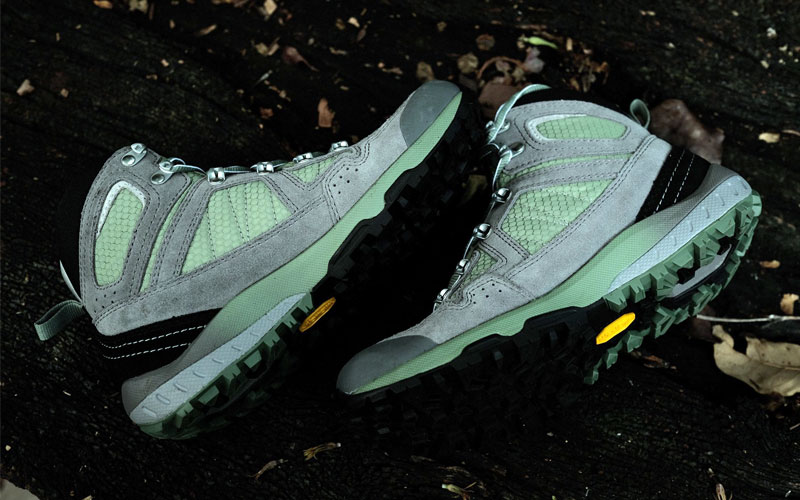
Finding the perfect pair of hiking shoes can feel like a daunting task for any outdoor enthusiast, but for those with narrow feet, the challenge is amplified. Most standard hiking shoes are built on a medium or wide last, which leaves hikers with slender feet prone to sliding, friction, and painful blisters. A poorly fitting hiking shoe can ruin an outdoor adventure, leading to bruised toes, unstable ankles, and overall foot fatigue. However, understanding what to look for and how to identify a truly narrow-fitting shoe can completely transform your trail experience.
This comprehensive guide explores the specific challenges faced by narrow-footed hikers, outlines key features to look for when shopping, highlights European vs. American sizing nuances, and provides expert tips for achieving the ultimate secure fit on the trail.
The Anatomy of a Narrow Foot: Why Standard Shoes Fail
A narrow foot isn’t just about a smaller width measurement across the ball of the foot. True narrowness often encompasses a slender heel, a low-volume instep, and a streamlined midfoot. When a hiker with these structural characteristics wears a standard or wide-width hiking shoe, several mechanical issues occur.
First, excess volume inside the shoe allows the foot to slide forward during descents. This repetitive forward motion slams the toes against the front of the toe box, a primary cause of “hiker’s toe” or bruised, black toenails. Second, a wide heel cup allows the heel to lift and rub against the back of the shoe with every step, creating the perfect recipe for severe blisters. Finally, if the midfoot area is too spacious, the foot will shift laterally inside the shoe, compromising stability on uneven terrain and increasing the risk of ankle sprains.
Key Design Features to Look For
When searching for the best hiking shoes for narrow feet, you cannot rely solely on the width label. Many brands do not explicitly manufacture “Narrow” (A or B width for women, B or C width for men) variants of their trail footwear. Instead, you must look for specific design features that naturally accommodate and secure a low-volume, narrow foot structure.
1. Targeted Asymmetric Lacing Systems
One of the most effective ways to secure a narrow foot is through a highly adjustable and advanced lacing system. Look for hiking shoes that feature lacing extending close to the toes, often referred to as “to-the-toe” or climbing-inspired lacing. This design allows you to pull the sides of the shoe tightly around the forefoot, eliminating excess dead space. Ghillie lacing loops and friction hooks are also excellent features, as they lock the laces in place and allow you to customize tension across different zones of the foot.
2. Narrow and Contoured Heel Cups
Heel slippage is the ultimate enemy of the narrow-footed hiker. When evaluating shoes, pay close attention to the heel counter. High-quality hiking shoes designed with a narrow anatomical last feature a deeply contoured heel cup that mimics the natural shape of a slender heel. Some brands incorporate internal heel-retention systems, such as memory foam padding or specialized straps that pull the heel back and downward into the shoe as you tighten the laces.
3. Low-Volume Insteeps and Streamlined Outsoles
Foot volume refers to the overall space your foot occupies inside a shoe, factoring in the height of your instep and the circumference of your arch. A narrow foot is almost always a low-volume foot. Look for shoes with a lower profile from the sole to the top of the upper. Additionally, observe the shape of the outsole; a shoe with an hourglass silhouette that nips in at the arch will provide a much tighter wrap around a slender midfoot than a shoe with a boxy, straight-edged outsole.
The European Advantage: Why Euro Brands Fit Narrower
If you are struggling to find a standard American hiking shoe that fits snugly, turning your attention to European brands is often the solution. Historically, European footwear manufacturers construct their shoes on lasts that are notably sleeker, narrower in the heel, and more tailored through the arch compared to North American brands, which tend to favor a wider, more relaxed fit.
The Italian Craftsmanship Standard
Italian footwear brands are world-renowned for their precise, athletic fits. Companies based in the Italian Alps have spent decades refining footwear for technical mountaineering, where a sloppy fit can be dangerous. These brands typically utilize a narrower heel pocket and a structured midfoot. While the toe box might feel snug initially, it is designed to hold the foot perfectly centered over the platform, ensuring maximum control on rocky trails.
Understanding European Sizing and Volume
European sizing also offers smaller increments between sizes compared to the US system, allowing for a more fine-tuned fit. When trying on European brands, remember that they are built to wrap the foot like a glove. Do not be discouraged if a shoe feels tight across the top of your foot initially; as long as your toes have room to wiggle and are not compressed from the sides, a close wrap through the midfoot is exactly what a narrow-footed hiker needs.
Modifying Fit: Aftermarket Insoles and Lacing Techniques
Sometimes, even the best-fitting shoe needs a little assistance to perfectly match a highly unique narrow foot shape. Fortunately, you can easily modify the internal volume of a hiking shoe using aftermarket accessories and strategic lacing.
The Power of Low-Volume Insoles
Factory insoles provided with hiking shoes are usually flat and generic. Replacing them with a specialized, high-quality aftermarket insole can instantly fix fit issues. To fix a narrow foot issue, look for supportive insoles designed to cup the heel and support the arch. By lifting the foot slightly and stabilizing the heel, these insoles effectively take up excess vertical and lateral volume inside the shoe, creating a snugger fit throughout the entire upper.
Advanced Lacing Techniques for Narrow Feet
Do not underestimate the power of how you tie your shoes. If you experience heel slippage, utilize the “Heel Lock” or “Lock Lacing” technique. By threading the lace back through an extra loop at the top collar of the shoe, you create a pulley system that binds the ankle snugly into the back of the shoe without adding pressure to the top of your foot. For volume reduction, you can use a “window lacing” technique to bypass sensitive areas while keeping the rest of the shoe pulled tightly together.
Testing the Fit: The Ultimate Pre-Trail Checklist
Never take a pair of hiking shoes directly from the box to a long trail. To guarantee your narrow feet are fully supported, conduct a rigorous indoor fit assessment before committing to your purchase.
The Insole Test
Remove the factory insole from the shoe and stand on it on the floor. Check the alignment of your foot against the edges of the foam. If there is a significant amount of space (more than a few millimeters) visible on either side of your heel and midfoot, the shoe’s shell is likely too wide, and no amount of tightening will fully stabilize your foot.
The Incline and Step Test
Put the shoes on with your preferred hiking socks and tie them securely. Walk around your home, paying close attention to stairs. When walking upstairs, does your heel lift out of the cup? If it lifts more than an eighth of an inch, the heel pocket is too wide. When walking down stairs, do your toes slide forward and tap the front of the shoe? If so, the shoe lacks the midfoot security required for narrow feet.
Conclusion: Prioritizing Locked-In Security
Choosing the best hiking shoes for narrow feet requires looking beyond aesthetic appeal and marketing hype. It demands a keen eye for anatomical shaping, specialized lacing systems, and low-volume designs. By focusing on European manufacturers, seeking out tapered heel counters, and utilizing customized lacing methods and supportive insoles, you can eliminate painful friction and blisters. A properly fitted narrow hiking shoe will lock your foot securely in place, giving you the confidence and comfort needed to tackle any trail, mile after glorious mile.