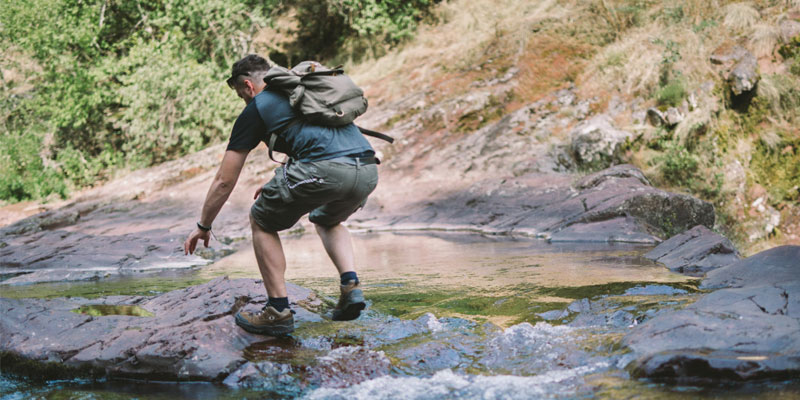
If you love hiking but hate when wet grass, puddles, or rain soak your feet, you need a pair of waterproof hiking shoes. They keep your feet dry and comfortable on muddy trails or river crossings. In this guide, we’ve found the best options for grip, support, and lasting dryness. Whether you’re a beginner or a pro, these shoes will help you enjoy every step without squishy socks.
1. Salomon X Ultra 5 GTX

- Type of Waterproofing: GORE-TEX
- Midsole: EnergyCell
- Outsole: All Terrain Contagrip rubber
- Weight (Pair): 1 lb. 10.8 oz.
The Salomon X Ultra 5 GTX balances agility and stability on unpredictable terrain. Designed to keep you nimble, this low-profile shoe offers exceptional movement without sacrificing underfoot security. It is engineered to perform reliably on steep climbs, ensuring you can push your pace with confidence.
When transitioning to tricky descents, the advanced grip pattern provides reliable traction across mixed surfaces. The synthetic upper keeps the overall construction feeling remarkably light. It serves as an excellent option for fast-paced day hikers who demand both protective weatherproofing and athletic responsiveness.
Pros: Excellent traction on descents, lightweight synthetic construction, quick single-pull lacing.
Cons: Low ankle profile offers less debris protection than a mid-cut boot.
View Men’s at REI View Women’s at REI
2. Merrell Moab Speed 2 GTX

- Type of Waterproofing: GORE-TEX waterproof/breathable membrane
- Upper: Nylon ripstop/TPU
- Outsole: Vibram TC5+ rubber
- Weight (Pair): 1 lb. 9.7 oz.
The Merrell Moab Speed 2 GTX brings a major upgrade to trail comfort. This iteration significantly boosts the underfoot cushioning, making long miles feel much less taxing on your feet. The enhanced design ensures your feet stay relaxed and supported throughout multi-hour journeys.
Breathability is noticeably improved alongside rugged traction, keeping your feet cool while maintaining a firm hold on loose soil. The ripstop upper resists abrasions well on overgrown trails. It is an ideal pick for hikers seeking the classic Moab comfort packed into a faster, lighter framework.
Pros: Massive thirty percent increase in underfoot foam, highly breathable, lightweight ripstop upper.
Cons: Softer foam might wear down faster on sharp, jagged rocks.
View Men’s at REI View Women’s at REI
3. Altra Lone Peak 9

- Type of Waterproofing: Waterproof bootie construction
- Upper: Recycled polyester mesh
- Midsole: Altra EGO foam
- Weight (Pair): 1 lb. 11.7 oz.
The Altra Lone Peak 9 Waterproof Low is built to handle everything from quick day treks to extensive thru-hikes. This shoe emphasizes natural foot movement while ensuring harsh weather elements stay locked out. The bootie system provides dependable moisture protection across wet grasslands and shallow puddles.
Durability is a key focus, keeping the shoe intact through repetitive trail abuse. The responsive foam midsole absorbs impacts smoothly, minimizing foot fatigue over rocky terrain. Hikers looking for a roomy toe box and a zero-drop feel will appreciate this protective trail option.
Pros: Durable recycled mesh upper, responsive foam cushioning, natural toe-splay design.
Cons: Bootie construction can trap more internal heat on warm summer days.
View Men’s at REI View Women’s at REI
4. Merrell Moab 3

- Type of Waterproofing: Merrell DRY waterproof membrane
- Upper: Pig suede leather/mesh
- Support: Molded nylon arch shank
- Weight (Pair): 2 lbs. 1.8 oz.
The Merrell Moab 3 Waterproof delivers legendary out-of-the-box comfort that requires zero break-in time. This generation steps up the game by offering a softer and more supportive ride than its predecessors. The premium suede and mesh upper provides a structured feel around the foot.
A molded arch shank adds structural rigidity, which helps prevent arch fatigue when carrying a loaded pack. The sticky outsole compound keeps you upright on slippery roots and muddy embankments. It remains a gold standard choice for traditional hikers who value absolute stability over weight savings.
Pros: Instant comfort without break-in periods, robust arch support, durable suede panels.
Cons: Noticeably heavier than synthetic, athletic-style trail shoes on the market.
View Men’s at REI View Women’s at REI
5. On Cloudrock

- Type of Waterproofing: Cosmo waterproof membrane
- Midsole: Helion superfoam
- Support: X-shaped Speedboard
- Weight (Pair): 1 lb. 14.3 oz.
The On Cloudrock Low Waterproof cater perfectly to fast-packing enthusiasts who love moving swiftly through mountainous terrain. Blending running shoe speed with hiking shoe protection, this model keeps your stride efficient and fluid. The specialized foam midsole cushions heavy impacts without feeling spongy.
An integrated speedboard propels you forward, transferring energy efficiently into your next step. The membrane ensures sudden downpours or wet alpine grass will not dampen your journey. This shoe shines brightest for fast-moving adventurers who prioritize snappy responsiveness and a lightweight feel.
Pros: Energetic forward propulsion, highly cushioned superfoam midsole, modern eco-friendly upper.
Cons: Outsole channel can occasionally trap small pebbles on gravel trails.
View Men’s at REI View Women’s at REI
6. KEEN Hightrail

- Type of Waterproofing: KEEN.DRY waterproof/breathable membrane
- Upper: Waterproof leather/performance mesh
- Midsole: High-rebound foam
- Weight (Pair): 1 lb. 11.8 oz.
The KEEN Hightrail Waterproof successfully bridges the gap between rugged durability and athletic performance. It provides the structured reassurance of a classic leather shoe while maintaining a surprisingly nimble feel. The upper combination keeps things tough yet flexible as you navigate obstacles.
Inside, the high-rebound foam supplies excellent energy return, preventing your feet from feeling sluggish during long trail days. The specialized all-terrain rubber compound bites hard into loose dirt and wet rock faces. It is a well-rounded option for hikers who refuse to compromise on toughness or speed.
Pros: Athletic and fast feel, durable leather reinforcements, high-rebound cushioning.
Cons: Hybrid mesh and leather upper requires careful cleaning after muddy treks.
View Men’s at REI View Women’s at REI
7. KEEN Targhee IV

- Upper: Premium, environmentally preferred nubuck leather
- Midsole: Direct-attach, air-injected Luftcell polyurethane
- Support: Stability shank
- Weight (Pair): 2 lbs. 6.4 oz.
The KEEN Targhee IV Waterproof is built for heavy-duty exploration and maximum underfoot defense. Featuring premium nubuck leather, this shoe provides an instantly comfortable fit that molds beautifully to your foot. The signature wide toe box allows your toes to spread naturally, eliminating pinching.
An air-injected midsole provides long-lasting support that resists packing out over time under heavy loads. The tough TPU outsole delivers aggressive traction across slippery backcountry routes. It represents a fantastic choice for traditional hikers who demand premium leather durability and absolute foot stability.
Pros: Generous wide toe box, highly durable nubuck leather, long-lasting injected midsole.
Cons: Heaviest shoe in this lineup, making it less suitable for fast-packing.
View Men’s at REI View Women’s at REI
8. Danner Trail 2650 GTX

- Type of Waterproofing: GORE-TEX 2-layer waterproof/breathable laminate
- Midsole: Danner PlyoGo Lightweight EVA
- Outsole: Vibram 460 with Megagrip Technology
- Weight (Pair): 1 lb. 11 oz.
Inspired by legendary long-distance trails, the Danner Trail 2650 GTX is built for moving quickly over massive distances. It blends lightweight performance with high-tier components to keep your momentum going effortlessly. The dual-layer premium membrane keeps exterior moisture completely at bay during storms.
Underneath, the lightweight EVA midsole absorbs trail chatter without adding unnecessary bulk to your stride. The premium Megagrip outsole clings tightly to slick granite and loose scree alike. This shoe is a stellar option for serious trekkers who want lightweight agility backed by top-tier components.
Pros: Premium Megagrip outsole performance, lightweight trail-runner feel, dependable weatherproofing.
Cons: Suede sections require more maintenance to preserve waterproofing over time.
View Men’s at REI View Women’s at REI
9. KEEN Targhee Apex

- Type of Waterproofing: KEEN.DRY waterproof/breathable membrane
- Midsole: Light, compression-resistant KEEN.ReGENX foam
- Outsole: KEEN.ALL-TERRAIN rubber
- Weight (Pair): 1 lb. 8 oz.
The KEEN Targhee Apex is specifically designed for trail days when you want to travel fast without feeling weighed down. It offers excellent out-of-the-box comfort, saving you from painful blisters during its first outing. The mesh upper is reinforced with structured overlays for durability.
The standout feature is the compression-resistant foam midsole, which absorbs heavy impacts while returning energy back into your stride. This responsive cushioning keeps your legs feeling fresh through technical trail sections. It is perfect for fast hikers wanting robust protection at a minimal weight.
Pros: Lightest option among the KEEN models, highly responsive foam, zero break-in period.
Cons: Overlay seams can occasionally create slight pressure points if laced too tightly.
View Men’s at REI View Women’s at REI
10. Oboz Sawtooth X

- Upper: Oiled nubuck leather/CORDURA fabric mesh
- Midsole: Heel puck/rubber-blended adaptive foam
- Support: Nylon shank
- Weight (Pair): 2 lbs. 1.8 oz.
The Oboz Sawtooth X Low Waterproof elevates a classic design with significant updates to traction and overall durability. It retains the famous locked-in heel fit that loyal users love while enhancing underfoot comfort. The oiled nubuck and CORDURA upper provides a highly rugged barrier.
An adaptive foam midsole paired with a supportive nylon shank ensures stable tracking over jagged roots and shifting stones. The specialized proprietary outsole pattern clears mud effectively while biting into slick terrain. It represents an exceptional choice for backcountry hikers tracking through unpredictable conditions.
Pros: Ultra-rugged CORDURA and leather mix, adaptive foam comfort, superior heel retention.
Cons: Heavy construction takes longer to dry out completely if fully submerged.
View Men’s at REI View Women’s at REI
How to Choose Waterproof Hiking Shoes
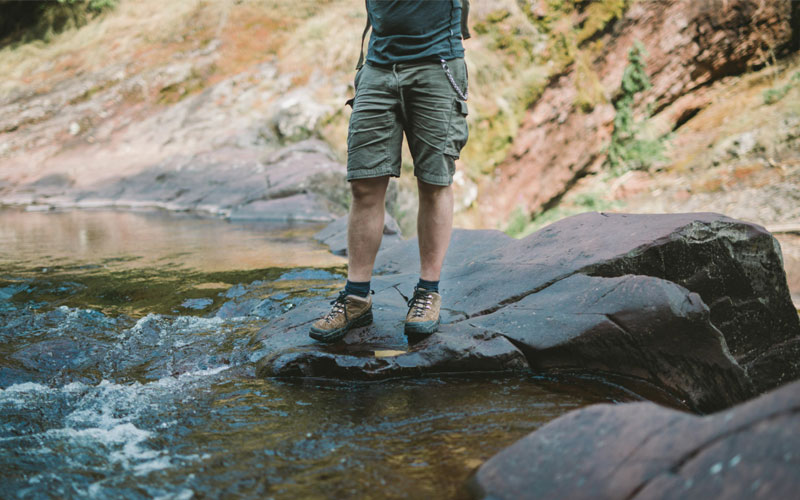
Stepping onto a hiking trail means embracing the unpredictability of nature. Whether you are navigating dew-soaked alpine meadows, crossing shallow creeks, or trekking through a sudden afternoon downpour, wet feet can quickly transform an exciting adventure into a miserable, blister-filled ordeal. Choosing the right waterproof hiking shoes is one of the most critical gear decisions you will make. The perfect pair must strike a delicate balance between sealing out external moisture, managing internal sweat, and providing the structural support your feet require for miles of rugged terrain.
With dozens of brands, specialized technologies, and marketing buzzwords filling the outdoor retail shelves, finding the ideal shoe can feel overwhelming. This guide breaks down the core elements of waterproof footwear, helping you understand how proprietary membranes work, how to match a shoe to your specific hiking style, and how to ensure a perfect fit that keeps your feet dry and comfortable from the trailhead to the summit.
Understanding Waterproof Technology
The magic behind modern waterproof hiking shoes lies hidden beneath the surface. To choose the right pair, it helps to understand how these materials protect your feet while still allowing them to breathe during strenuous uphill climbs.
Waterproof Membranes vs. Coatings
Most premium waterproof shoes utilize an internal bootie construction lined with a specialized membrane. These membranes feature billions of microscopic pores that are large enough to let moisture vapor (your sweat) escape, but far too small for liquid water droplets to penetrate. GORE-TEX is the most well-known industry standard, but many brands utilize highly effective proprietary versions, such as KEEN.DRY or Merrell DRY. While some entry-level shoes rely solely on a Durable Water Repellent coating applied to the exterior fabric, these coatings wear off over time and do not offer the long-lasting defense of a built-in internal membrane.
The Breathability Trade-Off
It is important to understand that no waterproof shoe is perfectly breathable. When you seal a shoe against external water, you inherently restrict internal airflow. In cold, wet, or snowy conditions, a waterproof membrane is indispensable because it traps heat and keeps freezing water away from your skin. However, if you primary hike in hot, arid deserts or during peak summer conditions, a waterproof shoe can trap sweat inside, leading to damp socks and increased friction. Consider your primary hiking climate before committing to a fully waterproof model.
Matching Material to Your Trail Style
The exterior components of a hiking shoe determine its overall durability, weight, and support structure. Different materials interact with waterproofing technology in unique ways.
Synthetic and Mesh Uppers
Many modern hiking shoes utilize synthetic textiles, polyester meshes, and nylon ripstop for their upper construction. Synthetic shoes are highly favored by fast-packers and speed hikers because they are remarkably lightweight and agile out of the box. When paired with a waterproof membrane, synthetic uppers allow sweat vapor to escape much faster than leather. Additionally, if you happen to submerge the shoe completely over the ankle line, synthetics hold less water and dry out significantly faster than traditional heavy materials.
Leather and Suede Uppers
Traditional hiking footwear relies heavily on nubuck leather, pig suede, or full-grain leather. Leather provides unparalleled abrasion resistance against sharp rocks, briars, and trail debris, making it incredibly durable for rugged backcountry exploration. Leather also naturally resists water to a certain degree, acting as a robust first line of defense before moisture even reaches the internal waterproof membrane. The downside is that leather shoes are noticeably heavier, require a dedicated break-in period, and take a long time to dry once they become thoroughly soaked.
Key Features to Evaluate
Beyond the waterproofing system and the upper materials, several key structural components will dictate how a shoe performs when the trail turns slick and challenging.
Outsole Traction and Lug Depth
A waterproof upper is only useful if your feet can stay planted on the ground. When trails are wet, mud, slick roots, and wet granite become major hazards. Look for high-performance rubber outsoles, such as Vibram or specialized proprietary compounds, which are formulated to remain sticky even in cold and wet conditions. Examine the lug pattern on the bottom of the shoe; deeper, widely spaced lugs provide aggressive bite in deep mud and easily shed debris as you walk, preventing the outsole from clogging and becoming slippery.
Midsole Cushioning and Internal Support
The midsole acts as the shock absorber for your feet and joints. Lightweight shoes often use compressed EVA foam, which provides a plush, bouncy, athletic feel but can compress permanently over time. Heavier, more durable shoes use polyurethane or air-injected foams that maintain their structural integrity under the weight of a heavy backpacking frame. To protect your arches from twisting on uneven terrain, look for shoes that incorporate an internal nylon or TPU stability shank embedded within the sole layers.
How to Ensure the Perfect Fit
The most advanced waterproof technology in the world will not matter if the shoe causes painful pressure points or blisters. Fitting waterproof footwear requires a slightly different approach than buying standard running shoes.
Account for Membrane Thickness
Internal waterproof booties take up a small amount of physical space inside the shoe chamber. Because of this, waterproof models often feel slightly tighter or narrower than their non-waterproof counterparts. When trying on shoes, always wear the exact style of merino wool or synthetic hiking socks you plan to use on the trail. It is generally wise to size up by a half-size to accommodate natural foot swelling that occurs after several hours of continuous trekking.
The In-Store and At-Home Fitting Tests
When trying on a potential pair of shoes, lace them securely and look for specific indicators of a proper fit. Your toes should have plenty of room to wiggle freely in the front toe box; they should never press against the front of the shoe, especially when walking down an incline. Walk around on an angled surface or a staircase to test the heel counter. Your heel should remain locked securely in place without lifting or slipping upward, as heel slippage is the number one cause of trail blisters.
Care and Maintenance for Longevity
To keep your waterproof hiking shoes performing at their peak for multiple seasons, proper after-hike care is absolutely essential. Mud and caked-on dirt act like tiny abrasives, gradually grinding down the fibers of the upper material and compromising the internal membrane over time.
After a muddy trek, rinse your shoes with clean water and use a soft nylon brush to remove debris. Never place your shoes near a direct heat source, such as a campfire, radiator, or clothes dryer, to speed up the drying process. High heat can dry out leather, degrade synthetic glues, and warp the internal waterproof membrane. Instead, remove the insoles, stuff the shoes with newspaper to absorb moisture, and let them air-dry naturally in a well-ventilated room. Periodically reapply a spray-on footwear water-proofing treatment to the exterior fabric to keep water sheeting off cleanly.