
Most trail runners wear shoes when they run and the type of shoes you choose can help protect you from the forces of running. Now, if you have higher arches in general, your feet are more stable and more rigid. A rigid foot type generally translates to higher peak forces when you run. Cushioning type trail runners can help protect your feet from the pounding forces of running. If you have high arches, your feet are prone to problems like shin splints, plantar fasciitis, or even stress fractures.
So these are the top trail running shoes with good arch support for men and women.
1. Topo Athletic Terraventure 5

- Outsole: Vibram Megagrip
- Drop: 3 mm
- Stack Height: 25mm / 22mm
- Weight: 1 lb. 4.6 oz.
The Topo Athletic Terraventure 5 is a standout choice for runners seeking stability on technical terrain. Its hallmark feature is the generous toe box, which allows for natural foot splay without sacrificing a secure midfoot lockdown. This model balances protection and ground feel perfectly for rugged adventures.
Equipped with a forefoot rock plate and a Vibram Megagrip outsole, this shoe provides exceptional traction on slippery surfaces. The ZipFoam midsole offers a resilient ride that maintains its shape over long miles. It is a durable, vegan-friendly option for those who prioritize a low-drop platform and high-performance grip.
Pros: Excellent traction, natural toe box, protective rock plate.
Cons: Low drop may require transition time, moderate cushioning might feel firm.
View Men’s at REI View Women’s at REI
2. Altra Lone Peak 9

- Drop: 0 mm
- Midsole: Altra EGO foam
- Outsole: MaxTrac rubber
- Upper: Ripstop mesh
The Altra Lone Peak 9 continues its legacy as a favorite for both trail runners and thru-hikers. The signature zero-drop platform and FootShape toe box promote a natural gait and provide plenty of room for foot swelling. This update features a refined midsole for a more responsive and energetic feel.
Durability is enhanced with a ripstop mesh upper that stands up to debris and abrasion. The MaxTrac rubber outsole provides a reliable bite on various surfaces, while the integrated rock plate safeguards against sharp stones. It remains a versatile, lightweight workhorse for those who love a connected-to-the-earth experience on rugged trails.
Pros: Zero-drop design, spacious toe box, versatile for hiking.
Cons: Lack of arch support, zero-drop is not for everyone.
View Men’s at REI View Women’s at REI
3. Saucony Peregrine 16

- Cushion: Moderate / PWRRUN foam
- Outsole: Vibram Megagrip
- Drop: 4 mm
- Weight: 1 lb. 3 oz.
The Saucony Peregrine 16 is built for speed and agility on the most challenging off-road paths. By increasing the PWRRUN foam stack, Saucony has managed to provide a more comfortable ride without losing the nimble character the Peregrine is known for. It feels fast and secure on technical descents.
The transition to a Vibram Megagrip outsole is a significant upgrade, offering industry-leading traction on wet roots and slick rocks. A protective rock plate and a sleek synthetic upper ensure your feet stay safe and locked in. This shoe is a top-tier choice for runners who want a lightweight, aggressive trainer for rugged environments.
Pros: Aggressive grip, lightweight feel, improved cushioning comfort.
Cons: Narrower fit than competitors, firm ride on pavement.
View Men’s at REI View Women’s at REI
4. HOKA Speedgoat 7

- Midsole: Supercritical foam EVA
- Heel Stack: 37.3 mm
- Outsole: Vibram Megagrip
- Drop: 5 mm
The HOKA Speedgoat 7 remains the king of high-cushion trail shoes, now featuring a supercritical foam midsole. This new foam provides a livelier, more responsive energy return while maintaining the plush impact protection HOKA is famous for. It is designed to take the sting out of long miles on varied terrain.
The updated upper blend of textile and synthetic materials provides a secure, breathable fit that holds the foot steady during lateral movements. With its beefy Vibram Megagrip outsole and high stack height, it offers unparalleled confidence on technical trails. It is an excellent choice for ultra-distance runners or those seeking maximum joint protection.
Pros: High energy return, maximum impact protection, elite traction.
Cons: High stack can feel less stable, relatively expensive.
View Men’s at REI View Women’s at REI
5. Topo Athletic Pursuit 3

- Drop: 0 mm
- Outsole: Vibram Megagrip
- Midsole: ZipFoam (EVA/TPU)
- Stack Height: 28 mm
The Topo Athletic Pursuit 3 is a cushioned, zero-drop trail shoe designed for runners who want a natural feel with extra protection. The 28mm stack height provides a plush ride that handles rocks and roots with ease. It effectively bridges the gap between minimalist philosophy and modern comfort requirements.
The Vibram Megagrip outsole ensures you stay upright on gritty and wet terrain, while the recycled mesh upper provides a lightweight, eco-friendly fit. Without a rock plate, the shoe relies on its dense ZipFoam to protect the foot, resulting in a more flexible experience. It is a fantastic option for long-distance training on rugged trails.
Pros: Zero-drop with plush cushion, eco-friendly materials, great grip.
Cons: No rock plate for sharp objects, heavier than some rivals.
View Men’s at REI View Women’s at REI
6. Altra Superior 7

- Cushion: Minimal
- Upper: Engineered knit / TPU
- Weight: 1 lb. 3 oz.
- Drop: 0 mm
The Altra Superior 7 is the ideal choice for trail runners who prefer a lightweight, minimalist feel. Its low stack height of 21mm offers incredible ground feel, making it perfect for sprinting across light trails. The engineered knit upper is reinforced with TPU overlays for a blend of comfort and durability.
This shoe prioritizes speed and agility over heavy protection. The MaxTrac outsole provides sufficient grip for moderate terrain, while the zero-drop design keeps your form natural. While it lacks a rock plate, its flexibility allows for a highly responsive ride. It is best suited for shorter, faster trail sessions or runners with strong feet.
Pros: Exceptionally lightweight, superb ground feel, comfortable knit upper.
Cons: Minimal protection on rocky terrain, not ideal for long distances.
View Men’s at REI View Women’s at REI
7. Topo Athletic Ultraventure 4

- Cushion: Maximum
- Drop: 5 mm
- Outsole: Vibram XS Trek EVO
- Stack Height: 35mm / 30mm
The Topo Athletic Ultraventure 4 is engineered for long-distance comfort on light to moderate trails. With a generous 35mm heel stack, it offers a high level of cushioning that absorbs impact over many miles. The 5mm drop provides a more traditional feel compared to other Topo models, appealing to a wider range of runners.
The Vibram XS Trek EVO outsole is designed for durability and flexibility on varied surfaces. A recycled mesh upper ensures the shoe is breathable and environmentally conscious, while the wide toe box maintains Topo’s commitment to natural foot mechanics. This is a reliable daily trainer for those prioritizing comfort and sustainability.
Pros: Maximum impact absorption, spacious fit, very durable outsole.
Cons: Lacks a rock plate, best for light rather than technical trails.
View Men’s at REI View Women’s at REI
8. Brooks Cascadia 19

- Midsole: DNA LOFT v3
- Drop: 6 mm
- Outsole: TrailTack Green
- Rock Plate: Yes
The Brooks Cascadia 19 remains a dependable icon in the trail running world, offering a stable and protective ride. Featuring DNA LOFT v3 cushioning, it provides a soft yet supportive feel that adapts to your stride. It is a true all-terrain vehicle designed to handle everything from fire roads to technical singletrack.
With an integrated rock plate and the TrailTack Green rubber outsole, this shoe offers excellent protection and traction across wet and dry surfaces. The 3D Fit Print upper provides a secure, structured fit that keeps the foot stable on uneven ground. It is a fantastic choice for runners who value reliability and a traditional feel.
Pros: Highly stable platform, protective rock plate, eco-friendly outsole.
Cons: Slightly heavier than race-oriented shoes, upper can feel stiff.
View Men’s at REI View Women’s at REI
9. New Balance Fresh Foam X Hierro v9

- Midsole: Fresh Foam X
- Drop: 4 mm
- Heel Stack: 42 mm
- Outsole: Vibram Megagrip
The New Balance Fresh Foam X Hierro v9 is the ultimate choice for those who crave a cloud-like experience on the trails. Boasting a massive 42mm heel stack, it uses bio-based Fresh Foam X to deliver premium cushioning. This makes it ideal for long efforts where foot fatigue usually sets in.
Despite its high stack, the Vibram Megagrip outsole ensures you have the necessary traction for off-road adventures. The synthetic and mesh upper provides a comfortable, stylish fit that transitions well from the trail to the town. It is a high-volume shoe that prioritizes comfort and joint protection over pure speed.
Pros: Incredible cushioning, sustainable foam, premium grip.
Cons: No rock plate, high stack height reduces ground feel.
View Men’s at REI View Women’s at REI
10. La Sportiva Bushido III

- Outsole: FriXion XT 2.0
- Drop: 6 mm
- Weight: 1 lb. 5 oz.
- Rock Plate: Yes
The La Sportiva Bushido III is a precision instrument designed for the most technical and mountainous terrain. It offers a low-to-the-ground feel with a 19mm heel stack, providing exceptional stability and control on uneven surfaces. The bi-compound FriXion outsole is engineered for maximum grip on steep climbs and descents.
The construction is incredibly durable, featuring ripstop overlays and a TPU toe cap to withstand rock strikes. A dual-density compressed EVA rock guard in the forefoot ensures you can charge over sharp terrain with confidence. This shoe is perfect for technical skyrunning or runners who need a secure, performance-oriented fit.
Pros: Superior technical stability, very durable, excellent rock protection.
Cons: Very firm cushioning, fit can be quite narrow.
View Men’s at REI View Women’s at REI
How to Choose Trail Running Shoes?
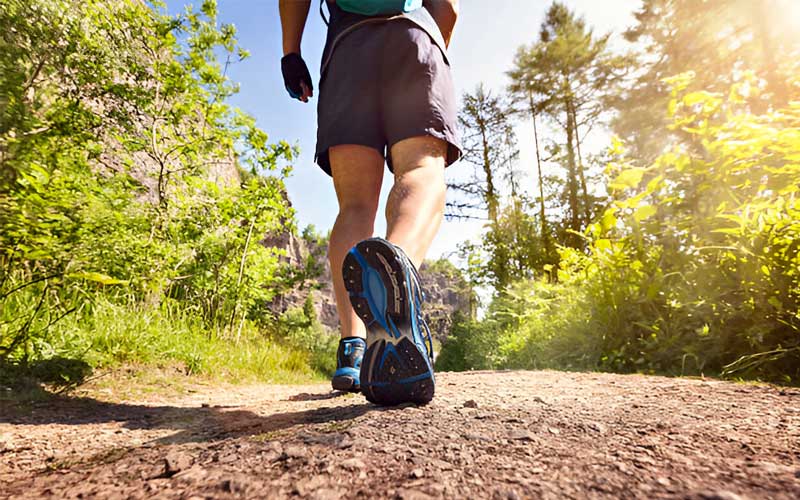
Trail running is a fun and challenging activity. The right shoes can make all the difference. Choosing the best pair depends on many factors. You need to consider the terrain, fit, and comfort. A good pair of trail running shoes will protect your feet and improve performance. Here’s a simple guide to help you choose the perfect pair.
Understand Your Terrain
Different trails require different types of shoes. Some are rocky, while others are muddy or smooth. If you run on soft, muddy trails, choose shoes with deep lugs. These provide better grip and prevent slipping. For rocky or uneven trails, pick shoes with good cushioning and a tough sole. These will protect your feet from sharp rocks. If your trails are dry and compact, lighter shoes with moderate grip will work well.
Get the Right Fit
The fit of your shoes is crucial. Your toes should not touch the front of the shoe. There should be some space for movement. This prevents black toenails and blisters. The heel should feel snug but not tight. A loose heel can cause friction and blisters. Try on shoes with the socks you plan to wear. This helps you get the most accurate fit. Always test your shoes by walking or running a little before buying.
Consider Cushioning and Support
Cushioning affects comfort and impact absorption. Some runners prefer more cushioning for extra comfort. Others like minimal cushioning for a better ground feel. If you run long distances, more cushioning can reduce fatigue. If you run short and fast, lighter shoes with less cushioning may work better.
Arch Support Matters
Arch support is important for comfort and injury prevention. If you have flat feet, choose shoes with extra stability and support. This helps prevent overpronation, which can lead to pain and injuries. If you have high arches, flexible shoes with good cushioning will be more comfortable. Neutral runners can choose shoes with moderate support. Knowing your arch type can help you pick the right shoes for your needs.
Check for Durability
Trail shoes take a lot of beating. They must be durable to handle rough conditions. Look for strong materials and reinforced toe caps. These protect your feet from rocks and roots. The outsole should be tough and resistant to wear. If you run often, a durable pair will last longer and save you money.
Think About Breathability and Waterproofing
Breathability keeps your feet cool and dry. Shoes with mesh uppers allow air to flow. This prevents sweating and reduces the risk of blisters. However, if you run in wet conditions, waterproof shoes might be better. These keep your feet dry but may be less breathable. Consider the weather and your running conditions before deciding.
Lug Pattern and Traction
Lug patterns affect grip. Deeper lugs offer better traction on muddy and slippery trails. Shallow lugs are better for dry and rocky trails. Some shoes have sticky rubber soles for extra grip on wet surfaces. Make sure the shoe provides the right traction for your usual running terrain.
Weight of the Shoe
Lighter shoes help you run faster with less effort. But they may lack durability and support. Heavier shoes offer more protection but can slow you down. Find a balance between weight and protection based on your needs. If speed is your priority, go for a lightweight shoe. If safety and support matter more, a sturdier shoe is better.
Heel-to-Toe Drop
Heel-to-toe drop is the difference in height between the heel and the forefoot. A higher drop (8-12mm) provides more heel cushioning. This suits runners who land on their heels. A lower drop (0-4mm) promotes a natural running style. It is better for runners who land on their midfoot or forefoot. Choose a drop that matches your running style to avoid discomfort or injuries.
Try Before You Buy
Always try on shoes before buying. Walk or run around the store to test comfort and fit. Your feet swell during a run, so try shoes in the evening when your feet are bigger. If you buy online, check the return policy. This ensures you can return or exchange them if they don’t fit well.
Break Them In
New shoes need time to adjust to your feet. Wear them for short runs first. This helps prevent blisters and discomfort. Gradually increase the distance to make them comfortable for longer runs. Breaking in your shoes properly ensures a smooth transition.
Replace Worn-Out Shoes
Trail running shoes wear out over time. Check the soles and cushioning regularly. If the grip is gone or the midsole feels flat, it’s time for a new pair. Running in worn-out shoes can cause injuries. Most trail shoes last between 300-500 miles. Keep track of your mileage and replace them when needed.
Conclusion
Shoes with a lot of cushioning or those that don’t have so much structural integrity or stability built into them but they have a lot of cushioning and that’s what you need when you have high arches particularly if you are a heel striker. Now, if you’re a forefoot or a mid-foot striker, it doesn’t matter as much because you naturally absorb more forces through the motion called pronation. Also, talk to somebody as an expert and just make sure you get the right kind of shoes that will help protect you from those jarring forces when you’re out on a run.