Finding the right trail runners for flat feet is important. Without good support, running on rough trails can cause pain. The best shoes provide stability, cushioning, and grip for comfort and safety. They help prevent injuries and make running more enjoyable. Some shoes have arch support, while others use special foam for extra comfort. Breathable materials keep feet cool and dry. A good fit is also key to avoiding blisters and discomfort. With so many choices, it can be hard to decide. This guide will help you find the best flat-foot trail running shoes for both men and women. Enjoy your runs without pain or discomfort!
1. Altra Lone Peak 9

- Heel-to-Toe Drop: 0 mm
- Stack Height: 25 mm
- Midsole: Altra EGO foam
- Outsole: MaxTrac rubber
The Altra Lone Peak 9 continues its legacy as a favorite for those who value a natural foot position. This iteration brings subtle but meaningful updates to the midsole and outsole, enhancing durability while maintaining the signature wide toe box. Whether you are navigating technical singletrack or embarking on a long-distance thru-hike, the Altra EGO foam provides a responsive yet protective ride that feels grounded and stable.
While it remains a zero-drop shoe, the moderate cushioning offers enough protection for rugged trails without sacrificing ground feel. The ripstop mesh upper is designed to withstand abrasions from rocks and brush, ensuring these shoes last through demanding seasons. It is a reliable, lightweight choice for runners who want a trusted companion for any trail length or difficulty level.
Pros: Natural foot shape, excellent ground feel, durable upper.
Cons: Zero-drop requires an adjustment period, MaxTrac rubber can slip on very wet rock.
View Men’s at REI View Women’s at REI
2. Topo Athletic Terraventure 5

- Heel-to-Toe Drop: 3 mm
- Outsole: Vibram Megagrip
- Rock Plate: Yes
- Weight: 1 lb. 4.6 oz.
The Topo Athletic Terraventure 5 is built for runners who demand stability and grip on technical terrain. Featuring a 3 mm drop, it provides a more traditional feel than zero-drop options while still offering a spacious toe box. The inclusion of a forefoot rock plate is a standout feature, providing essential protection against sharp stones and roots during high-speed descents on rugged trails.
Comfort is prioritized through the ZipFoam midsole, which blends EVA and TPU for a ride that is both soft and resilient. The Vibram Megagrip outsole ensures you stay surefooted on slippery surfaces, making it a powerhouse for wet or muddy conditions. Additionally, the use of recycled engineered mesh in the upper reflects a commitment to sustainability without compromising the shoe’s overall structural integrity or breathability.
Pros: Exceptional traction, protective rock plate, sustainable materials.
Cons: Firm ride for some, slightly heavier than racing-specific models.
View Men’s at REI View Women’s at REI
3. Saucony Peregrine 16

- Heel-to-Toe Drop: 4 mm
- Stack Height: 32 mm
- Midsole: PWRRUN foam
- Weight: 1 lb. 3 oz.
Saucony’s Peregrine 16 remains a benchmark for versatile, rugged trail performance. This version sees an increase in PWRRUN foam, delivering a more cushioned experience that absorbs impact without losing the nimble character the line is known for. It strikes an excellent balance between protection and speed, making it suitable for everything from daily training runs to competitive trail racing on varied surfaces.
The Vibram Megagrip outsole is the star here, providing world-class traction on loose dirt and slick rock alike. With its 4 mm drop and integrated rock plate, it offers a secure and confident ride through technical sections. The synthetic mesh upper is reinforced for durability and uses recycled PET in the lining, ensuring the shoe is as tough on the trail as it is kind to the environment.
Pros: Great energy return, superior grip, relatively lightweight.
Cons: Narrower fit than Altra/Topo, feels slightly stiff initially.
View Men’s at REI View Women’s at REI
4. HOKA Speedgoat 7

- Heel-to-Toe Drop: 5 mm
- Stack Height: 37.3 mm
- Midsole: Supercritical foam EVA
- Outsole: Vibram Megagrip
The HOKA Speedgoat 7 elevates the brand’s most popular trail shoe with the introduction of a supercritical foam midsole. This update provides a significantly more responsive and energetic feel underfoot, allowing for faster transitions on undulating terrain. Despite the high stack height, the shoe remains surprisingly stable, making it a top choice for ultra-distance runners who need maximum comfort without sacrificing a lively ride.
The Vibram Megagrip outsole continues to provide industry-leading traction, ensuring confidence on the steepest climbs and descents. While it lacks a rock plate, the sheer volume of EVA foam provides ample protection from trail debris. The vegan-friendly construction and woven rPET lining make this a modern, high-performance option for those who want a plush yet speedy experience during their off-road adventures on any rugged trail.
Pros: Extremely responsive, high cushioning, excellent traction.
Cons: High stack height lacks ground feel, no rock plate.
View Men’s at REI View Women’s at REI
5. Topo Athletic Pursuit 3

- Heel-to-Toe Drop: 0 mm
- Stack Height: 28 mm
- Midsole: ZipFoam (EVA/TPU)
- Outsole: Vibram Megagrip
The Topo Athletic Pursuit 3 is designed for the zero-drop enthusiast who wants more plushness than a traditional minimalist shoe. With a 28 mm stack height and a ZipFoam midsole, it offers a soft, well-cushioned ride that excels over long distances. The anatomical toe box allows for natural toe splay, reducing the risk of blisters and improving overall comfort during high-mileage days on gritty, rugged terrain.
Equipped with a Vibram Megagrip outsole, the Pursuit 3 provides exceptional confidence on technical surfaces. Although it does not feature a rock plate, the combined thickness of the midsole offers a significant buffer against sharp trail hazards. This vegan-friendly shoe is an excellent alternative for those who like the zero-drop philosophy of Altra but prefer the resilient and bouncy feel of Topo’s proprietary foam blends.
Pros: Roomy toe box, plush cushioning, reliable Vibram grip.
Cons: Lacks rock plate protection, can feel bulky on technical climbs.
View Men’s at REI View Women’s at REI
6. Altra Superior 7

- Heel-to-Toe Drop: 0 mm
- Stack Height: 21 mm
- Weight: 1 lb. 3 oz.
- Upper: Engineered knit
The Altra Superior 7 is the ultimate choice for runners who prefer a lightweight, minimalist feel on the trail. With its low 21 mm stack height, it offers an intimate connection to the ground, allowing for maximum proprioception and agility. This shoe is built for light trails where speed and nimble footwork are prioritized over heavy-duty protection, making it a fantastic option for shorter, faster efforts.
The engineered knit upper is breathable and reinforced with TPU overlays, providing a secure and comfortable fit. While it lacks a rock plate, the MaxTrac outsole provides sufficient grip for most off-road adventures. It is one of the lightest shoes in Altra’s lineup, appealing to those who want to feel fast and unrestricted. If you enjoy a “less is more” approach to trail running, the Superior 7 delivers exactly what you need.
Pros: Extremely lightweight, excellent ground feel, breathable upper.
Cons: Minimal protection from sharp rocks, not ideal for ultra-distances.
View Men’s at REI View Women’s at REI
7. Topo Athletic Ultraventure 4

- Heel-to-Toe Drop: 5 mm
- Stack Height: 35 mm
- Midsole: ZipFoam
- Outsole: Vibram XS Trek EVO
The Topo Athletic Ultraventure 4 is engineered for long-distance comfort on light to moderate trails. Featuring a generous 35 mm stack height at the heel, it offers maximum cushioning to protect your joints during high-mileage training or ultramarathons. The 5 mm drop provides a comfortable transition for most runners, while the wide toe box ensures your feet can expand naturally as the miles add up.
The Vibram XS Trek EVO outsole provides reliable traction and durability on a wide variety of terrain without feeling overly aggressive. The recycled mesh upper is both eco-friendly and highly breathable, keeping your feet cool and dry. While it lacks a rock plate, the thick ZipFoam midsole provides plenty of underfoot protection. It is a premium choice for trail runners who prioritize long-haul comfort and a smooth, stable ride over technical speed.
Pros: Maximum cushioning, comfortable wide fit, durable outsole.
Cons: Less agile on technical terrain, no rock plate for sharp debris.
View Men’s at REI View Women’s at REI
8. Brooks Cascadia 19

- Heel-to-Toe Drop: 6 mm
- Stack Height: 35 mm
- Midsole: DNA LOFT v3
- Outsole: TrailTack Green
The Brooks Cascadia 19 remains a stalwart in the trail running world, known for its incredible stability and reliability. This version utilizes DNA LOFT v3 cushioning, which provides a plush yet stable platform for tackling rugged terrain. It is designed to be highly adaptable, featuring an integrated rock plate that shields the foot from sharp objects while the 6 mm drop offers a familiar feel for many traditional road-to-trail runners.
The TrailTack Green outsole provides confident traction on both dry and wet surfaces, and the 3D Fit Print air mesh upper offers a secure, comfortable wrap. This shoe is a “do-it-all” workhorse that feels just as comfortable on a casual weekend hike as it does on a technical trail run. With its vegan-friendly construction and balanced cushioning, it is a versatile option for anyone seeking a protective and durable off-road shoe.
Pros: Excellent stability, protective rock plate, versatile for hiking.
Cons: Heavier than some competitors, DNA LOFT can feel a bit firm.
View Men’s at REI View Women’s at REI
9. La Sportiva Bushido III

- Heel-to-Toe Drop: 6 mm
- Weight: 1 lb. 5 oz.
- Outsole: FriXion XT 2.0
- Rock Plate: Yes
The La Sportiva Bushido III is a precision instrument designed for the most technical and demanding mountain terrain. It features a low-profile design that maximizes stability and ground feel, making it ideal for rock hopping and steep ascents. The updated FriXion XT 2.0 outsole offers aggressive traction, while the dual-density compressed EVA rock guard provides exceptional protection against the harshest elements found in high-alpine environments.
Fit is paramount in the Bushido III, with a highly secure upper featuring thermal adhesive microfiber and TPU toe caps for added durability. The 6 mm drop combined with STB inserts ensures medial and lateral support, preventing the foot from rolling on uneven surfaces. While it offers moderate cushioning, this shoe is built for performance and protection over technical ground rather than long-distance plushness, making it a favorite for mountain athletes.
Pros: Incredible technical precision, superior protection, very durable.
Cons: Narrow fit, firm cushioning may be harsh for long flats.
View Men’s at REI View Women’s at REI
10. New Balance Fresh Foam X Hierro v9

- Heel-to-Toe Drop: 4 mm
- Stack Height: 42 mm
- Midsole: Fresh Foam X
- Outsole: Vibram Megagrip
The New Balance Fresh Foam X Hierro v9 is the pinnacle of high-cushion comfort for light trail running. With a massive 42 mm stack height in the heel, it utilizes Fresh Foam X with bio-based EVA to deliver an incredibly soft and smooth ride. It is designed for runners who want to minimize impact over long distances, providing a cloud-like feel that handles gravel paths and forest trails with ease.
Despite its focus on comfort, the Hierro v9 does not skimp on traction, utilizing a Vibram Megagrip outsole to keep you stable on varied surfaces. The synthetic mesh upper is crafted for a secure yet flexible fit, though the shoe lacks a rock plate due to its substantial midsole thickness. It is an ideal choice for those looking for a premium, maximum-cushion experience during their off-road adventures, prioritizing foot health and comfort above all else.
Pros: Extremely soft cushioning, excellent traction, high comfort level.
Cons: Very high stack can feel unstable, not for technical terrain.
View Men’s at REI View Women’s at REI
How to Choose Trail Running Shoes for Flat Feet?
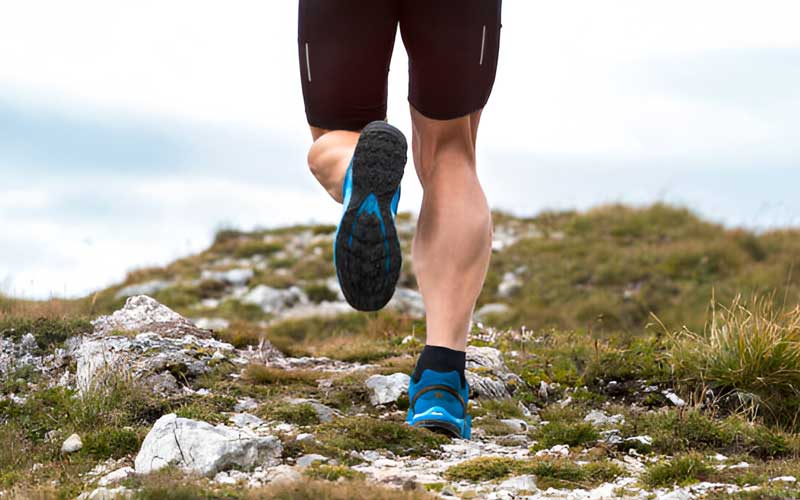
Trail running can be tough on your feet, especially if you have flat feet. Choosing the right shoes is important to prevent pain and injuries. Flat feet mean your arches are lower or absent, making your feet less able to absorb shock. This can cause discomfort and strain on your legs and joints. The right shoes can provide support and stability to keep you running comfortably on uneven terrain.
Understanding Flat Feet
Flat feet occur when the arches of the feet collapse, making the whole sole touch the ground. Some people are born with it, while others develop it over time. It can lead to overpronation, where the feet roll inward excessively while running. This puts stress on the ankles, knees, and hips. If you have flat feet, wearing proper shoes is key to reducing strain and improving performance.
Why Regular Running Shoes May Not Work
Regular running shoes may not provide the support needed for flat feet. Trail running shoes should offer extra stability, arch support, and cushioning. Without these features, runners with flat feet may experience pain and injuries. Uneven trails require shoes with better grip and support to prevent twisting or rolling the ankle.
Key Features to Look for in Trail Running Shoes
When choosing trail running shoes, focus on stability, arch support, and cushioning. Stability helps control foot movement and reduces overpronation. Arch support provides structure to keep the feet aligned. Cushioning absorbs shock, reducing stress on joints and muscles.
Stability and Motion Control
Stability shoes help control excessive foot movement. They are designed for runners who overpronate. Motion control shoes offer even more support for severe overpronation. Both types help keep the feet in the correct position while running on rough trails.
Arch Support and Midsole Design
Good arch support is essential for flat feet. Shoes with built-in arch support help maintain proper foot alignment. The midsole should be firm yet comfortable. A well-designed midsole prevents the foot from collapsing inward and offers extra comfort on rocky paths.
Cushioning for Comfort
Trail running can be hard on the feet, so cushioning is important. Shoes with thick, responsive cushioning absorb impact and reduce fatigue. Look for models with shock-absorbing foam or gel in the midsole. This helps prevent foot pain and discomfort after long runs.
Grip and Traction for Uneven Terrain
Trail surfaces vary from mud and rocks to grass and gravel. Shoes with deep lugs and strong rubber soles provide better grip. Good traction prevents slipping, especially on wet or steep trails. Shoes designed for trails have outsoles that help with stability on rough terrain.
Breathability and Water Resistance
Trail running shoes should keep feet dry and comfortable. Breathable mesh uppers allow air circulation, preventing sweat buildup. Water-resistant materials help keep feet dry in wet conditions. Some models have waterproof membranes, but they may reduce breathability.
Durability and Protection
Rugged trails can wear down shoes quickly. Choose shoes with reinforced toe caps and sturdy materials. A strong upper protects against rocks and roots. Durable outsoles ensure the shoes last longer, even on rough terrain.
Fit and Comfort
A good fit is essential for trail running shoes. Shoes that are too tight can cause blisters, while loose shoes may lead to instability. Try shoes on in the evening when feet are slightly swollen. Leave some space in the toe box for comfort. Ensure the heel is snug to prevent slipping.
Lightweight vs. Heavy Shoes
Lightweight shoes are great for speed and agility. However, heavier shoes offer more support and protection. Runners with flat feet may benefit from a balance between weight and stability. Shoes that are too light may not provide enough support for long runs on uneven ground.
Breaking in Your Trail Running Shoes
New shoes need a break-in period before long runs. Wear them on short walks or runs to allow the feet to adjust. This helps prevent discomfort and blisters. Gradually increase the distance to ensure the shoes are comfortable and supportive.
Choosing Between Different Brands
Several brands offer great options for flat feet. Some popular choices include Brooks, Salomon, ASICS, and HOKA. Each brand has different designs, so trying on multiple pairs helps find the best fit. Look for models with stability features and arch support.
Custom Insoles for Extra Support
Some runners with flat feet benefit from custom insoles. These inserts provide extra arch support and improve comfort. Custom orthotics can be expensive, but they help prevent pain and injuries. Many trail running shoes have removable insoles, allowing for custom inserts.
When to Replace Your Trail Running Shoes
Trail running shoes wear out over time. The cushioning and support break down, reducing their effectiveness. Replace shoes every 300 to 500 miles, depending on usage. Worn-out shoes can lead to discomfort and injuries, so check for signs of wear regularly.
Consulting a Specialist
If you struggle with pain or discomfort, consult a podiatrist. A foot specialist can assess your needs and recommend the best shoes. They may also suggest exercises to strengthen foot muscles and improve stability. Professional advice ensures you choose the right shoes for your running style.
Conclusion
Choosing trail running shoes for flat feet requires attention to support, cushioning, and stability. The right shoes can reduce discomfort and prevent injuries. Look for models with arch support, firm midsoles, and good traction. Trying on different brands and using custom insoles can improve comfort. Proper footwear makes trail running enjoyable and helps protect your feet on rugged terrain.