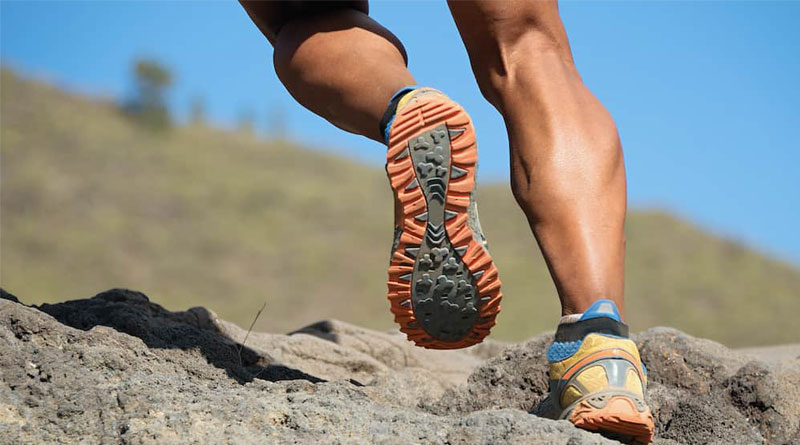
Finding the right trail running shoes for wide feet can be tricky. Many brands make narrow shoes that feel tight and uncomfortable. A good pair should give your toes space, offer solid grip, and provide good arch support. It should also protect your feet from rough trails and keep them stable. The best wide-fit trail running shoes prevent blisters and let you run without pain. They also have strong cushioning to absorb impact. In this guide, we’ll explore the top options for wide feet. Whether you need extra comfort, durability, or a waterproof design, we’ve got you covered. Let’s find the perfect trail running shoes for your adventures!
1. HOKA Speedgoat 7

- Midsole: Supercritical foam EVA
- Outsole: Vibram Megagrip
- Heel-to-Toe Drop: 5 mm
- Stack Height: 37.3 mm / 33.3 mm
The HOKA Speedgoat 7 continues its legacy as a trail powerhouse by amping up the energy return. Featuring an all-new supercritical foam midsole, this iteration is significantly more responsive than its predecessors, making it ideal for runners who want a bouncy, energetic feel on technical terrain.
Equipped with a rugged Vibram Megagrip outsole, these shoes offer confident traction across various surfaces. While it lacks a rock plate, the generous stack height provides plenty of underfoot protection for long days in the mountains. The vegan-friendly construction and recycled lining make it a sustainable choice for environmentally conscious athletes.
Pros: High energy return, excellent grip, lightweight for its size.
Cons: No rock plate, high stack height may feel unstable for some.
View Men’s at REI View Women’s at REI
2. Topo Athletic Ultraventure 4

- Cushioning: Maximum
- Midsole: ZipFoam (EVA/TPU blend)
- Outsole: Vibram XS Trek EVO
- Upper: Recycled mesh
Designed for long-haul comfort, the Topo Athletic Ultraventure 4 is a premier choice for light-trail adventures. The signature ZipFoam midsole provides a plush, maximum-cushion ride that excels during high-mileage efforts. It remains stable and supportive without sacrificing the natural foot shape Topo is known for.
The outsole features Vibram XS Trek EVO rubber, which offers a reliable balance of durability and traction on varied terrain. With a recycled mesh upper and vegan materials, this shoe balances performance with sustainability. It is an excellent option for runners prioritizing comfort and toe-box room over aggressive technical agility.
Pros: Extremely comfortable, spacious toe box, sustainable materials.
Cons: Not built for highly technical terrain, lacks rock plate protection.
View Men’s at REI View Women’s at REI
3. Altra Lone Peak 9

- Heel-to-Toe Drop: 0 mm
- Midsole: Altra EGO foam
- Outsole: MaxTrac rubber
- Rock Plate: Yes
The Altra Lone Peak 9 remains a favorite for trail purists who demand a zero-drop platform. This updated version features a refined Altra EGO foam midsole that balances weight and durability, making it suitable for both fast trail runs and long-distance hiking. The ripstop mesh upper adds necessary ruggedness.
What sets this shoe apart is its ability to tackle rugged trails while maintaining a ground-feel connection. The MaxTrac outsole provides reliable grip, while the integrated rock plate protects the foot from sharp debris. It continues to be a go-to for those who value natural foot positioning and a wide fit.
Pros: Natural foot shape, zero-drop platform, built-in rock protection.
Cons: Heavier than some competitors, zero-drop requires an adaptation period.
View Men’s at REI View Women’s at REI
4. Saucony Peregrine 16

- Outsole: Vibram Megagrip
- Midsole: PWRRUN foam (EVA)
- Rock Plate: Yes
- Weight (Pair): 1 lb. 3 oz.
The Saucony Peregrine 16 is a nimble and aggressive choice for runners who frequent technical, rugged trails. With an increased stack of PWRRUN foam, it offers more underfoot comfort than previous versions without losing its signature trail feel. The lightweight design makes it one of the faster options in this category.
Traction is handled by the industry-standard Vibram Megagrip, ensuring you stay upright on slick roots and loose rocks. The inclusion of a rock plate provides peace of mind on jagged surfaces. This shoe is a well-rounded performer that excels in muddy or uneven conditions where agility and grip are paramount.
Pros: Very lightweight, exceptional traction, effective rock protection.
Cons: Moderate cushion may feel firm for ultra-distances.
View Men’s at REI View Women’s at REI
5. Brooks Cascadia 19

- Midsole: DNA LOFT v3
- Outsole: TrailTack Green
- Rock Plate: Yes
- Cushioning: Maximum
Brooks Cascadia 19 is built for the explorer who needs stability on unpredictable terrain. Featuring the DNA LOFT v3 nitrogen-infused midsole, it offers a plush yet stable ride. The shoe is designed to be protective, making it a reliable partner for those venturing into rugged, backcountry trails.
The TrailTack Green outsole provides eco-friendly traction that doesn’t compromise on grip. A built-in rock plate shields the foot from impacts, while the 3D Fit Print upper ensures a secure, breathable fit. This is a durable, high-cushion workhorse that prioritizes foot health and stability over long distances.
Pros: Extremely stable, protective rock plate, high-quality cushioning.
Cons: On the heavier side, feels less nimble than racing models.
View Men’s at REI View Women’s at REI
6. HOKA Challenger 8

- Heel Stack Height: 42 mm
- Heel-to-Toe Drop: 8 mm
- Midsole: Compression-molded EVA
- Cushioning: Maximum
The HOKA Challenger 8 is the ultimate “road-to-trail” hybrid, designed for runners who transition between pavement and gravel. With a massive 42mm heel stack, this shoe offers incredible impact protection. The updated foam and fit make it more comfortable for daily training on mixed surfaces.
The outsole uses a blend of rubber and EVA, providing enough grip for light trails without feeling clunky on the road. While it lacks a rock plate, the sheer volume of foam offers significant protection. It is a versatile choice for those who need one shoe to handle multiple environments comfortably.
Pros: Massive cushioning, versatile hybrid use, very smooth ride.
Cons: Not suitable for technical trails, lack of rock plate.
View Men’s at REI View Women’s at REI
7. La Sportiva Bushido III

- Outsole: FriXion XT 2.0 V-Groove
- Rock Plate: Yes
- Heel-to-Toe Drop: 6 mm
- Upper: Air mesh with TPU overlays
The La Sportiva Bushido III is a technical marvel designed for mountain running. It offers a low-profile, highly stable platform that gives runners immense confidence on steep and rocky terrain. The updated outsole features V-Groove rubber for superior traction on both wet and dry technical surfaces.
With a 1.5mm EVA rock guard and TPU STB inserts for lateral support, this shoe is built for protection and stability. It fits securely, preventing foot slide during aggressive descents. While the cushioning is moderate, the focus is clearly on precision and durability in the most challenging mountain environments.
Pros: Excellent stability, technical precision, durable construction.
Cons: Low stack height provides less impact protection, narrow fit.
View Men’s at REI View Women’s at REI
8. Salomon Speedcross 6

- Heel-to-Toe Drop: 10 mm
- Outsole: Contagrip rubber
- Closure: Single-pull Lace
- Midsole: EnergyCell+
The Salomon Speedcross 6 is a legendary trail shoe redefined for better grip and faster mud clearance. Its aggressive Contagrip lugs make it a specialist in soft, loose, or muddy conditions. The single-pull Quicklace system provides a precise fit that can be adjusted on the fly with ease.
Underfoot, the EnergyCell+ midsole offers moderate cushioning with high energy return. Although it lacks a rock plate, the high heel-to-toe drop and thick lugs provide a powerful connection to the trail. It is the definitive choice for runners who prioritize traction and a secure lockdown in messy off-road conditions.
Pros: Best-in-class mud traction, easy lacing system, secure fit.
Cons: High drop isn’t for everyone, lugs wear fast on pavement.
View Men’s at REI View Women’s at REI
How to Choose Trail Runners for Wide Feet?
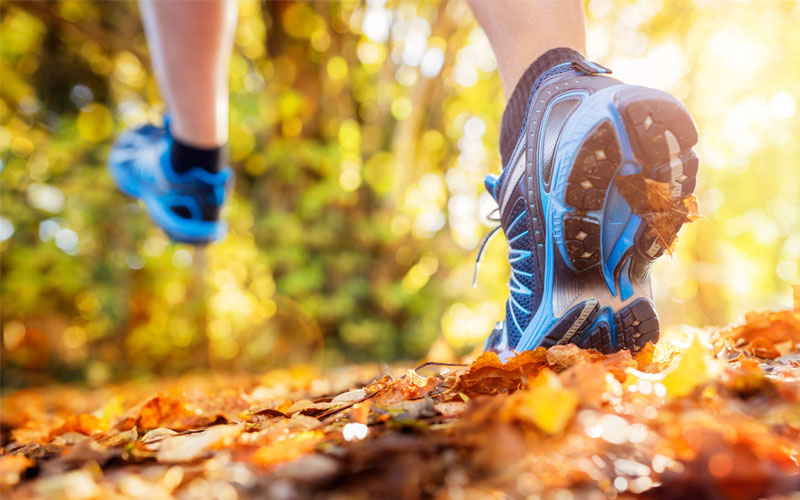
Trail running is an exciting way to explore nature while staying fit. But for people with wide feet, finding the right trail running shoes can be difficult. A poor fit can cause discomfort, blisters, and even injuries. Choosing the right pair ensures comfort, stability, and protection on rough trails.
Understanding Your Foot Shape
Before buying shoes, it is important to understand your foot shape. Wide feet need extra space in the toe box and midfoot area. Some people have naturally wider feet, while others develop them over time. Foot width can also change due to factors like age, swelling, or injuries. Knowing your exact foot size and width helps in making the best choice.
Why Regular Running Shoes May Not Work
Many standard running shoes are designed for narrow or medium-width feet. This can lead to tightness and discomfort for those with wide feet. A tight shoe can cause blisters, black toenails, and pain. In contrast, a properly fitting shoe provides enough room for natural foot movement. This improves comfort and reduces the risk of injuries.
Choosing the Right Fit
A well-fitting trail running shoe should feel snug but not tight. There should be enough space in the toe box to wiggle your toes. The midfoot and heel should feel secure without causing pressure points. Trying shoes on in the evening is a good idea since feet tend to swell throughout the day. Wearing your usual running socks while testing shoes also helps in getting an accurate fit.
Look for Wide-Specific Models
Many brands offer wide versions of their popular trail running shoes. These models provide extra room in key areas without compromising performance. Some well-known brands like New Balance, Altra, and Brooks have excellent options for wide feet. Checking for shoes labeled “wide” or “extra-wide” ensures a better fit.
Consider the Toe Box Shape
A wide toe box allows toes to spread naturally. This helps with balance and reduces pressure points. Brands like Altra and Topo Athletic design shoes with foot-shaped toe boxes. These are ideal for runners who need extra room in the front. A narrow or pointed toe box can cause discomfort and restrict movement.
Cushioning and Support
Trail surfaces can be rough, so good cushioning is important. Too much cushioning can make a shoe feel unstable, while too little can cause discomfort. A balanced level of cushioning absorbs impact and protects feet from sharp rocks and roots. Some shoes offer extra padding around the heel and forefoot for added comfort.
Traction and Grip
Trail running shoes need a strong grip to handle different terrains. Look for outsoles with deep lugs for better traction on muddy or rocky surfaces. A good outsole provides stability and prevents slipping. Brands like Salomon and La Sportiva have excellent grip technology for rough trails.
Breathability and Waterproofing
Breathable materials keep feet dry and comfortable during long runs. Shoes with mesh uppers allow air to flow, preventing sweat buildup. In wet conditions, waterproof shoes with GORE-TEX lining help keep feet dry. However, waterproof shoes can feel less breathable in hot weather. Choosing between breathability and waterproofing depends on the climate and trail conditions.
Heel Drop and Stability
Heel drop refers to the difference in height between the heel and forefoot. A lower heel drop encourages a natural stride, while a higher drop provides more heel support. Runners with wide feet should choose a shoe that feels stable and comfortable for their running style. Some brands offer zero-drop shoes, which promote a more natural foot position.
Trying Shoes Before Buying
Trying on shoes before purchasing is essential. Walking or jogging in them helps assess comfort and fit. If buying online, checking return policies ensures an easy exchange if the fit is not right. Reading reviews from other runners with wide feet can also provide useful insights.
Breaking in Your Shoes
New shoes may need a break-in period before long runs. Wearing them for short walks or runs helps the feet adjust. This reduces the risk of blisters and discomfort. If a shoe feels uncomfortable after several wears, it may not be the right fit.
Conclusion
Choosing the right trail running shoes improves comfort and performance. Understanding foot shape, selecting wide-specific models, and considering factors like cushioning, traction, and breathability are key. Taking time to find the perfect fit makes trail running more enjoyable and reduces the risk of injuries. With the right shoes, runners with wide feet can hit the trails with confidence.