When it comes to hitting the trail, you don’t need to spend a fortune to get a reliable pair of shoes. The right footwear should offer solid grip, decent comfort, and good support without breaking the bank. Whether you are a beginner or just watching your wallet, we have found the best budget hiking shoes that prove you can save money without skimping on quality.
1. Merrell Moab 3

- Upper: Pigskin leather and mesh
- Outsole: Vibram TC5+ rubber
- Midsole: Super Rebound Compound
- Weight: 2 lbs. 1 oz. (Pair)
The Merrell Moab 3 continues the legacy of being the worlds most popular hiking shoe by offering unmatched out of the box comfort. This latest version features a more supportive insole and a softer midsole that provides better shock absorption for long days on the trail. The pigskin leather construction ensures the shoe remains durable against abrasions while the mesh panels allow for necessary airflow.
Known for its versatility, this shoe excels on both well groomed paths and rocky terrain. The Vibram TC5+ outsole delivers reliable grip and the molded nylon arch shank provides the stability needed for carrying light packs. It remains a top choice for hikers who prioritize a sturdy feel and a proven track record of reliability without a long break in period.
Pros: Exceptional comfort, durable leather construction, great arch support.
Cons: Slightly heavy, not waterproof.
See the Merrell Moab 3 See the Women’s Moab 3
2. Merrell Moab Speed 2

- Upper: Engineered mesh and TPU
- Midsole: FloatPro foam
- Outsole: Vibram TC5+ rubber
- Weight: 1 lb. 8 oz. (Pair)
The Merrell Moab Speed 2 is designed for those who want the reliability of a Moab but with the agility of a trail runner. This update features thirty percent more foam underfoot, providing a plush ride that protects your joints during fast paced treks. The engineered mesh upper is highly breathable and reinforced with TPU for added protection against trail debris.
Stability and traction are significantly improved in this model, making it a confident choice for varied conditions. The FloatPro foam midsole keeps the weight remarkably low, while the Vibram outsole ensures you stay grounded on slippery surfaces. It is an ideal hybrid shoe for hikers who value speed and lightweight performance without sacrificing the support Merrell is known for.
Pros: Very lightweight, excellent cushioning, highly breathable.
Cons: Less durable than leather models, mesh may let in fine dust.
See the Merrell Moab Speed 2 See the Women’s Moab Speed 2
3. Columbia Fairbanks Low
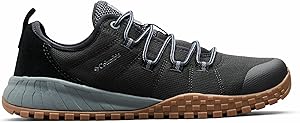
- Upper: Mesh and suede heel cap
- Midsole: TechLite lightweight compound
- Outsole: Omni-Grip non-marking rubber
- Closure: Flexible webbing eyelets
The Columbia Fairbanks Low is a versatile performer that bridges the gap between town and trail. Its streamlined design features a breathable mesh upper paired with a durable suede heel cap for a secure fit. The integrated webbing eyelets allow the lacing system to adapt to your foot movement, ensuring a snug feel that remains comfortable throughout the entire day.
Equipped with a TechLite midsole, these shoes provide high energy return and superior cushioning for long walks. The Omni-Grip outsole is specifically designed for multi terrain traction, offering safety on wet rocks while remaining non marking for indoor use. This makes it a perfect choice for travelers who need one shoe that can handle light hiking and city exploration with equal ease.
Pros: Stylish versatile design, high energy return, indoor safe outsole.
Cons: Not for technical terrain, limited ankle support.
See the Columbia Fairbanks Low See the Women’s Fairbanks Low
4. NORTIV 8 Hiking Shoes

- Fit: Wide toe box design
- Waterproofing: Full waterproof construction
- Protection: Reinforced rubber toe cap
- Midsole: Shock absorbing flexible foam
NORTIV 8 Hiking Shoes are built for durability and protection in wet environments. Featuring a full waterproof construction, these shoes are ideal for trekking through snow, mud, or performing outdoor work. The roomy wide fit design ensures that your toes have plenty of space to splay naturally, which significantly reduces pressure and fatigue during long hours of continuous wear on the job or trail.
Safety is a priority with the inclusion of a reinforced rubber toe cap that shields against impacts from rocks and roots. The flexible midsole works to absorb shocks on uneven surfaces, providing a stable platform for landscaping or hiking. These shoes offer a rugged solution for those seeking affordable, waterproof footwear that can handle both professional outdoor tasks and recreational adventures.
Pros: Budget friendly, excellent waterproofing, roomy toe box.
Cons: Heavier feel, styling is very utilitarian.
See the NORTIV 8 Hiking Shoes See the Women’s NORTIV 8 Shoes
5. Merrell Moab 3 Waterproof

- Waterproofing: Merrell DRY membrane
- Upper: Pig suede leather and mesh
- Outsole: Vibram TC5+
- Weight: 2 lbs. 1.8 oz. (Pair)
The Merrell Moab 3 Waterproof takes everything hikers love about the standard Moab and adds a proprietary Merrell DRY membrane to seal out moisture. This makes it the go to choice for hikers who frequently encounter stream crossings or rainy conditions. The pig suede leather upper remains soft and pliable, offering that famous out of the box comfort while maintaining long term durability.
Support is bolstered by a molded nylon arch shank and a Super Rebound Compound midsole, which helps reduce torque and provides a smooth transition on every step. The Vibram TC5+ outsole offers aggressive lugs for traction on slippery mud. It is a reliable, sturdy companion for any weather, providing peace of mind and dry feet regardless of what the clouds or the trail might bring.
Pros: Reliable waterproofing, classic sturdy feel, no break in required.
Cons: Can run warm in summer, slightly heavier than non waterproof.
See the Merrell Moab 3 Waterproof See the Women’s Moab 3 Waterproof
6. Salomon X Ultra 5 GTX

- Waterproofing: GORE-TEX membrane
- Closure: Single-pull Quicklace
- Outsole: All Terrain Contagrip
- Weight: 1 lb. 10.8 oz. (Pair)
The Salomon X Ultra 5 GTX is engineered for hikers who want to move quickly and confidently through technical terrain. It balances the agility of a trail runner with the stability needed for steep ascents and descents. The GORE-TEX lining provides industry leading waterproof protection while maintaining breathability, and the signature Quicklace system allows for fast, one pull adjustments that never come untied.
Underfoot, the EnergyCell midsole absorbs impact, while the All Terrain Contagrip outsole bites into loose dirt and wet rocks. This shoe feels remarkably light on the feet, encouraging a fast pace on the trail. It is an excellent choice for modern hikers who prefer a more athletic fit and feel without compromising on the technical features required for demanding mountain environments.
Pros: Quick lacing system, very stable on descents, lightweight.
Cons: Narrower fit, thin laces can feel sharp on the bridge.
See the Salomon X Ultra 5 GTX See the Women’s X Ultra 5 GTX
7. Altra Lone Peak 9 Waterproof

- Waterproofing: Bootie construction
- Midsole: Altra EGO foam
- Outsole: MaxTrac rubber
- Upper: Recycled polyester mesh
The Altra Lone Peak 9 Waterproof is a favorite among thru hikers who appreciate the brands signature zero drop platform and wide FootShape toe box. This waterproof version uses a bootie construction to keep your feet dry while navigating wet grass or muddy trails. The Altra EGO foam midsole provides a responsive yet cushioned ride, allowing for a better feel of the terrain beneath your feet.
Known for its natural foot positioning, this shoe helps reduce the impact of long distance trekking. The MaxTrac outsole features multi directional lugs that provide impressive grip on both uphill climbs and slippery downhills. It is a fantastic option for hikers who want a more natural walking gait and the added protection of a waterproof barrier during extended trips in the backcountry.
Pros: Natural toe splay, lightweight, responsive cushioning.
Cons: Zero drop takes time to adapt, less arch support.
See the Altra Lone Peak 9 Waterproof See the Women’s Lone Peak 9 Waterproof
8. Danner Trail 2650

- Outsole: Vibram 460 with Megagrip
- Upper: Suede leather and textile
- Support: TPU shank and external heel counter
- Weight: 1 lb. 8 oz. (Pair)
Inspired by the rigorous 2,650 mile Pacific Crest Trail, the Danner Trail 2650 is built to be both tough and incredibly breathable. It uses a combination of durable suede leather and lightweight textile to create an upper that can withstand rugged environments while keeping your feet cool. The external heel counter and TPU shank provide the stability needed for navigating rocky, uneven terrain without adding unnecessary weight.
The standout feature is the Vibram 460 outsole with Megagrip technology, which offers some of the best traction available on wet and dry surfaces alike. This shoe feels fast and secure, making it a favorite for hikers who move at a quick pace over long distances. Danners legendary craftsmanship is evident in every stitch, ensuring these shoes can handle the most demanding adventures you have planned.
Pros: Superior Megagrip traction, very breathable, high durability.
Cons: Premium price point, non waterproof mesh.
See the Danner Trail 2650 See the Women’s Trail 2650
How to Choose Budget Hiking Shoes: A Comprehensive Guide
Hiking is one of the most accessible ways to reconnect with nature, but the cost of technical gear can often feel like a barrier to entry. While high-end mountaineering boots can easily exceed several hundred dollars, you don’t need to break the bank to find a pair of shoes that are safe, comfortable, and durable. Choosing budget hiking shoes is about understanding where you can compromise and where you must insist on quality. This guide will walk you through the essential factors to consider when shopping for affordable trail footwear.
Understand Your Hiking Style
Before looking at price tags, you must identify the type of terrain you intend to traverse. Not all budget shoes are created equal, and a shoe designed for a casual gravel path will fail miserably on a steep, rocky ascent. By matching the shoe to your environment, you ensure that even a cheaper model provides the necessary protection.
Easy Trails and Day Hikes
If your adventures consist mainly of well-maintained park trails or flat woodland paths, you can opt for lightweight hiking shoes or even “trail runners.” These budget-friendly options prioritize flexibility and breathability. Since the terrain is predictable, you don’t necessarily need heavy-duty ankle support or aggressive deep lugs on the outsole.
Technical and Rugged Terrain
For those planning to tackle steep inclines, loose scree, or muddy paths, the requirements change. You will need a budget shoe with a stiffer midsole and a more aggressive tread pattern. Look for shoes that feature reinforced toe caps to protect against rock strikes, as these are common points of failure in cheaper footwear.
Key Features to Prioritize
When shopping in the budget category, manufacturers often cut costs by using heavier materials or proprietary technologies instead of name-brand components like GORE-TEX or Vibram. Here is what you should look for to ensure you are still getting a high-performing product.
Outsole Grip and Traction
Traction is the most critical safety feature of any hiking shoe. In budget models, you may not find the Vibram logo, but you should look for “multi-directional lugs.” These are the rubber bumps on the bottom of the shoe. Deep, widely spaced lugs are better for mud and loose soil, while flatter, sticky rubber is better for gripping solid rock. Check that the rubber feels slightly tacky to the touch; if it feels like hard, slick plastic, it will likely be slippery on wet surfaces.
Midsole Cushioning and Support
The midsole is the layer between the outsole and your foot, responsible for shock absorption. Most budget shoes use EVA (Ethylene Vinyl Acetate) foam. It is lightweight and provides excellent initial comfort. However, be aware that cheaper EVA can compress over time. If you are a heavier hiker or carry a heavy pack, look for a shoe with a “shank”—a thin piece of plastic or nylon inserted into the midsole—to provide longitudinal stiffness and prevent foot fatigue.
Materials: Synthetic vs. Leather
Budget hiking shoes are typically made from either synthetic materials (nylon, polyester, or synthetic leather) or split-grain leather. Each has its pros and cons regarding cost and performance.
Synthetic Uppers
Synthetics are the hallmark of the budget category. They are lighter, dry faster, and require almost no “break-in” period. The downside is that they may show wear and tear faster than leather, especially at the flex points where the shoe bends near the toes. For most casual hikers, the weight savings and lower price of synthetics make them the superior choice.
Leather and Suede
You can occasionally find budget-friendly shoes made of suede or “pigskin” leather. These offer better abrasion resistance and naturally mold to the shape of your foot over time. However, they are heavier and less breathable. If you hike in thorny brush or sharp rocky areas, a budget leather shoe might outlast a synthetic one.
The Waterproofing Dilemma
One of the biggest questions when buying budget gear is whether to pay extra for a waterproof membrane. In the budget tier, waterproofing is usually achieved through proprietary membranes (like Merrell’s “M-Select DRY” or Columbia’s “Omni-Tech”) rather than the more expensive GORE-TEX.
When to Go Waterproof
If you frequently hike in cold climates, damp grass, or areas with frequent rain, a waterproof shoe is worth the investment. It keeps your feet dry and provides an extra layer of warmth. However, keep in mind that “waterproof” also means “less breathable.” In hot weather, your feet may sweat excessively, leading to blisters.
The Case for Non-Waterproof Shoes
If you mostly hike in the summer or in desert environments, a non-waterproof mesh shoe is often the better budget choice. They are significantly cheaper, much cooler, and if they do get wet (such as during a stream crossing), they will dry out much faster than a waterproof shoe, which tends to trap water inside once it enters through the ankle cuff.
Finding the Right Fit
The most expensive hiking shoe in the world will cause blisters if it doesn’t fit correctly, while a $60 budget shoe can feel like a dream if the fit is perfect. Fit is the one area where you should never compromise.
The Thumb Rule
When your foot is in the shoe and unlaced, slide your foot forward until your toes touch the front. You should be able to fit one finger behind your heel. This ensures that when you are hiking downhill, your toes won’t slam into the front of the shoe—a common cause of lost toenails.
Consider Foot Volume and Width
Brands tend to have different “lasts” (the foot shape they build around). For example, Merrell and Keen are known for wider toe boxes, while Salomon often runs narrower. If you have wide feet, don’t try to squeeze into a narrow budget shoe just because it’s on sale; look for brands specifically known for a roomier fit to avoid “hot spots” and discomfort.
Where to Find the Best Deals
To get a high-quality shoe on a budget, you often have to be strategic about where and when you shop. You can frequently get a $150 shoe for $70 if you know where to look.
- Previous Season Models: When a brand releases a “Version 3” of a popular shoe, the “Version 2” usually goes on clearance. The technical differences are often negligible.
- Outlet Stores and Online Clearances: Websites often have “garage sales” or outlet sections where last year’s colors are sold at a deep discount.
- Store Brands: Many large outdoor retailers have their own in-house brands. These often offer the same features as big-name brands but without the marketing markup.
Maintenance to Extend Lifespan
Since budget shoes may use slightly less durable materials, proper maintenance is key to making them last for years rather than months. Always clean mud off your shoes after a hike, as dried mud can suck the moisture out of fabrics and cause them to crack. Never dry your shoes next to a direct heat source like a campfire or heater, as this can melt the adhesives holding the sole together. Air drying is always best.
Final Thoughts
Choosing budget hiking shoes doesn’t mean you are settling for an inferior experience. By focusing on a solid outsole, a comfortable midsole, and a perfect fit, you can find footwear that supports your journey without draining your savings. Remember, the best hiking shoe isn’t the one with the highest price tag—it’s the one that lets you forget about your feet and enjoy the view.