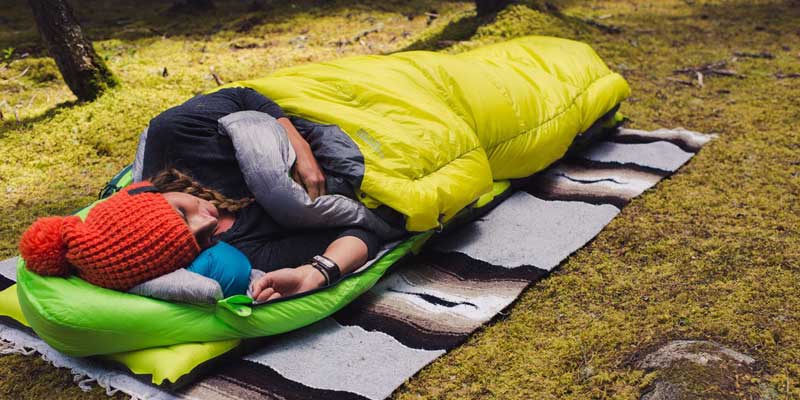
Sleeping pads work fine for most people. But most pads just don’t work very well when it comes to side sleepers. People often complain about their sleeping pads being uncomfortable. And so, sleeping pads for side sleepers is one of the most asked questions among hikers. The reason this happens is that the weight distribution of a person sleeping on his side and a person sleeping on his back or chest is different. The weight of a person sleeping on his back is evenly distributed over a wide surface area.
Well, here are the top picks for you if you like to sleep on your side.
1. Big Agnes Rapide SL

- Best Use: Backpacking
- Pad Type: Air
- R-Value: 4.8
- Thickness: 4.25 inches
The Big Agnes Rapide SL is a premier option for outdoor enthusiasts seeking reliable three-season comfort. By redesigning the internal insulation, the manufacturer successfully boosted the overall warmth while simultaneously reducing the total trail weight. This model stands out because it compresses into a remarkably tiny packed size compared to its predecessor, making it highly efficient for space-conscious packers.
Sleep quality is elevated by the impressive thickness, which keeps you well off the uneven ground. The structural design cradles your body effectively throughout the night. It is an ideal blend of utility, comfort, and packability for demanding backcountry trips.
Pros: High R-value warmth, impressive thickness, compact packed size, multiple size options available.
Cons: Can be heavier in the larger or double-wide configurations.
2. REI Co-op Traverse Insulated

- Best Use: Backpacking
- Pad Type: Air
- R-Value: 4.3
- Thickness: 3.5 inches
The REI Co-op Traverse Insulated air pad is crafted for backpackers wanting to extend their mileage without sacrificing a restful night. It strikes a competitive balance between a lightweight build and luxurious cushioning. Featuring synthetic insulation, this pad delivers an excellent barrier against chilly terrain to keep you warm when temperatures drop.
Its rectangular shape offers plenty of surface area for natural movement during sleep. The included repair kit and stuff sack ensure you are prepared for unexpected trail mishaps. It is a solid, mid-tier choice for consistent comfort across diverse landscapes.
Pros: Good warmth-to-weight ratio, stable rectangular shape, reliable synthetic insulation.
Cons: Limited size variety compared to some specialized competitor lines.
3. Andola Self-Inflating Sleeping Pad

- Best Use: Camping and Hiking
- Pad Type: Self-Inflating Foam
- R-Value: 9.5
- Thickness: 3 inches
The Andola Self-Inflating Sleeping Pad brings high-performance luxury to the outdoors using a premium 60D stretch knit fabric. This heavy-duty material resists tearing, absorbs sweat, and completely eliminates the annoying crinkling noises common with standard nylon pads. Utilizing high-density memory foam, the core naturally expands in seconds to form a stable, plush mattress.
An integrated pillow design provides extra convenience by saving valuable packing space. With a massive insulation rating, this model acts as a robust thermal shield against extreme winter ground temperatures. The non-slip bottom surface prevents shifting inside your tent during restless nights.
Pros: Exceptional winter R-value, built-in pillow, silent stretch fabric, quick self-inflation.
Cons: Bulkier packed size makes it less suitable for minimalist ultralight backpacking.
See the Andola Self-Inflating Sleeping Pad
4. Big Agnes Zoom UL Insulated

- Best Use: Backpacking
- Pad Type: Air (Ultralight)
- R-Value: 4.3
- Thickness: 3.5 inches
The Big Agnes Zoom UL Insulated pad is intentionally engineered for backcountry travelers prioritizing minimal pack weight. Despite its incredibly light structure, this pad does not cut corners when it comes to night-long comfort. It utilizes synthetic insulation to achieve a stable thermal barrier appropriate for colder wilderness conditions.
A smart design feature incorporates enlarged outer chambers that naturally guide and cradle you toward the center. This effectively prevents you from sliding off during the night. It packs down exceptionally small, making it a dream accessory for fast-and-light trail enthusiasts.
Pros: Extremely lightweight, cradling side chambers, excellent warmth for an ultralight pad.
Cons: Thinner fabric requires extra care to prevent punctures on rough ground.
See the Big Agnes Zoom UL Insulated
5. Sea to Summit Ether Light XR Insulated ASC

- Best Use: Backpacking
- Pad Type: Air
- R-Value: 4.1
- Thickness: 3.9 inches
The Sea to Summit Ether Light XR Insulated ASC sleeping pad focuses on providing a plush mattress feel. Boasting a generous depth, it allows your hips and shoulders to sink in comfortably without bottoming out. This makes it an absolute favorite for side sleepers who dread hard surfaces.
The specialized Air Sprung Cells conform dynamically to your unique body shape for enhanced stability. Offered in multiple shapes, including weight-saving mummy silhouettes and spacious rectangular builds, it serves various preferences. It provides adequate insulation to keep you cozy after exhausting days on the trail.
Pros: Generous thickness, comfortable cell design, multiple shape configurations available.
Cons: Rectangular and wide options add extra weight to your pack.
See the Sea to Summit Ether Light XR
6. Therm-a-Rest NeoAir XLite NXT

- Best Use: Backpacking
- Pad Type: Air (Ultralight)
- R-Value: 4.5
- Thickness: 3 inches
The Therm-a-Rest NeoAir XLite NXT is a highly regarded option built for year-round backcountry excursions. This specialized model delivers a remarkable level of warmth relative to its incredibly featherlight construction. It rolls down to an impressively small packed size, leaving plenty of room in your backpack for other gear.
The three-inch loft offers a supportive cushion that easily masks uneven terrain underneath your tent. The mummy shape trims away unnecessary material to maximize thermal efficiency and minimize bulk. It represents a top-tier choice for serious hikers watching every single ounce.
Pros: Outstanding warmth-to-weight ratio, very compact packed size, supportive internal structure.
Cons: Tapered mummy shape offers less leg room for restless sleepers.
See the Therm-a-Rest NeoAir XLite NXT
7. NEMO Tensor All-Season

- Best Use: Backpacking
- Pad Type: Air (Ultralight)
- R-Value: 5.4
- Thickness: 3.5 inches
The NEMO Tensor All-Season is engineered specifically to handle cold conditions across all four seasons. Featuring a robust internal insulation architecture, it yields an exceptional thermal rating to block intense ground chill. The construction focuses heavily on stability, providing a highly supportive surface that resists stretching or sagging.
A notable benefit of this design is its quiet performance, minimizing the loud, crinkly noises when shifting. Its spacious rectangular shape provides excellent coverage for active sleepers who move around at night. It remains remarkably lightweight despite its rugged, protective qualities.
Pros: Excellent four-season R-value, quiet material construction, very stable sleeping surface.
Cons: Takes slightly longer to deflate completely due to internal insulation layers.
See the NEMO Tensor All-Season
8. OGERY Self-Inflating Sleeping Pad

- Best Use: Car Camping and Travel
- Pad Type: Self-Inflating Foam
- Shape: Rectangular
- Thickness: 3 inches
The OGERY Self-Inflating Sleeping Pad combines high-density foam with an adjustable air system to deliver home-like comfort. This hybrid design greatly minimizes the bouncy, unstable sensation common with traditional pure-air mattresses. It creates a supportive surface that relieves pressure on your hips and shoulders, accommodating all sleeping positions.
Setting up is incredibly straightforward; the core draws in air naturally, and a built-in foot pump allows quick firmness adjustments. The heavy-duty fabric includes a textured, non-slip base to prevent sliding around on tent floors. It is perfect for vehicle-based adventures or hosting overnight house guests.
Pros: Eliminates bouncy air-pad feel, integrated foot pump, quiet foam interior, durable fabric.
Cons: Too heavy and bulky for extended trail backpacking trips.
See the OGERY Self-Inflating Sleeping Pad
9. Big Agnes Divide Insulated

- Best Use: Backpacking
- Pad Type: Air
- R-Value: 4
- Thickness: 3.5 inches
The Big Agnes Divide Insulated sleeping pad is built with a focus on structural stability and smooth comfort. It features a specialized layout with larger outer chambers that gently cradle your body toward the middle. This smart design ensures you stay securely on the mattress, preventing you from rolling off onto the cold ground.
Equipped with internal synthetic insulation, it offers reliable protection against chilly nighttime temperatures. The model comes in a massive variety of dimensions, including a two-person double size for couples. It strikes an attractive balance between price, trail weight, and sleeping comfort.
Pros: Cradling edge chambers, smooth sleep surface, multiple size configurations including a double option.
Cons: The double and wide versions require considerable inflation effort without a pump sack.
See the Big Agnes Divide Insulated
10. Klymit Klymaloft BASE

- Best Use: Backpacking and Camping
- Pad Type: Air
- R-Value: 1.6
- Thickness: 3.5 inches
The Klymit Klymaloft BASE pad ensures you do not have to compromise on a great night of rest. It uses a unique I-beam baffle structure that generates a generous, plush loft across the pad. These stable air chambers cradle your body evenly, reducing pressure points for a more refreshing sleep.
An updated valve mechanism streamlines the setup process, allowing for fast inflation and quick morning deflation. Its generous width provides plenty of room to stretch out comfortably. Given its specifications, it functions best during warmer summer camping trips or mild backcountry adventures.
Pros: Plush I-beam baffle structure, generous width, quick-acting inflation and deflation valve.
Cons: Low R-value makes it unsuitable for cold weather or winter camping.
11. Klymit Static V SUMMIT

- Best Use: Backpacking and Camping
- Pad Type: Air
- R-Value: 2.4
- Thickness: 2.5 to 3 inches
The Klymit Static V SUMMIT is designed to provide dependable comfort during cool-weather outdoor excursions. It integrates advanced synthetic insulation inside the chambers to shield your body from cold ground temperatures. The distinctive V-chamber design maps to your body shape while optimizing internal thermal performance.
Integrated dynamic side rails are built into the perimeter to keep you centered on the pad all night. It is available in standard and extra-large options to suit different body types. This model provides an accessible entry point for multi-season camping flexibility.
Pros: Body-mapping V-chamber design, protective side rails, durable synthetic insulation layers.
Cons: Moderate R-value may feel cool during deep winter freezes.
See the Klymit Static V SUMMIT
12. Coleman Cozy

- Best Use: Camping and Backpacking
- Pad Type: Air
- R-Value: 3
- Thickness: 3.5 inches
The Coleman Cozy inflatable sleeping pad prioritizes tactile comfort for traditional camping and casual backcountry trips. It boasts a beautifully soft, brushed knit surface layer that feels exceptionally luxurious against your skin. This specialized fabric choice also serves to dampen movement noises, ensuring a quiet sleep environment.
The mattress inflates quickly and compresses tightly into a modest packed size for convenient storage. Its 3.5-inch thickness offers a supportive barrier over rocks, sticks, and hard ground. It represents an excellent, comfortable option for relaxed recreational campers.
Pros: Soft and quiet brushed knit fabric, comfortable thickness, straightforward inflation process.
Cons: Noticeably heavier than specialized premium ultralight backpacking models.
Sleeping Pad Considerations for Side Sleepers
Although most sleeping pads will work fine for side sleepers, there are still some things you should consider before buying a sleeping pad that will prevent you from making the wrong choice.
Thickness
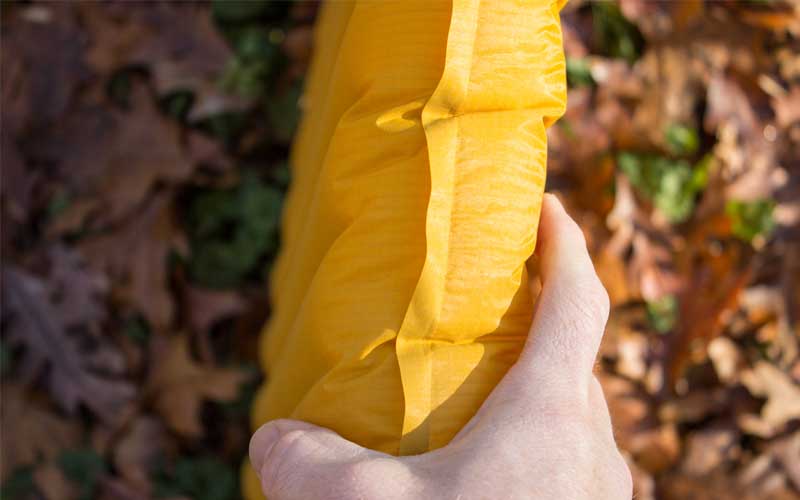
The most important thing to consider is the thickness of the pad. As mentioned above, the weight is concentrated on a narrow base. This makes the shoulder and the hip joint, a pressure point. Usually, pads with a thickness of 3 or more inches are recommended for side sleepers so that they provide adequate protection against the ground.
Durability
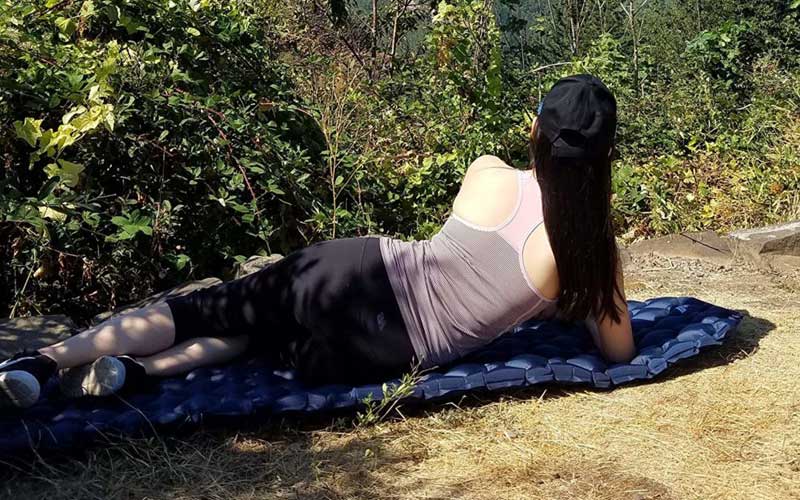
Durability matters a lot. Since your body will be exerting the force on a small surface area, your pad should be able to withstand pointy rocks and twigs on the ground. You wouldn’t want to be using your repair kit now and then. Choose a pad with a strong fabric.
Weight and Packing Size
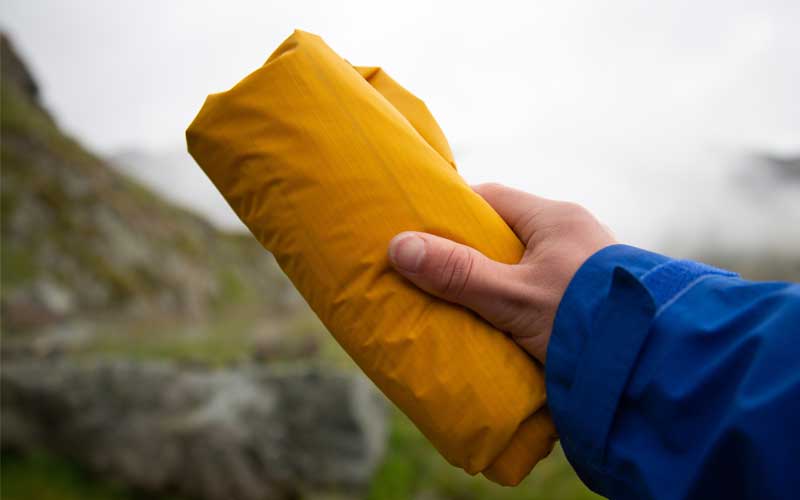
The weight of the pad matters as you wouldn’t want to drag extra weight with you, especially when you are packing ultralight. Similarly, the pad should also be packed small and shouldn’t take up much space in your backpack for efficient space management.
Shape and Size
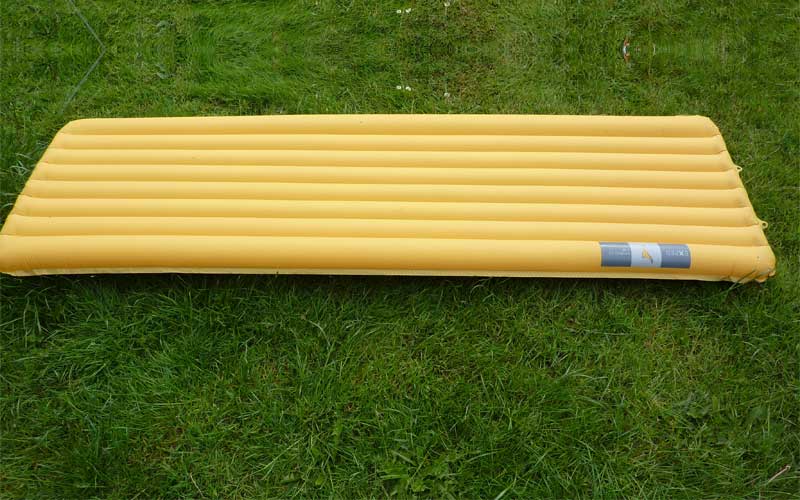
Usually, the width of the pad doesn’t matter for a side sleeper. But the length of the pad matters. Make sure to choose the size that compensates your body completely. If you are an active sleeper and tend to roll around in your sleep, then you should have raised edges to keep you centered.
Warmth and Comfort
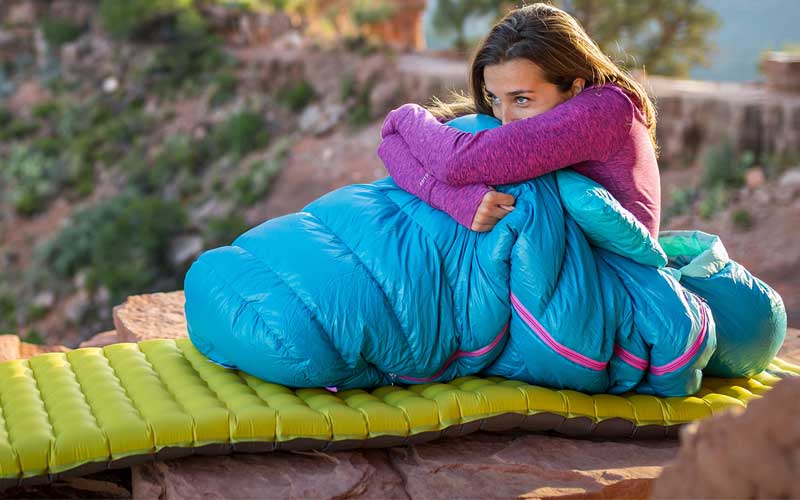
How much insulation your pad should provide depends upon the weather of your outdoor destination. For colder weather, pads with higher R-value should be chosen and vice versa. Your pad should also provide adequate comfort for a good night’s sleep. If you are a light sleeper, then you should keep in mind that your pad shouldn’t make much noise when you move on it.
Conclusion
The right sleeping pad provides the necessary support and comfort to alleviate pressure points and promote proper spine alignment. After exploring various options, it’s clear that the key factors include thickness, material, and design tailored to the unique needs of side sleepers. Whether you prefer memory foam, air pads, or hybrid models, choosing a sleeping pad that caters to your sleeping style can make a significant difference in your overall sleep quality. Sweet dreams begin with the right sleeping pad beneath you. It ensures a cozy and restful night for all those who favor sleeping on their sides.