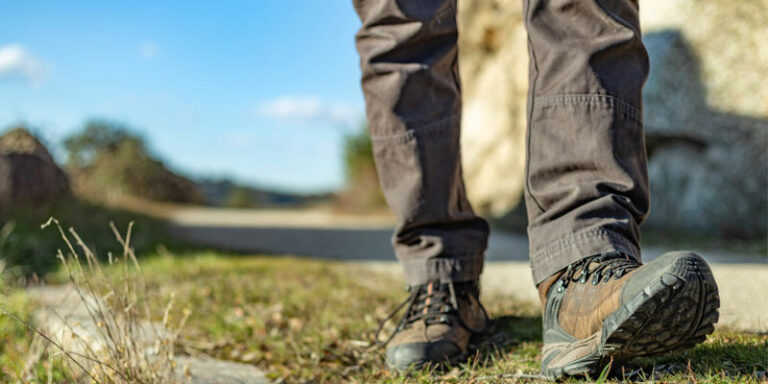
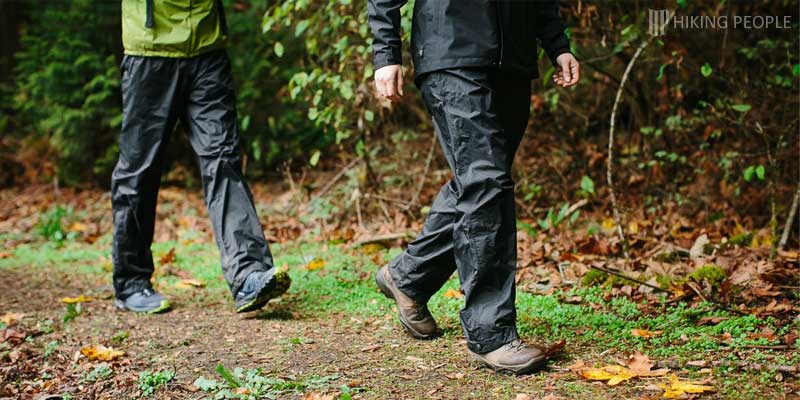
When you’re hiking in the rain or crossing a wet trail, nothing ruins the mood faster than soaked, heavy pants. That’s why a good pair of waterproof hiking pants is a true game-changer. They keep you dry, block the wind, and still let your legs breathe so you don’t overheat. In this guide, we’ve found the best options for comfort, durability, and price—perfect for anyone from casual walkers to serious hikers.
1. REI Co-op Rainier

- Fabric: 100% recycled ripstop nylon (bluesign approved)
- Windproof: Yes
- Waterproofing: 2.5-layer HydroWall membrane
- Weight: 12 ounces
The REI Co-op Rainier rain pants are an excellent choice for unpredictable weather on the trail. Built to withstand sudden downpours, they offer reliable waterproof and windproof protection without trapping your body heat. The breathable design ensures that you remain comfortable during strenuous uphill climbs, making them a dependable companion for hikers facing changing elements.
Constructed with eco-friendly practices in mind, these pants feature sustainable materials that do not compromise on durability. The ripstop nylon face fabric resists tearing against trail debris, while the multiple inseam options provide a tailored fit for different body types. They are highly functional and easy to deploy when dark clouds roll in unexpectedly.
Pros: Durable ripstop fabric, sustainable materials, excellent windproofing.
Cons: A bit heavier than minimalist rain pants.
See the REI Co-op Rainier See the Women’s Rainier
2. TACVASEN Men’s Hiking Pants
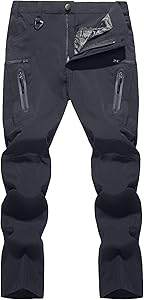
- Pockets: 8 tactical storage pockets
- Fabric Type: Elastic, lightweight, and stretchy
- Moisture Protection: Water-resistant finish
- Closures: Zipper and button with adjustable waistband
TACVASEN Men’s Hiking Pants are designed for outdoor enthusiasts who require maximum utility and flexibility. The lightweight, stretchy fabric enhances mobility, allowing you to navigate steep terrain or rugged workspaces with ease. Thanks to the integrated abrasion resistance, these trousers hold up well against rough surfaces and trail hazards.
Storage is the standout feature here, boasting eight strategically placed pockets that securely hold your essential gear. The water-resistant coating repels light moisture and dirt, ensuring you stay clean and dry during misty mornings. From tactical training to casual weekend camping, these versatile pants adapt seamlessly to various demanding environments.
Pros: Massive storage capacity, flexible knee joint design, highly durable.
Cons: Only water-resistant, not fully waterproof for heavy rain.
See the TACVASEN Men’s Hiking Pants
3. 33,000ft Women’s Rain Pants

- Weight: 195 grams (lightweight)
- Breathability: 5000g/m2/24hr rating
- Portability: Packable with included storage bag
- Leg Closures: Adjustable Velcro bottom cuffs
The 33,000ft Women’s Rain Pants deliver an optimal balance of comfort and weather protection for adventurous travelers. Crafted from soft, odor-free fabrics, they keep Mother Nature’s harsh elements at bay while remaining pleasant against the skin. The reliable breathability rating prevents that swampy feeling often associated with traditional wet-weather gear.
Portability is a major highlight, as these lightweight pants compress easily into their own compact storage bag. The fully elasticated waistband makes them incredibly simple to pull on over base layers when sudden storms arrive. Reflective accents enhance your visibility, ensuring safety during low-light road commutes or dark trail excursions.
Pros: Extremely lightweight, includes storage pouch, reflective safety piping.
Cons: Fabric may feel too loose for high-wind environments.
See the 33,000ft Women’s Rain Pants
4. REI Co-op Trailmade Rain Pants

- Material: 100% polyester (bluesign approved)
- Waterproofing: 2.5-layer breathable fabric
- Weight: 9.5 ounces
- Inseams: Available in 29, 31.5, and 34.5 inches
- Windproof: Yes
The REI Co-op Trailmade Men’s Rain Pants are tailored for hikers who refuses to let gathering rain clouds ruin their outdoor recharge time. Featuring a lightweight 2.5-layer construction, they provide robust waterproof and windproof defenses while maintaining the breathability needed to move freely. They are perfect for quick day hikes or extended backpacking trips.
Engineered with a focus on unrestricted motion, the fabric moves smoothly with your stride rather than restricting your legs. The eco-conscious bluesign-approved polyester offers peace of mind for environmentally aware adventurers. With multiple inseam lengths available, finding the perfect, non-baggy fit for the trail is simple and straightforward.
Pros: Very lightweight, eco-friendly fabric, great freedom of movement.
Cons: Lacks advanced pocket configurations for gear storage.
See the REI Co-op Trailmade See the Women’s Trailmade
5. Patagonia Torrentshell 3L

- Fabric Technology: 3-layer H2No Performance Standard shell
- Material Composition: 50D ECONYL recycled ripstop nylon
- Weight: 11.3 ounces
- Ancillary Features: Side zippers for boot compatibility
When serious storms roll in, the Patagonia Torrentshell 3L rain pants provide premium, heavy-duty protection to keep you completely dry. Utilizing a sophisticated 3-layer H2No Performance Standard shell, these pants excel at blocking torrential downpours while expelling internal moisture. The recycled ripstop nylon face fabric guarantees long-term durability against abrasive wilderness terrain.
A standout design choice is the inclusion of convenient side zippers, allowing you to quickly pull them on over muddy hiking boots. A bio-based polycarbonate PU membrane and DWR finish work together to maintain exceptional water repellency over time. They are an elite tier choice for committed hikers facing relentless wet conditions.
Pros: Premium 3-layer waterproofing, easy boot access, high-quality recycled nylon.
Cons: Higher price point relative to basic rain layers.
See the Patagonia Torrentshell 3L See the Women’s Torrentshell 3L
6. The North Face Antora

- Fabric Technology: DryVent 2-layer waterproof/breathable fabric
- Material: 75-denier recycled ripstop polyester
- Coating: Non-PFC durable water repellent finish
- Fit Profile: Relaxed fit with 32-inch inseam
The North Face Antora rain pants offer a dependable shield for when trail weather takes an unexpected turn for the worse. Utilizing proprietary DryVent 2L technology, these pants ensure you stay dry on the outside while remaining comfortable and sweat-free on the inside. The relaxed fit accommodates underlayers perfectly without binding or restricting movement.
Constructed from heavy-duty 75-denier recycled polyester, the fabric stands up remarkably well to scratches from trailside brush. The eco-conscious, non-PFC DWR coating sheds water efficiently without relying on harmful chemicals. They provide a clean aesthetic and reliable performance that easily transitions from wilderness trails to urban rainstorms.
Pros: Heavy-duty 75D fabric, comfortable relaxed fit, eco-friendly water repellency.
Cons: Inseam options are limited compared to competing models.
See The North Face Antora See the Women’s Antora
7. REI Co-op XeroCloud 3L

- Waterproofing Type: 3-layer HydroWall laminate
- Weight: 9.9 ounces
- Material: Recycled nylon/polyester blend with jersey backer
- Packability: Yes, highly packable
The REI Co-op XeroCloud 3L rain pants deliver top-tier weather protection without adding unnecessary bulk to your backpacking kit. Featuring a high-performance 3-layer HydroWall laminate, they offer exceptional waterproofing alongside a surprisingly soft, comfortable jersey backer. The fabric blend incorporates integrated stretch, allowing for fluid motion on technical terrain.
Weight conscious backpackers will appreciate the sub-10-ounce design that packs down small when the sun emerges. Ankle zippers are integrated to facilitate swift transitions over footwear when weather conditions change rapidly. They strike a rare, perfect balance between rugged 3-layer storm protection, packability, and active comfort.
Pros: Lightweight 3-layer protection, soft internal feel, stretchy and packable.
Cons: Thin material requires care around sharp trail objects.
See the REI Co-op XeroCloud 3L See the Women’s XeroCloud 3L
8. Columbia Rebel Roamer II

- Technology: Omni-Tech multilayered waterproof protection
- Lining: Comfortable internal taffeta lining
- Adjustability: Drawcord waist and adjustable cuffs
- Fit Type: Regular fit for casual range of motion
The Columbia Rebel Roamer II pants are built to tackle prolonged exposure to moderate rain, snow, and damp outdoor environments. Powered by Omni-Tech technology, the outer shell effectively releases excess body heat and vapor while preventing moisture from seeping inward. This ensures you remain dry and comfortable throughout long days outside.
An internal taffeta lining provides a smooth feel against your skin or underlayers, avoiding the sticky sensation common to basic rain gear. The classic regular fit allows for a natural range of motion, making them ideal for casual adventures or messy chores. They are widely accessible thanks to a expansive size range.
Pros: Excellent heat release, comfortable inner lining, wide size availability.
Cons: Better suited for moderate weather than extreme alpine downpours.
See the Columbia Rebel Roamer II
9. baleaf Women’s Hiking Pants

- Sun Protection: Built-in UPF 50+
- Pockets: 4 secure zip-closure pockets
- Inseam Options: Petite (27″) and Tall (31″) versions
- Cuff Closures: Adjustable cord locks around cuffs
Baleaf Women’s Hiking Pants focus heavily on keeping you cool, fresh, and fully protected during sun-drenched outdoor excursions. The lightweight, quick-dry fabric breathes exceptionally well, managing moisture efficiently during warm-weather treks. With built-in UPF 50+ sun protection, your skin stays shielded from harsh UV rays all day long.
Thoughtful trail features include articulated knees for unhindered mobility and adjustable cord locks at the cuffs to keep annoying trail bugs out. Four zippered security pockets keep your electronics and snacks safe on the move. Finding the right length is hassle-free thanks to dedicated petite and tall sizing variations.
Pros: High UV protection, multiple inseams available, protective ankle cord locks.
Cons: Not intended for heavy rainfall or winter conditions.
See the baleaf Women’s Hiking Pants
10. LINLANG Men’s Cargo Pants

- Material: 88% nylon and 12% elastic fiber
- Hardware: YKK closed zipper and metal buckle
- Storage: 6 deep pockets including a waterproof zip pocket
- Sun Protection: UPF 50+ rating
The LINLANG Men’s Cargo Pants offer a rugged blend of elasticity and heavy-duty durability for unpredictable multi-season outdoor adventures. Constructed with a premium nylon and elastic fiber blend, they stretch comfortably without losing their shape or showing wrinkles over time. Premium YKK zippers and metal hardware ensure long-lasting performance.
Six deep, spacious pockets, including a secure waterproof zippered compartment, provide ample room to store essential gear safely during transit. The quick-dry fabric features a water-resistant coating and built-in UPF 50+ sun protection, making them ideal for fishing, backpacking, or field work. They pack down easily into luggage for travel convenience.
Pros: Durable YKK hardware, highly wrinkle-resistant, excellent pocket organization.
Cons: Heavy pocket loads can make the stretchy waistband sag.
See the LINLANG Men’s Cargo Pants
11. CQR Men’s Tactical Pants

- Fabric Blend: 65% Polyester, 35% Cotton
- Fabric Type: Duratex Ripstop fabric
- Waistband: Stretchable elastic side waistband
- Storage: Multi-purpose tactical cargo layout
CQR Men’s Tactical Pants are engineered specifically to meet the rigorous demands of law enforcement, military use, and rugged outdoor exploration. The core Duratex ripstop fabric provides high-grade resistance against tears, stains, and light rain. It is a highly robust option for navigating thick brush or working hands-on in the field.
The specialized tactical layout features multi-purpose cargo pockets designed to distribute tools and gear evenly, keeping your hands completely free. Elastic side panels in the waistband self-adjust to support rapid, dynamic movements comfortably. They remain wrinkle-free and highly breathable even during intensive, long-duration operations.
Pros: Exceptional ripstop durability, stain-resistant coating, secure tactical pocket layout.
Cons: Cotton blend makes them slower to dry than pure synthetics.
See the CQR Men’s Tactical Pants
12. COPYLEAF Women’s Cargo Pants
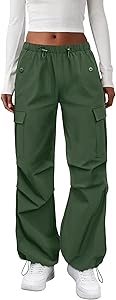
- Functionality: Waterproof and quick-drying fabric
- Storage Capacity: 4 spacious pockets including two cargos
- Adjustability: Customizable waistband and bottom cuffs
- Design Style: Mid-waisted fashion baggy fit
The COPYLEAF Women’s Cargo Pants offer an attractive solution for adventurers who want to transition seamlessly from remote wilderness trails to casual city life. Featuring a waterproof, quick-drying performance fabric, they keep you remarkably comfortable in sweaty or damp environments. The stylish, modern baggy parachute fit pairs easily with casual wardrobe staples.
Four roomy pockets offer convenient hands-free storage for maps, phones, and trail snacks while exploring. Adjustable features at the waist and bottom cuffs allow you to customize the silhouette and fit to match your choice of footwear. They are a versatile, fashion-forward choice for hiking, travel, or commuting.
Pros: Versatile lifestyle-to-trail design, quick-drying properties, highly adjustable cuffs.
Cons: Baggy fit might feel too loose for technical rock climbing.
See the COPYLEAF Women’s Cargo Pants
How to Choose Waterproof Hiking Pants: The Ultimate Guide
When heading out into the backcountry, few things can compromise your safety and comfort as quickly as wet clothing. In variable mountain weather, a sudden downpour can drop temperatures and lead to hypothermia if you are improperly dressed. While most hikers understand the importance of a good rain jacket, legs are often left vulnerable to wet brush, driving rain, and muddy trails. Investing in a high-quality pair of waterproof hiking pants is essential for any serious outdoor enthusiast. However, navigating the technical jargon of the outdoor industry can be overwhelming. This comprehensive guide breaks down everything you need to know to choose the perfect waterproof hiking pants for your adventures.
Understanding Waterproof Ratings and Technology
The first step in choosing the right pants is understanding how waterproof technology works. Not all “waterproof” gear is created equal, and knowing the difference between water-resistant and truly waterproof materials will save you from a miserable day on the trail.
Waterproof vs. Water-Resistant
Water-resistant pants are typically treated with a Durable Water Repellent (DWR) finish on a tightly woven fabric. They can handle light mist or a brief flurry but will eventually saturate under steady rain. True waterproof hiking pants feature a technical membrane or coating that actively blocks water droplets from penetrating the fabric, even under pressure.
Membranes vs. Coatings
Premium waterproof pants utilize a porous membrane (like Gore-Tex, Pertex, or eVent) laminated to the outer fabric. These membranes contain billions of microscopic pores that are too small for liquid water to enter, but large enough for sweat vapor to escape. Cheaper alternatives use a polyurethane (PU) coating applied to the inside of the fabric. While highly waterproof, PU coatings are significantly less breathable and tend to break down faster over time.
Hydrostatic Head Ratings
To measure exactly how waterproof a fabric is, manufacturers use a hydrostatic head test, measured in millimeters (mm). A tube is placed over the fabric and filled with water until it leaks through.
- 5,000mm to 10,000mm: Suitable for light to moderate rain and short exposures.
- 10,000mm to 20,000mm: The sweet spot for heavy downpours and extended backpacking trips.
- 20,000mm and above: Extreme weather protection, ideal for mountaineering and severe storms.
The Crucial Role of Breathability
Being waterproof is only half the battle. If you are hiking uphill with a heavy pack, your body generates an immense amount of heat and sweat. If that moisture cannot escape, you will end up just as wet from your own sweat as you would have from the rain.
Breathability Metrics
Breathability is usually measured in grams (g/m²/24h), indicating how much water vapor can pass through a square meter of fabric in 24 hours. Look for a rating of at least 10,000g for standard hiking, and 20,000g or higher if you tend to hike aggressively or carry heavy loads.
Mechanical Venting
No membrane is perfectly breathable during high-exertion activities. This is why mechanical vents, such as thigh zippers or side zips, are incredibly important. Being able to unzip a flap to let fresh air circulate directly over your legs prevents overheating without sacrificing overall storm protection.
Choosing the Right Construction: 2-Layer, 2.5-Layer, and 3-Layer
Technical rain pants are categorized by how the waterproof membrane is protected and structured within the garment.
2-Layer (2L) Pants
These feature a outer shell fabric bonded to the waterproof membrane, with a loose mesh hanging liner on the inside to protect the membrane from body oils and friction. They are comfortable against the skin but tend to be heavy, bulky, and slow to dry.
2.5-Layer (2.5L) Pants
In this construction, the membrane is bonded to the outer fabric, and a raised “printed” pattern or texture is applied to the inside. These pants are incredibly lightweight, highly packable, and generally more affordable. However, they can feel clammy against bare skin and are less durable over long-term use.
3-Layer (3L) Pants
The gold standard for technical outdoor gear. A 3-layer pant sandwiches the waterproof membrane securely between a rugged outer face fabric and a high-performance inner scrim liner. This construction is highly durable, handles moisture exceptionally well, and feels great against the skin. While they are the most expensive option, they offer the best lifespan and performance in harsh conditions.
Key Features to Look For
Beyond the fabric itself, the design and features of the pants will dictate how functional they are on the trail.
Zipper Configurations
Pay close attention to the side zippers. Ankle-height zippers allow you to taper the cuff but require you to take off your muddy boots to put the pants on. 1/4 or 1/2 length zippers make it easier to slip the pants over low-profile footwear. Full-length side zippers allow you to put the pants on or take them off instantly without removing heavy hiking boots, mountaineering boots, or crampons.
Waistband and Fit
Since waterproof pants are often worn as an outer layer over standard hiking pants or thermal leggings, a flexible fit is necessary. Look for elastic waistbands, integrated belts, or drawcords. Ensure the cut allows for a full range of motion, particularly in the knees and hips, so your movement isn’t restricted when stepping over logs or scrambling up steep rocky inclines.
Pockets and Storage
More pockets mean more potential entry points for water. Many minimalist rain pants forgo pockets entirely to maximize waterproof integrity and save weight. If pockets are important to you, look for options featuring highly water-resistant AquaGuard zippers or protective storm flaps.
Durability and Reinforcements
Hiking environments are harsh. Scrapes against granite, snagging on thorns, or friction from boot scuffing can easily puncture lightweight rain fabrics. High-quality hiking pants often feature reinforced kick panels around the inner ankles and heavier face fabrics on the seat and knees to ensure longevity.
Matching Pants to Your Hiking Style
Your ideal choice depends entirely on where and how you plan to hike.
The Emergency Backpacker
If you primarily hike in fair weather but need insurance against an unexpected storm, prioritize lightweight packability. A 2.5-layer pant that compresses down to the size of an apple and sits at the bottom of your pack is the perfect choice.
The Dedicated Four-Season Hiker
If you actively seek out challenging environments or hike in regions known for persistent rain (like the Pacific Northwest or the Scottish Highlands), durability and sustained protection are your main concerns. Invest in a heavy-duty 3-layer pant with full-length zippers and reinforced high-wear zones.
Care and Maintenance
To ensure your investment lasts for years, proper maintenance is vital. Over time, dirt, sweat, and oils clog the fabric pores and degrade the DWR coating, causing the fabric to “wet out.” Wash your waterproof pants regularly using a technical fabric cleaner (avoid standard household detergents and fabric softeners). Periodically tumble dry the pants on low heat to reactivate the DWR finish, or reapply a spray-on DWR treatment when water stops beading on the surface.
Conclusion
Choosing the right waterproof hiking pants requires a balance between weight, protection, breathability, and durability. By identifying your typical hiking conditions and understanding the underlying fabric technologies, you can confidently select a pair that keeps you dry, warm, and comfortable on the trail, no matter what the weather throws your way.