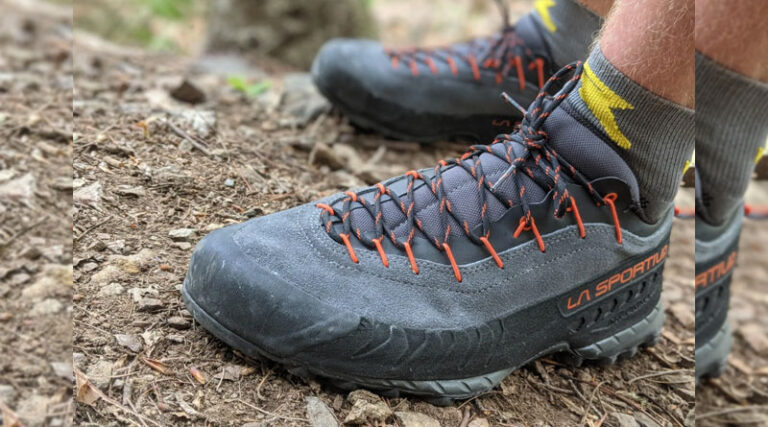
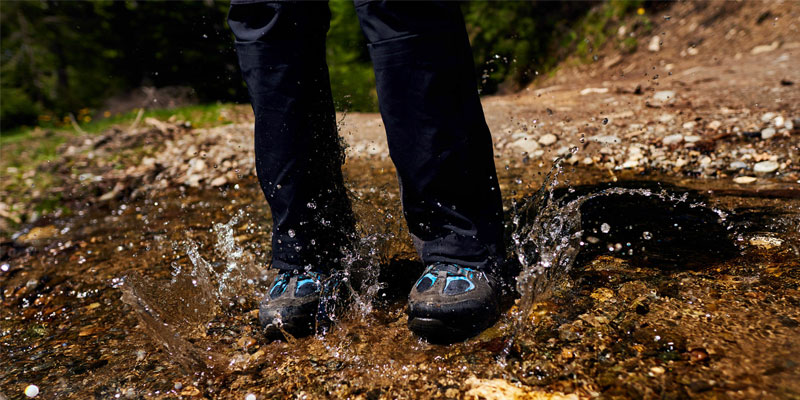
Hitting the trail is way more fun when your feet stay dry. The right pair of waterproof hiking boots can make all the difference, keeping you comfortable on muddy paths and through surprise puddles. But with so many options, how do you choose? We have tested the top models to find the best boots for every adventure. Here are our top picks to keep your feet happy and dry on the trail.
1. Salomon X Ultra 5 Mid

- Waterproofing: GORE-TEX
- Midsole: EnergyCell
- Outsole: All Terrain Contagrip
- Weight: 1 lb. 15 oz.
The Salomon X Ultra 5 Mid is a masterclass in balancing the agility of a trail runner with the stability required for technical hiking. Its EnergyCell midsole provides impressive energy return, making it feel fast and responsive on the ascent. The updated chassis specifically targets joint protection without sacrificing the fluid movement Salomon is known for.
On the trail, the All Terrain Contagrip rubber offers exceptional bite on both wet and loose surfaces. The GORE-TEX lining ensures your feet stay dry during stream crossings while maintaining enough breathability to prevent overheating. It is an ideal choice for hikers who want to move quickly through rugged environments without the bulk of a traditional heavy boot.
Pros: Lightweight feel, excellent traction, superior waterproofing.
Cons: Narrow fit for some, laces can feel thin.
See the Salomon X Ultra 5 See the Women’s X Ultra 5
2. NORTIV 8 Hiking Boots
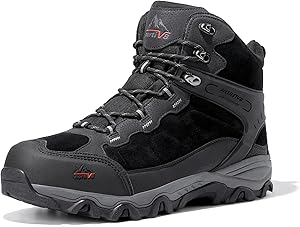
- Outer Material: Suede leather
- Midsole: Shock-absorbent MD
- Outsole: Rugged Multi-Directional Traction
- Safety: Reinforced rubber toe cap
NORTIV 8 offers a versatile and budget-friendly solution for those who transition frequently between indoor activities and outdoor adventures. The suede leather construction provides a classic look while remaining durable against abrasions. With its waterproof membrane, this boot handles mud and shallow water with ease, keeping the interior dry during unpredictable weather.
The shock-absorbent MD midsole is designed for softer landings, which is a welcome feature during long days of trekking or backpacking. The reinforced heel and toe cap provide essential protection against accidental collisions with rocks or roots. It serves as a reliable all-rounder for everything from casual camping trips to more demanding mountaineering and fishing excursions.
Pros: Affordable price, versatile use, protective toe cap.
Cons: Heavier than synthetic options, break-in period required.
See the NORTIV 8 Hiking Boots See the Women’s NORTIV 8 Boots
3. Merrell Moab 3 Mid

- Outsole: Vibram TC5+
- Support: Molded nylon arch shank
- Waterproofing: Merrell DRY membrane
- Upper: Pig suede leather and mesh
The Merrell Moab 3 Mid continues the legacy of the “Mother of All Boots” by delivering out-of-the-box comfort. This version features a Super Rebound Compound in the midsole that absorbs impact efficiently, reducing foot fatigue on long treks. The combination of pig suede and mesh allows for a sturdy build that still breathes remarkably well for a waterproof boot.
Equipped with a Vibram TC5+ outsole, the Moab 3 provides a confident grip on a variety of terrains, from dusty trails to damp rock faces. The internal nylon arch shank offers the structural support needed when carrying a daypack. It remains a top-tier choice for hikers who prioritize a comfortable, wide-fitting footbed and proven durability on established trails.
Pros: Immediate comfort, excellent arch support, durable Vibram sole.
Cons: A bit bulky, Merrell DRY is less breathable than GORE-TEX.
See the Merrell Moab 3 Mid See the Women’s Moab 3 Mid
4. KEEN Targhee IV

- Upper: Nubuck leather
- Waterproofing: KEEN.DRY membrane
- Midsole: Luftcell polyurethane
- Weight: 2 lbs. 8.6 oz.
The KEEN Targhee IV is built for the hiker who needs rugged protection and a spacious toe box. Using high-quality nubuck leather, these boots are designed to withstand significant trail abuse while the KEEN.DRY membrane keeps moisture out. The Luftcell midsole is a standout feature, utilizing micro-bubbles to provide long-lasting cushioning that doesn’t compress over time.
Stability is a core focus of the Targhee IV, featuring a dedicated shank that helps manage uneven terrain. The higher-traction TPU outsole is specifically designed to bite into dirt and gravel, ensuring you stay upright on steep grades. It is a robust, heavy-duty option for backpackers who need a dependable foundation for carrying heavier loads over many miles.
Pros: Wide toe box, durable leather, long-lasting midsole.
Cons: Heaviest on this list, can feel warm in summer.
See the KEEN Targhee IV Mid See the Women’s Targhee IV Mid
5. Columbia Transverse
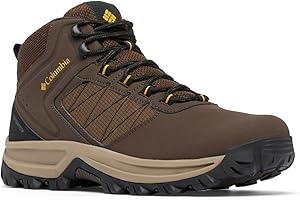
- Waterproofing: Omni-Tech seam-sealed
- Midsole: Techlite high energy return
- Outsole: Omni-Grip non-marking rubber
- Upper: Leather and mesh
The Columbia Transverse is a versatile hiker that blends performance technology with a lightweight, approachable design. The Omni-Tech construction provides a reliable barrier against rain and snow while allowing internal moisture to escape, keeping your feet dry during active use. Its Techlite midsole is engineered for superior cushioning, offering a bouncy feel that helps propel you forward.
Traction is handled by the Omni-Grip system, which uses a multi-terrain tread pattern to ensure stability on everything from loose gravel to slick rocks. The inclusion of metal hardware for the lacing system adds a touch of durability and allows for a very secure fit. It is a fantastic option for day hikers looking for a reliable, technical boot that doesn’t break the bank.
Pros: Lightweight construction, breathable, secure lacing system.
Cons: Lacks ankle stiffness for heavy packs, moderate waterproofing.
See the Columbia Transverse See the Women’s Transverse
6. Columbia Newton Ridge Plus II

- Upper: Full-grain leather and mesh
- Outsole: Omni-Grip dual-zone winter tread
- Midsole: Lightweight Techlite
- Closure: Adjustable lace-up
Columbia’s Newton Ridge Plus II is a classic trail staple known for its combination of style and functional durability. The full-grain leather upper provides a premium feel and natural water resistance, further bolstered by a waterproof bootie construction. Despite its sturdy appearance, the boot remains surprisingly lightweight, making it comfortable for all-day wear on varied terrain.
The Omni-Grip outsole is particularly impressive here, featuring a dual-zone tread that performs exceptionally well on ice and snow, making this a great multi-season choice. The mesh tongue adds a necessary layer of breathability to the leather build, preventing that “stuffy” feeling. It is a stylish, versatile boot that performs just as well on a mountain trail as it does in a snowy urban environment.
Pros: Classic leather look, excellent winter traction, very durable.
Cons: Leather requires maintenance, slightly stiff initially.
See the Columbia Newton Ridge Plus II See the Women’s Newton Ridge Plus
7. La Sportiva Ultra Raptor 3

- Upper: High-tenacity ripstop mesh
- Waterproofing: ePE GORE-TEX Extended Comfort
- Weight: 1 lb. 14.2 oz.
- Sustainability: 85% recycled polyester upper
The La Sportiva Ultra Raptor 3 is a high-performance, vegan-friendly boot designed for fast-paced mountain travel. It features a high-tenacity ripstop mesh that is incredibly durable despite its low weight. The ePE GORE-TEX lining provides top-tier waterproof protection while adhering to modern sustainability standards, making it a conscious choice for eco-minded hikers.
Equipped with a TPU transkinetic EVO heel stabilizer, this boot offers exceptional control on technical descents. The FriXion XF 2.0 outsole is famously sticky, providing confidence-inspiring grip on steep granite and slick roots alike. If you are looking for a nimble, technical hiker that feels like a reinforced trail runner, the Ultra Raptor 3 is a premier contender.
Pros: Extremely lightweight, eco-friendly materials, sticky rubber grip.
Cons: Narrow European fit, less cushioning for heavy loads.
See the La Sportiva Ultra Raptor 3 See the Women’s Ultra Raptor 3
8. Salomon Quest 5

- Waterproofing: GORE-TEX
- Support: 4D Advanced Chassis
- Upper: Nubuck leather and ripstop
- Weight: 2 lbs. 9.3 oz.
The Salomon Quest 5 is the ultimate choice for heavy backpacking and multi-day expeditions. It utilizes the 4D Advanced Chassis to guide the foot and reduce fatigue, providing a level of stability that few other boots can match. The combination of nubuck leather and ripstop fabric creates a fortress for your feet, protecting against sharp rocks and debris.
Inside, the EnergyCell midsole offers long-lasting shock absorption, which is critical when carrying a full pack. The All Terrain Contagrip outsole features deep, aggressive lugs that bite into soft mud and stabilize your stride on loose scree. This boot is designed for those who tackle the toughest trails and need a high-cut design for maximum ankle support and protection.
Pros: Unmatched stability, high-cut ankle support, very rugged.
Cons: Heavy for short day hikes, long break-in period.
See the Salomon Quest 5 See the Women’s Quest 4
9. Asolo Fugitive GTX

- Upper: Split-grain leather and nylon
- Waterproofing: GORE-TEX liner
- Support: Thermoplastic urethane
- Serviceability: Can be resoled
The Asolo Fugitive GTX is a legendary boot known for its stiff, supportive build and long-term durability. The split-grain leather and nylon upper offer a high degree of abrasion resistance, while the GORE-TEX liner ensures total waterproof protection. This boot is built on a very stable platform, making it a favorite for hikers who prefer a traditional, rigid feel underfoot.
A standout feature of the Fugitive GTX is that it can be resoled, significantly extending the life of the boot for dedicated trekkers. The thermoplastic urethane support structure prevents foot torsion on uneven ground, making it ideal for rocky ridges and technical terrain. While it is on the heavier side, the trade-off is a boot that can survive years of intense mountain use.
Pros: Resolable for long life, incredibly stiff and supportive, classic design.
Cons: Heavy weight, very stiff sole may not suit everyone.
See the Asolo Fugitive GTX See the Women’s Acadia GTX
10. Altra Lone Peak Hiker 9

- Weight: 1 lb. 13.7 oz.
- Midsole: Altra EGO foam
- Outsole: MaxTrac rubber
- Upper: Recycled polyester mesh
The Altra Lone Peak Hiker 9 brings the famous “Zero Drop” and wide FootShape toe box to a supportive mid-cut design. This boot is perfect for hikers who want a natural foot position and plenty of room for their toes to splay. The Altra EGO foam midsole provides a soft yet responsive ride, making it feel more like a comfortable sneaker than a stiff boot.
Despite its lightweight and comfortable build, it features a waterproof bootie construction to handle wet trails. The MaxTrac rubber outsole provides a reliable grip across various surfaces without being overly aggressive. It is an excellent choice for long-distance hikers who prioritize foot health and a natural stride, but still want the added ankle coverage of a mid-cut boot.
Pros: Natural foot shape, very lightweight, soft cushioning.
Cons: Zero drop takes time to get used to, less ankle support.
See the Altra Lone Peak Hiker 9 See the Women’s Lone Peak Hiker 9
11. La Sportiva Nucleo High II GTX

- Waterproofing: GORE-TEX SURROUND
- Upper: Nubuck leather
- Outsole: Vibram Nano XS-Trek
- Support: 2.5 mm polypropylene stiffener
The La Sportiva Nucleo High II GTX is a marvel of breathability thanks to the GORE-TEX SURROUND technology, which allows moisture and warmth to escape even through the bottom of the footbed. Wrapped in premium nubuck leather, this boot offers a high-end feel and excellent durability. It strikes a fine balance between being lightweight enough for day hikes and supportive enough for backpacking.
The Vibram Nano outsole ensures you have a firm grip on varied terrain, while the internal polypropylene stiffener provides the necessary rigidity for rocky paths. This boot is also resolable, adding value and longevity to your investment. It is the perfect choice for hikers who frequently trek in wet but warm environments where breathability is just as important as waterproofing.
Pros: Best-in-class breathability, resolable, premium leather build.
Cons: Higher price point, sizing can be tricky.
See the La Sportiva Nucleo High II See the Women’s Nucleo High II
12. Asolo Falcon EVO GV

- Outsole: Vibram Megagrip
- Upper: Suede and high-tenacity nylon
- Waterproofing: GORE-TEX Extended Comfort
- Weight: 2 lbs.
The Asolo Falcon EVO GV is a sleek, modern hiker that emphasizes a streamlined fit and high-performance grip. Utilizing a Vibram Megagrip outsole, this boot offers some of the best traction available on wet, slippery surfaces. The upper is a sophisticated blend of water-resistant suede and high-tenacity nylon, providing a balance of flexibility and abrasion resistance that requires very little break-in time.
Inside, the dual-density molded EVA midsole provides targeted cushioning, while the AsoFlex support structure keeps the foot stable on uneven trails. The Falcon EVO is also resolable, reflecting Asolo’s commitment to quality and longevity. This is an excellent “do-it-all” boot for hikers who want a lightweight, modern design that doesn’t compromise on technical mountain features or grip.
Pros: Incredible Megagrip traction, resolable, lightweight for its class.
Cons: Snug fit may not suit wide feet, suede requires care.
See the Asolo Falcon EVO GV See the Women’s Falcon EVO GV
How to Choose Waterproof Hiking Boots?
When it comes to outdoor adventures, having the right gear can make all the difference. Among the essential equipment for hikers, a good pair of hiking boots stands out as a crucial investment. Whether you’re a seasoned hiker or a novice explorer, choosing the perfect hiking boots requires careful consideration. In this guide, we’ll walk you through the key factors to keep in mind when selecting the ideal pair to ensure comfort, durability, and performance on the trails.
Understanding Your Needs
The first step in choosing the right hiking boots is to assess your specific needs and the type of terrain you’ll be tackling. Different hikes demand different features in boots, so consider factors such as the duration of your hikes, the type of terrain (rocky, muddy, flat, or steep), and the climate conditions you’re likely to encounter.
Boot Types
Hiking boots come in various styles, each designed for specific purposes. The three main types are hiking shoes, hiking boots, and backpacking boots. Hiking shoes are lightweight and ideal for day hikes on well-maintained trails. Hiking boots offer more ankle support, making them suitable for rougher terrains and longer hikes. Backpacking boots, the most robust option, are designed for carrying heavy loads over extended periods, making them suitable for multi-day treks.
Fit Matters
One of the most crucial aspects of choosing hiking boots is ensuring a proper fit. Ill-fitting boots can lead to discomfort, blisters, and even injury. When trying on boots, pay attention to the fit around your heel, the width of the toe box, and the overall snugness. Your heel should stay in place without lifting, and there should be enough room in the toe box to prevent squishing. Remember that your feet may swell during a hike, so it’s advisable to try on boots in the afternoon when your feet are at their largest.
Materials and Construction
The materials used in hiking boots greatly influence their durability, weight, and performance. Leather, synthetic materials, or a combination of both are common choices. Full-grain leather provides excellent durability and water resistance but can be heavier. Split-grain leather is lighter but less durable. Synthetic materials, like nylon and polyester, are lightweight and often more breathable but may sacrifice some durability. Additionally, consider the boot’s construction—whether it’s cemented, stitched, or a combination of both—affecting overall durability and repairability.
Waterproofing
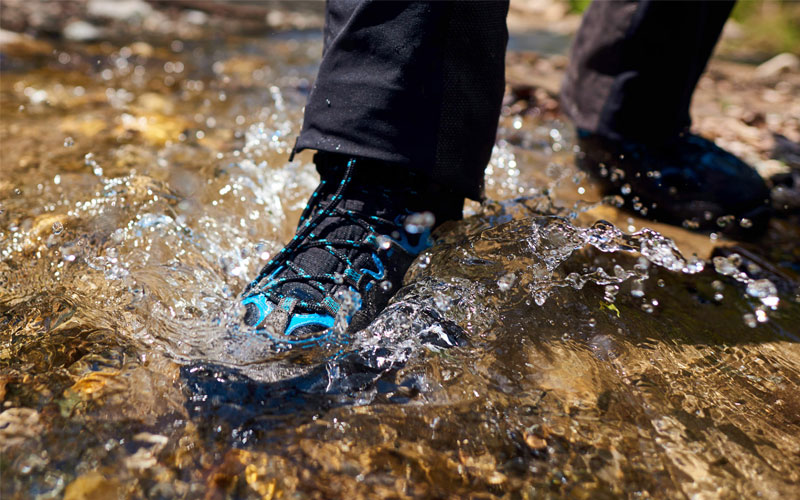
Weather conditions can be unpredictable during a hike, so having waterproof boots can be a game-changer. Many hiking boots come with waterproof membranes like Gore-Tex, which keeps water out while allowing moisture to escape. Keep in mind that waterproof boots may be warmer, so consider the climate and your personal preference. If you frequently hike in wet conditions, waterproofing is a feature worth investing in.
Sole and Traction
The sole of your hiking boots plays a vital role in providing stability, support, and traction on various terrains. Look for boots with a durable and supportive midsole, commonly made of EVA (ethylene-vinyl acetate) or polyurethane. The outsole, typically made of rubber, should feature a lug pattern that suits the type of terrain you’ll be navigating. Deeper lugs are ideal for muddy trails, while a more moderate lug pattern works well for general hiking.
Ankle Support
The level of ankle support you need depends on the type of hiking you plan to do. Low-cut shoes provide minimal ankle support and are suitable for well-maintained trails. Mid-cut boots offer a bit more support and are a good compromise for various terrains. High-cut or backpacking boots provide maximum ankle support and are recommended for challenging terrains, heavy loads, and extended trips. Consider your personal preference and the demands of your hikes when choosing the height of your boots.
Weight
The weight of your hiking boots directly impacts your comfort and energy expenditure on the trail. Lighter boots are generally more comfortable and suitable for shorter hikes, while heavier boots provide additional support for challenging terrain and longer excursions. Strike a balance between the weight of the boots and the demands of your hiking activities to ensure an enjoyable and fatigue-free experience.
Break-In Period
New hiking boots often require a break-in period to mold to the shape of your feet and prevent blisters. Plan ahead and allow time for this process before embarking on a long hike. Wear your boots around the house or during short walks to gradually break them in. Understanding the break-in period is crucial to avoid discomfort on the trail and ensure your boots are ready for extended use.
Brand Reputation and Reviews
When choosing hiking boots, it’s wise to consider the reputation of the brand and read reviews from other hikers. Established brands with a history of producing quality footwear are more likely to provide reliable products. Additionally, user reviews can offer valuable insights into the real-world performance of specific boot models, helping you make an informed decision.